NVIDIA GeForce RTX 3060 Ti tails Radeon RX 6800
Geekbench has updated its official OpenCL benchmark charts, which usually happens around the same time a new graphics card is announced. The OpenCL chart has been updated with the GeForce RTX 3060 Ti, the upcoming Ampere GA104 model from NVIDIA.
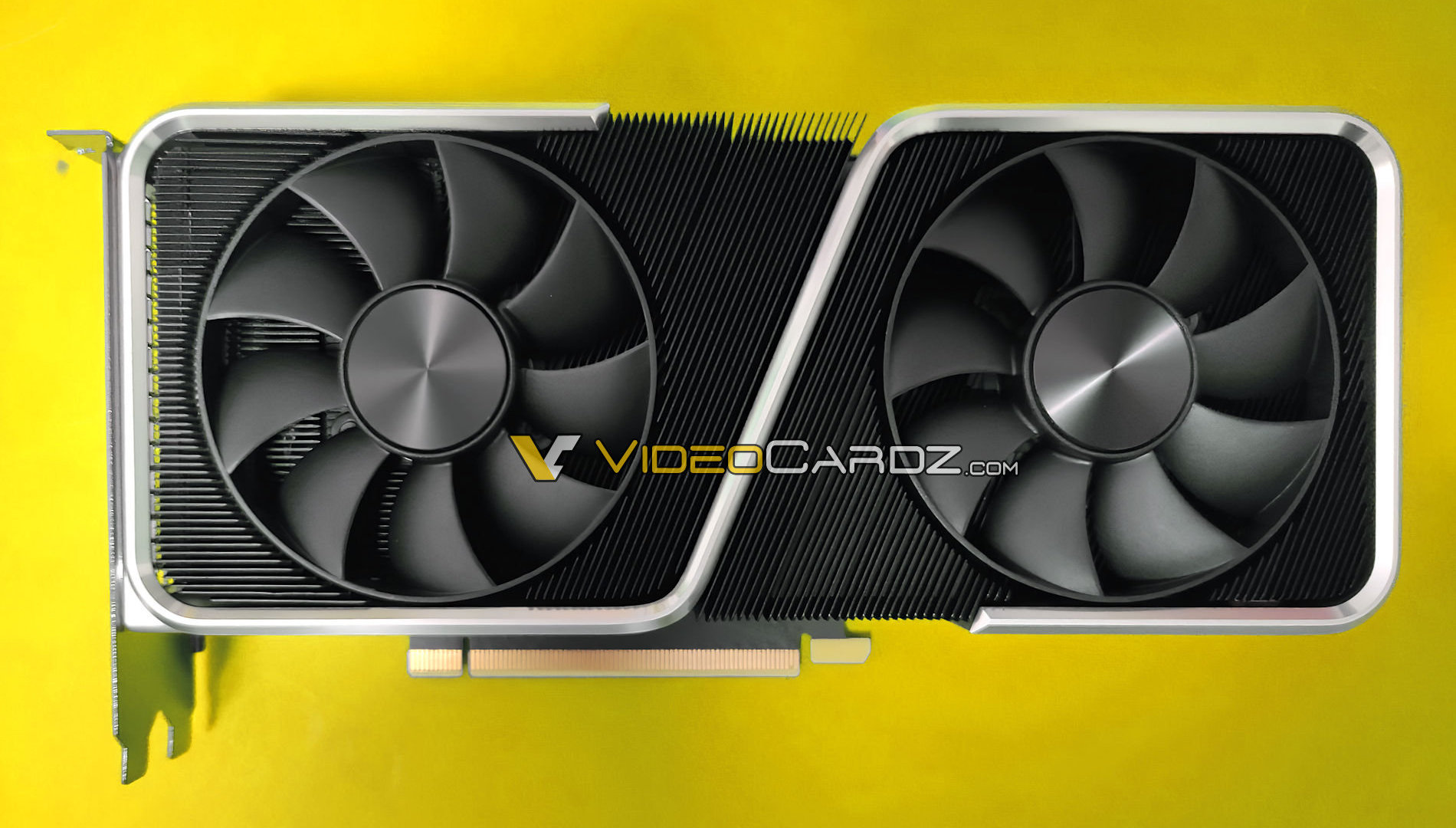

NVIDIA GeForce RTX 3060 Ti Founders Edition, Source: VideoCardz
NVIDIA officially claims that the RX 3060 Ti will be faster than GeForce RTX 2080 SUPER and that so far has been reflected in other leaked benchmarks, such as 3DMark TimeSpy and Firestrike .
The Geekbench team has not yet updated its CUDA and Vulkan charts, so we only have the OpenCL chart for comparison. According to the data, the Radeon RX 6800 featuring Navi 21 XL GPU with 60 Compute Units is 0.6% faster than RTX 3060 Ti. This value is within the margin of error and it is likely to change as soon as more reviewers and customers get hands on the new graphics card.
We have already shared the benchmark results from Geekbench for this particular SKU last week. The score was slightly different, but unlike the new info from Geekbench, it was only based on a single run. The new chart, on the other hand, is always generated for at least 5 independent runs.
NVIDIA GeForce RTX 3060 Ti Founders Edition reviews will go live tomorrow with custom model reviews following a day later. The graphics card will officially launch on the same day (December 2nd) at the price of 399 USD. That said, it is probably a good idea to wait for independent reviews featuring games before making final judgments.
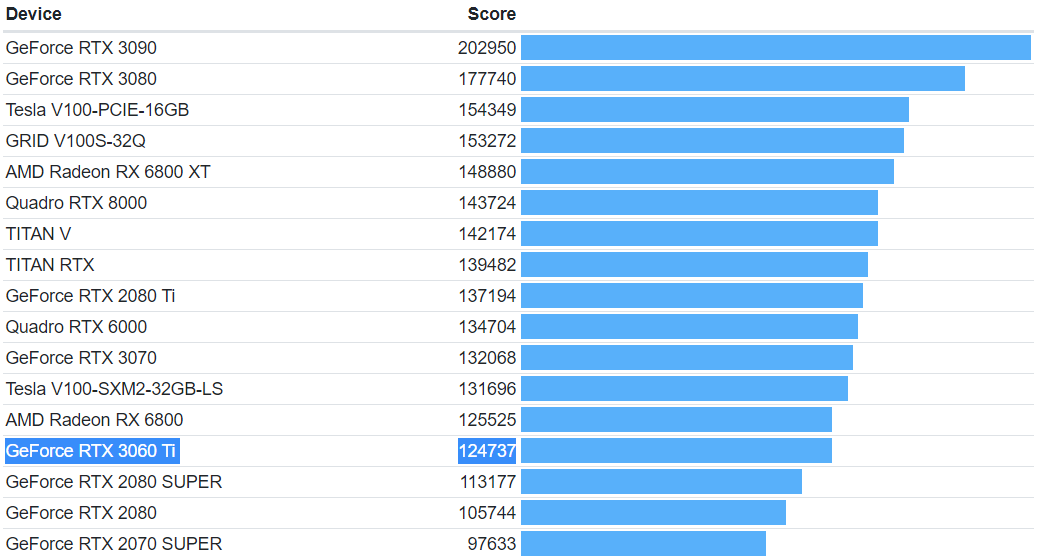
NVIDIA GeForce RTX 3060 Ti, Source: Geekbench
| NVIDIA GeForce RTX 30 Series | |||||
|---|---|---|---|---|---|
| VideoCardz.com | RTX 3090 | RTX 3080 | RTX 3070 | RTX 3060 Ti | RTX 2080 SUPER |
| Picture |  |  | 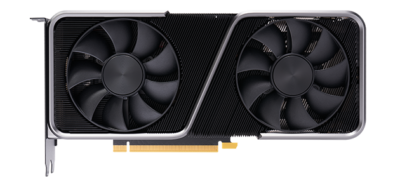 | | 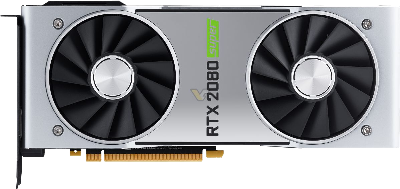 |
| Reference Board | PG132 SKU 30 | PG132 SKU 10 | PG142 SKU 10 | PG190 SKU 10 | PG180 SKU 40 |
| GPU | 8nm GA102-300 | 8nm GA102-200 | 8nm GA104-300 | 8nm GA104-200 | 12nm TU104-450 |
| Die Size | 628 mm 2 | 628 mm 2 | 392 mm 2 | 392 mm 2 | 545 mm2 |
| Transistors | 28.3 B | 28.3 B | 17.4 B | 17.4 B | 13.6 B |
| CUDA Cores | 10496 | 8704 | 5888 | 4864 | 3072 |
| Tensor Cores | 328 | 272 | 184 | 152 | 384 |
| RT Cores | 82 | 68 | 46 | 38 | 48 |
| Base Clock | 1395 MHz | 1440 MHz | 1500 MHz | 1410 MHz | 1650 MHz |
| Boost Clock | 1695 MHz | 1710 MHz | 1725 MHz | 1665 MHz | 1815 MHz |
| Shader Perf. | 35.6 TFLOPS | 29.8 TFLOPS | 20.3 TFLOPS | 16.2 TFLOPS | 11.2 TFLOPS |
| Memory | 24 GB G6X | 10 GB G6X | 8 GB G6 | 8 GB G6 | 8 GB G6 |
| Memory Clock | 19.5 Gbps | 19 Gbps | 14 Gbps | 14 Gbps | 15.5 Gbps |
| Memory Bus | 384-bit | 320-bit | 256-bit | 256-bit | 256-bit |
| Max Bandwidth | 936 GB/s | 760 GB/s | 448 GB/s | 448 GB/s | 497 GB/s |
| Thermal Design | 350W | 320W | 220W | ~180-200W | 250W |
| MSRP | $1,499 | $699 | $499 | < $399 | < $699 |
| Release Date | Sep 24th, 2020 | Sep 17th, 2020 | Oct 29th, 2020 | Dec 2nd, 2020 | Jul 23th, 2019 |
Source: Geekbench OpenCL Chart