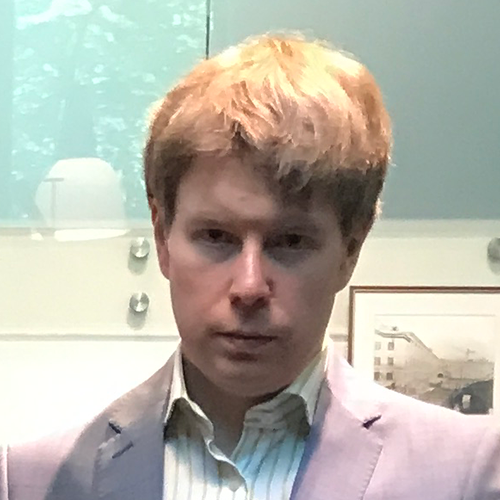
Sam Altman, chief executive officer of OpenAI, is reportedly raising funds to build semiconductor production facilities to make processors for artificial intelligence (AI) applications, reports Bloomberg . He believes that AI technologies will become pervasive enough to afford their own semiconductor supply chain in the years to come. Meanwhile, a venture like this would naturally compete against players like Intel, TSMC, and Samsung Foundry.
OpenAI, which currently uses Nvidia's A100 and H100 GPUs for its popular Chat GPT service, has been exploring ways to develop its own AI processors for a while now, according to a report published back in October . Designing its own AI silicon would be in line with trends set by Amazon Web Services, Google , Microsoft , and many other hyperscalers, who prefer to build their own processors in addition to buying off-the-shelf products.
But apparently, Sam Altman wants to do something different: he wants to build a 'network of AI chip factories,' as Bloomberg puts it. The venture, involving discussions with potential investors like Abu Dhabi-based G42 and SoftBank Group, aims to address the ongoing and anticipated AI-related chip supply shortage. Apparently, Altman believes that established foundries like TSMC, Samsung Foundry, and Intel Foundry Services will be unable to meet demand for AI-oriented chips in the coming years.
The financial and operational scale of this project is substantial, to say the least. The discussions with G42 alone were centered on raising between $8 billion to $10 billion, according to the report. The project's full scope and list of partners are still in the early stages of development, indicating the massive investment and time required to establish a network of such facilities. The report does not detail whether Altman's plan is to buy an established foundry and make it produce AI chips, or build an all-new network of fabs catering needs of OpenAI and potentially its partners.
A 2nm or 3nm-class process technology costs billions of dollars to develop and the costs are going to rise as fabrication nodes get thinner. Meanwhile, a modern fab capable of making chips on a 3nm or 2nm-class node in large volumes can cost $30 billion today and costs of fabs are rising quickly now that a single Low-NA EUV lithography tool costs around $200 million and a High-NA litho machine is expected to cost from $300 million to $400 million. One is going to need multiple Low-NA and High-NA machines in a leading-edge fab in the coming years to make leading-edge chips for AI and HPC applications.
Whether or not Altman can raise tens or hundreds of billions on fabs and then maintain them and ensure that they produce chips on the leading-edge nodes is something that only time will tell. Yet, without any doubts, his effort could be disruptive for the foundry market.