NVIDIA GeForce GTX 750 series a decade later
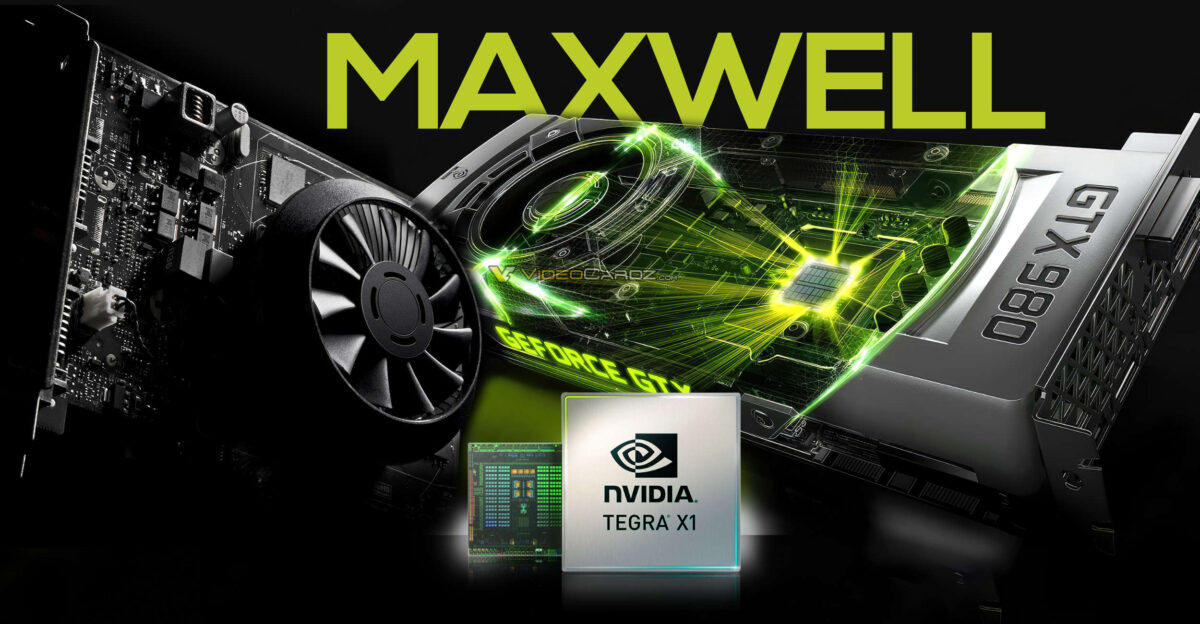
Exactly 10 years ago, NVIDIA released the first Maxwell desktop GPUs.
GeForce GTX 750 Series
While most gamers might remember Maxwell from GeForce GTX 900 series, the first cards actually appeared as a few months earlier. The NVIDIA Maxwell architecture debuted on February 18, 2014, with the GeForce GTX 750 series. These graphics cards were equipped with GM107 GPU based on 28nm process node.
The GTX 750 series were budget-oriented models with a price set to $119-$149. The first Maxwell desktop cards came equipped with 512 or 640 CUDA cores and only 1GB of 2GB memory capacity. Technically, they did not require power connectors either, as TDP was set to 55W-60W.


NVIDIA GeForce GTX 750 Series, Source: NVIDIA
The GTX 750 series are considered the first generation Maxwell, while the remaining second-gen models were part of a different series altogether. NVIDIA made an interesting decision to skip the GeForce GTX 800 series and launched GTX 900 models in September.
GeForce GTX 970 4GB controversy
When discussing Maxwell, one must also mention the GTX 970 controversy. As advertised, the card was equipped with 4GB of memory, but as it was later discovered, only 3.5GB of that memory was fully usable at full speed. The remaining 0.5GB was running at much slower speed due to the design of the Maxwell GM204 GPU.
The controversy ended with a class-action lawsuit against NVIDIA alleging false advertising. NVIDIA has settled the lawsuit, and each owner of GTX 970 could receive a $30 rebate or even 20% refund through select retailers.


NVIDIA GeForce GTX 970, Source: NVIDIA
GeForce GTX TITAN X and 980 Ti
The highest-end desktop GPUs during the era of Maxwell boasted the GM200 GPU, featuring an impressive 3072 CUDA cores. One such card was the GeForce GTX TITAN X, hitting the market at a price tag of $999. Little did gamers know at that time that a similar cost would later be associated with an X800-class GPU a decade later.
The TITAN X was equipped with 12GB of GDDR5 memory, while its cut-down counterpart, the GTX 980 Ti, featured 2816 CUDA cores and 6GB of memory. These graphics cards made their debut in 2015.


NVIDIA GeForce GTX TITAN X and GTX 980 Ti, Source: NVIDIA
| NVIDIA GeForce Maxwell GPUs | ||||
|---|---|---|---|---|
| VideoCardz.com | GPU | Cores | Memory | Release Date |
| GeForce GTX TITAN X | GM200-400 | 3072 | 12GB GDDR5 | March 17, 2015 |
| GeForce GTX 980 Ti | GM200-310 | 2816 | 6GB GDDR5 | June 1, 2015 |
| GeForce GTX 980 | GM204-400 | 2048 | 4GB GDDR5 | September 19, 2014 |
| GeForce GTX 970 | GM204-200 | 1664 | 4GB GDDR5 | September 19, 2014 |
| GeForce GTX 960 | GM206-300 | 1024 | 2GB GDDR5 | January 22, 2015 |
| GeForce GTX 950 | GM206-250 | 768 | 2GB GDDR5 | August 20, 2015 |
| 1st Gen Maxwell | ||||
| GeForce GTX 750 Ti | GM107-400 | 640 | 2GB GDDR5 | February 18, 2014 |
| GeForce GTX 750 | GM107-300 | 512 | 1GB GDDR5 | February 18, 2014 |
Nintendo Switch
Interestingly, the Maxwell architecture has not only made its mark in PC graphics but has also found a home in the Nintendo Switch console, powered by the Tegra SoC. Since its release in 2017, the handheld system has been running on the Tegra X1 with Maxwell GPU, boasting 256 CUDA cores. The handheld was later updated to Tegra X1+ version featuring smaller node.
Despite using a three-year-old architecture at its launch, the console has proven to be a commercial success. The combined sales of the initial models and the updated versions featuring OLED screens, both still equipped with the Tegra X1(+) SoC, have surpassed 139 million units shipped, making it the most popular Maxwell-based product to date.
There are now expectations for Nintendo to unveil a new Switch version in early 2025 , potentially featuring the NVIDIA Ampere architecture.


Nintendo Switch & Tegra X1, Source: Nintendo & NVIDIA
NVIDIA Maxwell architecture was succeeded by Pascal (GeForce GTX 10 series) in 2016. Pascal was the first architecture to face a new challenge, the rising popularity of cryptomining.