GeForce GTX 1080 Ti: the last premium Ti at a reasonable price
NVIDIA GeForce GTX 1080 Ti marks its 7th anniversary.
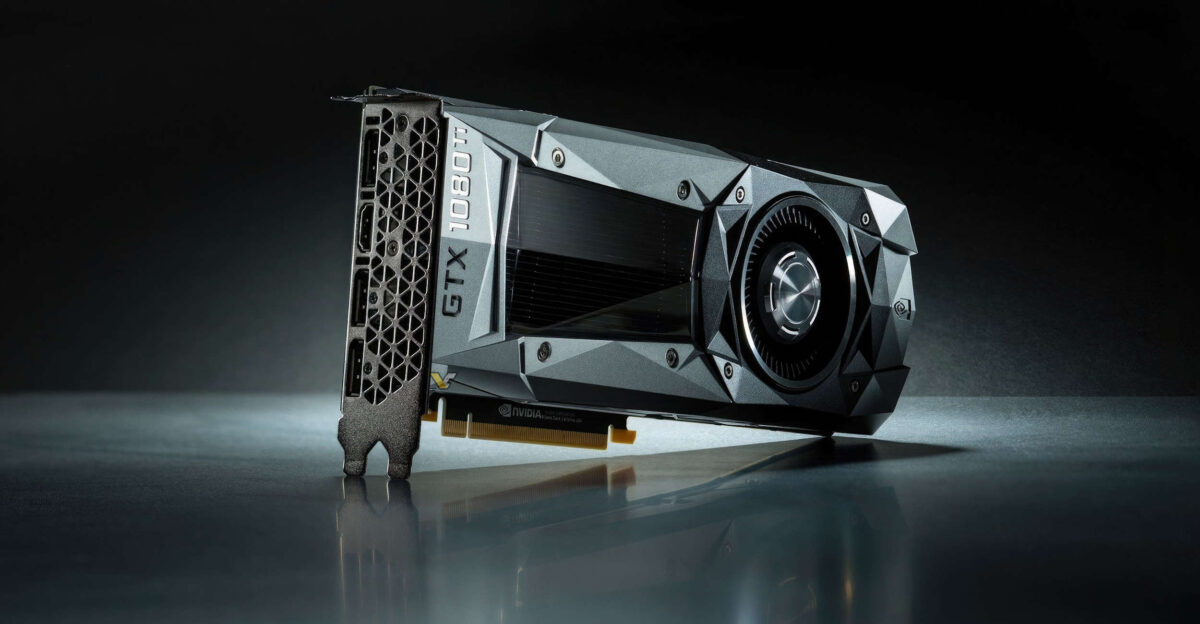
Back on March 10, 2017, NVIDIA officially introduced the GTX 1080 Ti, marking the final release of a high-end GTX GPU before making way for the RTX 2080 Ti the following year. Priced at $699, the GTX 1080 Ti was the last xx80 Ti/SUPER class card within this price range.
Powered by the Pascal GPU architecture, the GTX 1080 Ti still supports DirectX 12 API, albeit not at the highest Ultimate tier. This limitation excluded certain modern features like Mesh Shading, initially required for newer games like Alan Wake II. However, the game was eventually optimized for this architecture as well, and even today, the GTX 1080 Ti maintains a decent level of performance.
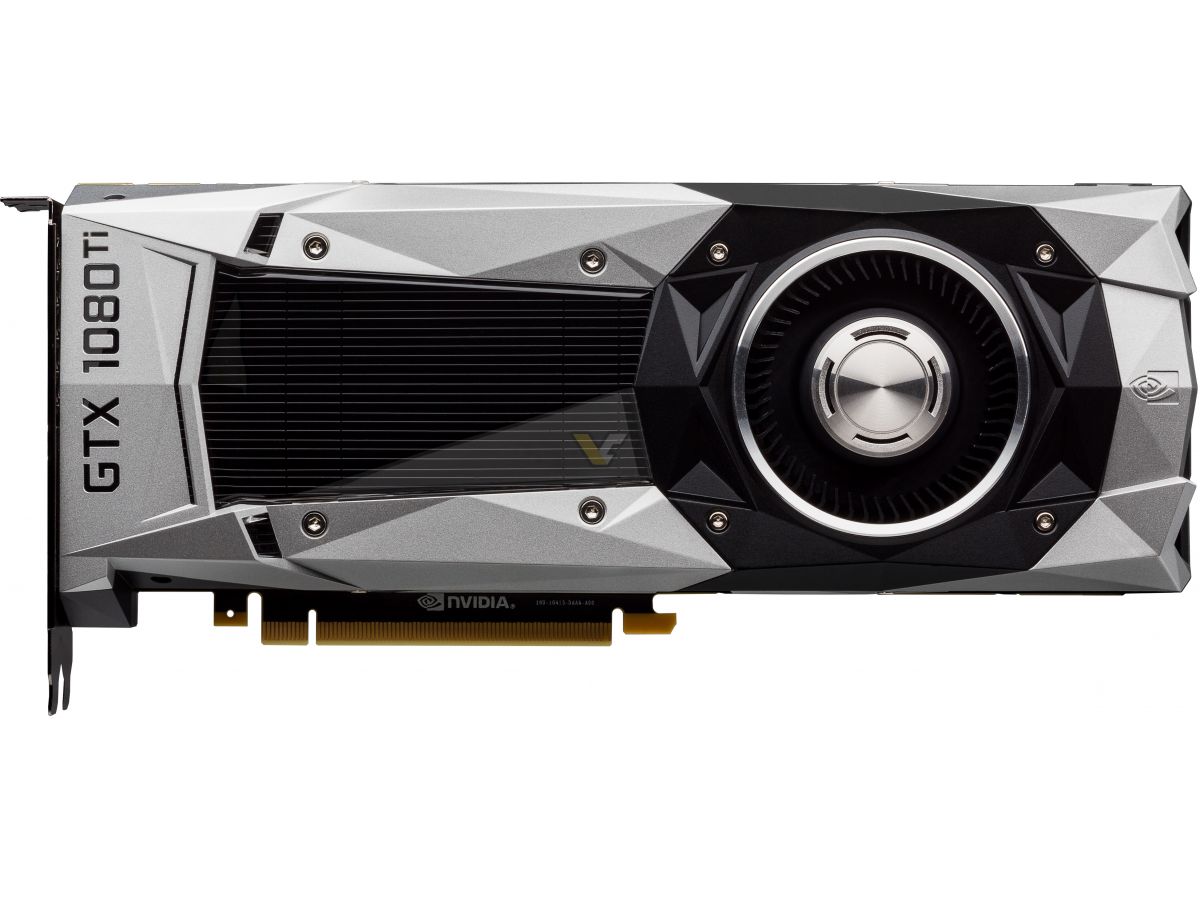


GTX 1080 Ti Founders Edition, Source: NVIDIA
Launched as an upgrade to the GTX 1080 from May 2016, the GTX 1080 Ti boasted a more capable GP102 GPU, equipped with 3584 CUDA cores. These specifications closely mirrored those of the TITAN X (Pascal) released in 2016. Both cards shared the core count but with the TITAN X came equipped with a 384-bit memory bus and 12GB GDDR5X memory. In contrast, the GTX 1080 Ti opted for a slightly reduced 352-bit memory bus, accommodating an unusual 11GB capacity.
The GTX 1080 Ti also marked the last time NVIDIA used a blower-style reference cooler design for its high-end GPU. NVIDIA has subsequently moved to traditional open-air dual-fan design and with RTX 30/40 series to push-pull design.
The RTX 30 series from NVIDIA brought back the XX90 class GPUs, stepping away from the earlier dual-GPU configurations. Instead, these GPUs feature the highest option available in the series. If we were to view these as successors to the ‘1080 Ti,’ the pricing became an even greater concern, with the 3090 Ti soaring to a $2,000 price tag at launch.
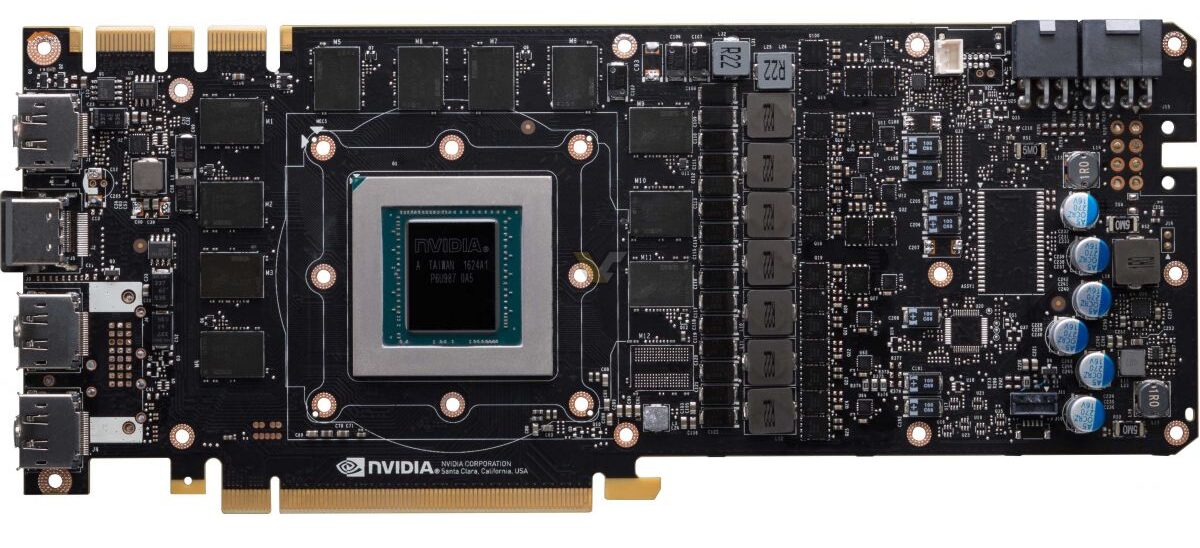
GTX 1080 Ti PCB with GP102 GPU, Source: NVIDIA
| NVIDIA Top XX80 class GPUs | ||||
|---|---|---|---|---|
| VideoCardz.com | GTX 1080 Ti | RTX 2080 Ti | RTX 3080 Ti | RTX 4080 SUPER |
| Founders Edition Picture |  |  |  |  |
| Release Date | March 2017 | September 2018 | June 2021 | January 2024 |
| GPU | 16nm GP102-350 | 12nm TU102-300 | 8nm GA102-225 | 4nm AD103-400 |
| CUDA Cores | 3584 | 4352 | 10240 | 10240 |
| Memory | 11GB GDDR5X | 11GB GDDR6 | 12GB GDDR6X | 16GB GDDR6X |
| Memory Bus | 352-bit | 352-bit | 384-bit | 256-bit |
| Power | 250W | 250W | 350W | 320W |
| MSRP | $699 | $1,199 (FE), $999 (AIB) | $1,199 | $999 |
For now, it seems NVIDIA remains committed to supporting its GTX 10 series through the main graphics driver branch, and there are no indications of a shift in this stance. The company has ceased support for the Kepler architecture, which was utilized in the GTX 600/700 series. However, NVIDIA continues to offer support for Maxwell (GTX 700/900), the predecessor to Pascal.