Legion Go 2 confirmed
Clifford Chong from Lenovo confirms there will be a next-gen handheld.

The Lenovo Innovate 2024 conference in Bangkok, Thailand, primarily focused on the laptop market. However, attendees were also given the opportunity to discuss what’s next for the Lenovo Legion series and other market segments. Among the topics discussed were questions about the potential for an updated Legion Go handheld.
The Legion Go is a premium handheld device featuring detachable controllers and a larger 8.8-inch screen with a high 2.5K resolution. It was released months after the ROG Ally and has established itself in the market among gamers who desire larger screens, extended battery life, and more versatility in how they use their gaming device. The Legion Go has achieved what the MSI Claw could not, given its nearly identical physical specifications to the ROG Ally but with inferior GPU performance.
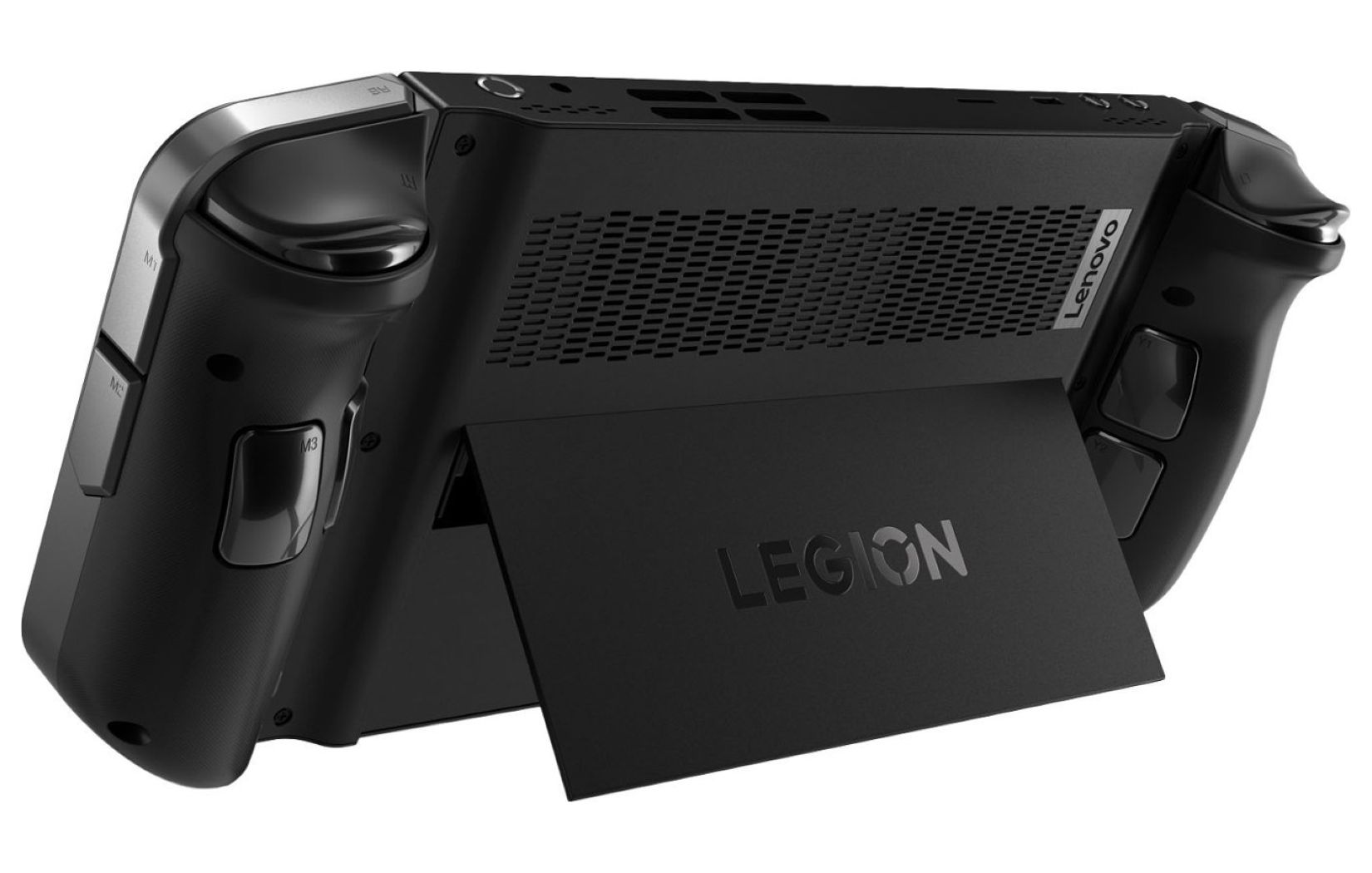

Legion Go (First Generation), Source: Lenovo
Naturally, gamers are curious about whether and when Lenovo plans to release a successor to their Go handheld. For the first time, the company has confirmed that a successor is indeed in the works. Clifford Chong, the APAC Gaming Category Manager at Lenovo, confirmed that the Legion Go 2 is planned.
We are still spending a lot of resources improving on the current Legion Go over the span of the last 6 months since launch. We have unlocked from day one till now a lot more experiences and there are still engineering efforts to try to bring the next wave of features to the product. Definately it’s a product category that we do see potential in and we continue to invest and we are looking towards when the time comes right of course having the next generation to provide even more features.
— Clifford Chong
Clifford’s response didn’t delve into the specifics of the product’s specifications or its release timing. However, it’s worth noting that Lenovo’s decision on when to release the product might not solely be within their control. ASUS has already confirmed that they are working on the ROG Ally 2, which is likely to feature the Strix Point APU with Zen5/RDNA3.5 architectures from AMD.
If Lenovo doesn’t introduce a successor to the Legion Go, they risk falling behind and losing their premium status in the market. It’s essential for them to remain competitive and keep pace with advancements in technology and features offered by other manufacturers.
| Handheld Gaming Consoles Specs | |||||
|---|---|---|---|---|---|
| VideoCardz | Lenovo Legion Go 2 | Lenovo Legion Go | MSI Claw | ASUS ROG Ally | Valve Steam Deck OLED |
| Picture |  |  | 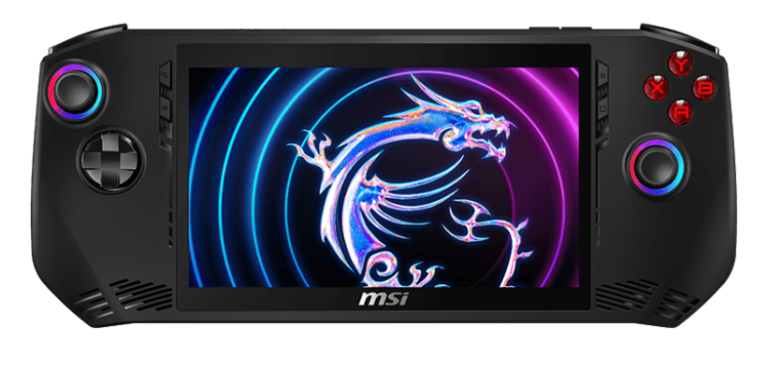 | 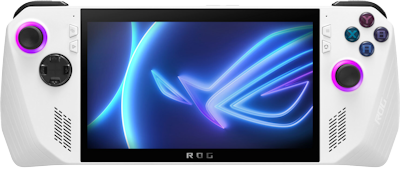 | 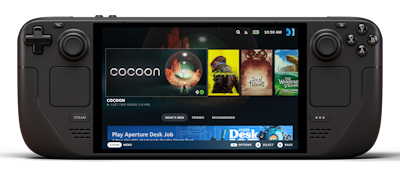 |
| Architecture | AMD Zen5 & RDNA3.5 | AMD Zen4 & RDNA3 | Intel Redwood Cove, Crestmont & Xe-LPG | AMD Zen4 & RDNA3 | AMD Zen2 & RDNA2 |
| APU | Ryzen Z2 Series (?) or Ryzen 9000 | Ryzen Z1 Extreme 8C/16T up to 5.1 GHz or Ryzen Z1 6C/12T up to 4.9 GHz | Core 7 Ultra 155H 16C/22T up to 4.8 GHz or Core 5 Ultra 135H 14C/18T up to 4.6 GHz | Ryzen Z1 Extreme 8C/16T up to 5.1 GHz or Ryzen Z1 6C/12T up to 4.9 GHz | AMD Sephiroth (6nm) 4C/8T up to 3.5 GHz |
| SoC GPU | AMD iGPU 16 CU | AMD iGPU 12CU @ 2.7 GHz [Z1E] 4CU @ 2.5 GHz [Z1] | Arc Graphics 8 Xe-C @ 2.25 GHz [155H] 7 Xe-C @ 2.20 GHz [135H] | AMD iGPU 12CU @ 2.7 GHz [Z1E] 4CU @ 2.5 GHz [Z1] | AMD iGPU 8CU @ 1.6 GHz |
| SoC TDP | TBC | 9-30W | 28W | 1-30W | 4-15W |
| External GPU | TBC | USB4 | Thunderbolt 4 | ROG XG Mobile (up to RTX 4090) | Not officially |
| Memory Capacity | TBC | 16GB LPDDR5X-7500 | 16GB LPDDR5-6400 | 16GB LPDDR5-6400 | 16GB LPDDR5-6400 |
| Storage Capacity | TBC | 1TB/512GB | 1TB/512GB | 512GB | 512GB/1TB SSD |
| Storage Type | TBC | M.2 NVMe 2242 SSD PCIe 4×4 | M.2 NVMe 2230 SSD PCIe 4×4 | M.2 NVMe 2230 SSD PCIe 4×4 | M.2 NVMe 2230 SSD PCIe 3×4 |
| Display | TBC | 8.8″ 2560×1600 IPS, 144Hz, 500 nits | 7″ 1920×1080, 120Hz, 500 nits, VRR | 7″ 1920×1080, 120Hz, 500 nits, 7ms, VRR | 7.4″ 1200×800, 90 Hz |
| Connectivity | TBC | Wi-Fi 6E, BT 5.2 | Wi-Fi 7 + Bluetooth 5.4 | Wi-Fi 6E, BT 5.2 | Wi-Fi 6E, BT 5.3 |
| Battery | TBC | 49.2 Wh, 900 mAh (controllers) | 53 Wh, 6-Cell | 40 Wh, 4S1P, 4-cell Li-ion | 50 Wh |
| Weight | TBC | 854g / 1.87 lbs | 675 g | 608g / 1.34 lbs | 640 g / 1.41 lbs |
| Dimensions (L×W×H) | TBC | 29.9 × 13.1 × 4.1 cm 11.8 × 5.2 × 1.6 in | 29.4 × 11.7 × 2.1 cm 11.6 × 4.6 × 0.8 in | 28.0 × 11.3 × 3.9 cm 11.0 × 4.5 × 1.5 in | 29.8 × 11.7 × 4.9 cm 11.7 × 4.6 × 1.9 in |
| Default OS | TBC | Windows 11 | Windows 11 | Windows 11 | Steam OS/Win 11 |
| Retail Price | TBC | $749 [Z1E+1TB] $699/€799 [1E+512GB] | $799/€949 [155HU+1TB] $749/€849 [155H+512GB] $699 [135H+512GB] | $699/€799 [Z1E] $599/€699 [Z1] | $649/€679 [1TB] $549/€569 [512GB] |
| Release Date | 2024? | October 31, 2023 | March 2024 | June 2023 [Z1E] September 2023 [Z1] | November 2023 |