Last-gen Raptor Lake CPUs in boxes to be discontinued
Intel is phasing out first Raptor Lake processors, starting with boxed editions.
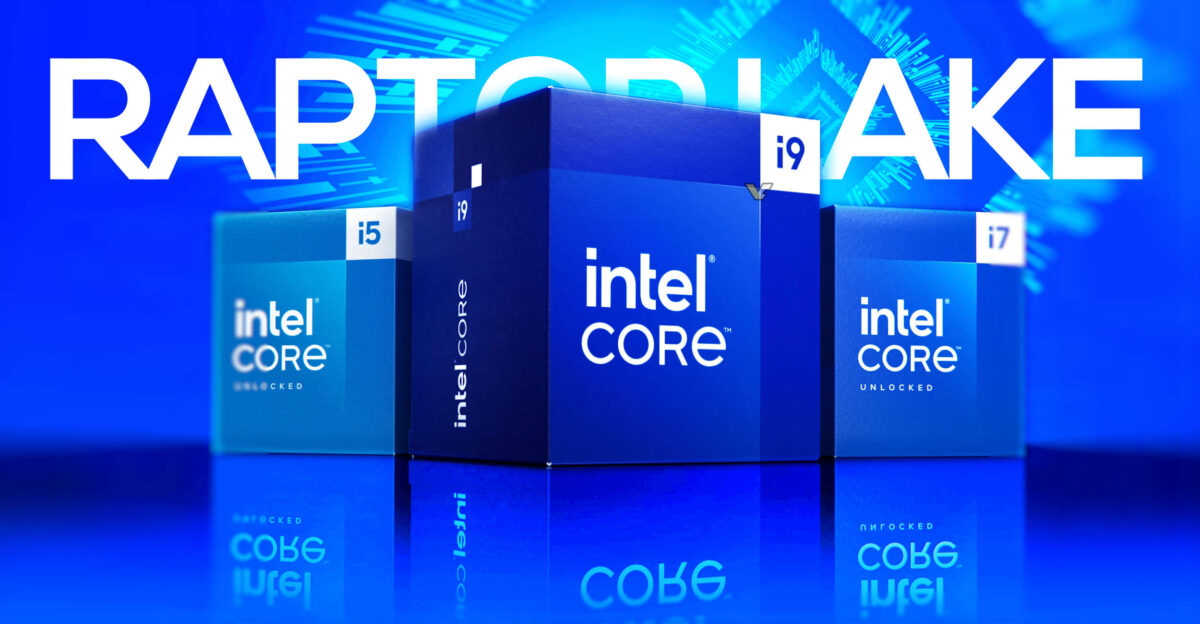
It’s that time of the year again for Intel as they make their first adjustments to their consumer lineup. The recent release of the Core i9-14900KS completes the unveiling of the full 14th Gen Core series, providing the LGA-1700 platform with more choices than ever before. Retailers still carrying 12th and 13th Gen Core series CPUs may find relief knowing that Intel will discontinue some variants of these CPUs, particularly the boxed editions.
Given the wide range of aftermarket CPU coolers on the market, Intel users rarely depend on Intel stock coolers. This is a primary reason why Intel sells CPUs in boxes, aside from marketing purposes. Furthermore, K-series CPUs typically do not include stock coolers due to their higher 125W default TDP. As a result, many prefer versions without the box, known as OEM or tray versions, which are often cheaper and easily available from major retailers who also use them for their prebuilt systems.

Intel discontinues 13th Gen Core Boxed CPUs, Source: Intel
It appears that these CPUs will now take the spotlight for the first-gen Raptor Lake CPUs, as Intel has formally declared that boxed models are entering a discontinuation phase, effective March 21. Intel will accept orders for these CPUs until May 24, with the final shipments scheduled for June 28. However, boxed models will not vanish from the shelves immediately; they are expected to remain available for months, if not years, before selling out completely. In fact, even to this day, one can find 12th Gen Core boxed models at retailers easily.
Intel is currently directing its attention towards its 14th Gen Core series, which is now available in all its variations. However, these will also eventually phase out following the introduction of the Core Ultra 200 series, codenamed “Arrow Lake.” Nevertheless, this change isn’t expected to take place until at least Q1 2025.
Source: Intel