Please note that this post is tagged as a rumor .
Leakers claim flagship NVIDIA Blackwell GPU might get sophisticated PCB design
Panzierlied (Chiphell) and Kopite7kimi confirm uncommon board design for the flagship Founders Edition model.
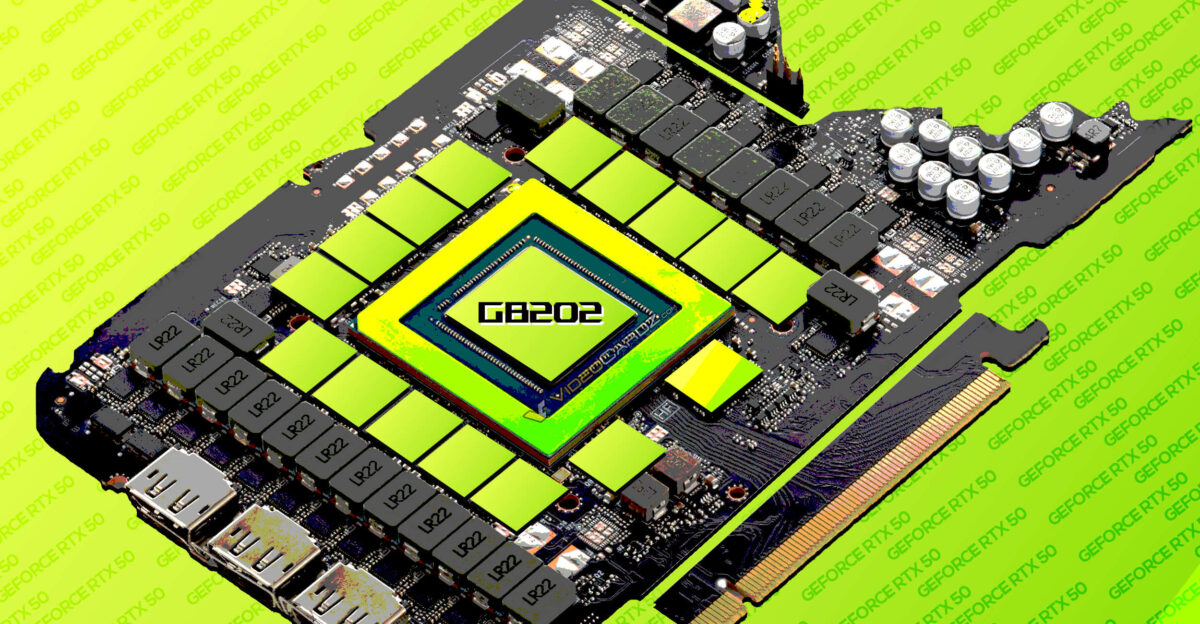
Earlier today, a rumor from Chiphell suggested that NVIDIA’s new RTX 50 Founders Edition might feature a unique memory chip layout resembling the Android mascot, as pointed out by the well-known leaker Kopite7kimi . The original rumor also hinted at a board design split into three parts but lacked specifics.
Kopite7kimi has now confirmed that the PCB is indeed divided into three sections: the main board, an I/O rigid board, and a separate PCIe slot component. The latter might function as a riser without any circuits, while the other boards are required to keep up Blackwell’s increased number of components, particularly the new GDDR7 memory.
Main Board, IO Rigid Board and a separate PCIE slot component(perhaps it should not be considered as the third PCB).
— kopite7kimi (@kopite7kimi) May 23, 2024
The RTX 5090 Founders Edition PCB could potentially feature up to 16 GDDR7 modules arranged around the GPU. This GPU is described as ‘physically monolithic’ but consisting of two GPU clusters connected in a manner similar to NVIDIA’s data center accelerators. For all we know, the GPU package might still be larger than the current AD102.
The rigid board might house display controllers, the power delivery system, or other components that don’t need direct contact with the cooling system. Interestingly, “panzerlied” later noted that the cooling design might end up being dual-slot, though Kopite7kimi did not confirm this detail. This would be a significant change given the thickness and power demands of the current-generation Ada Lovelace GPUs.
NVIDIA has a history of using multi-PCB designs. The most recent example is the Hopper H100 board, which includes a small rigid board. An even more extreme example is the GeForce 9800GX2, which featured two separate boards, each with its own GPU.
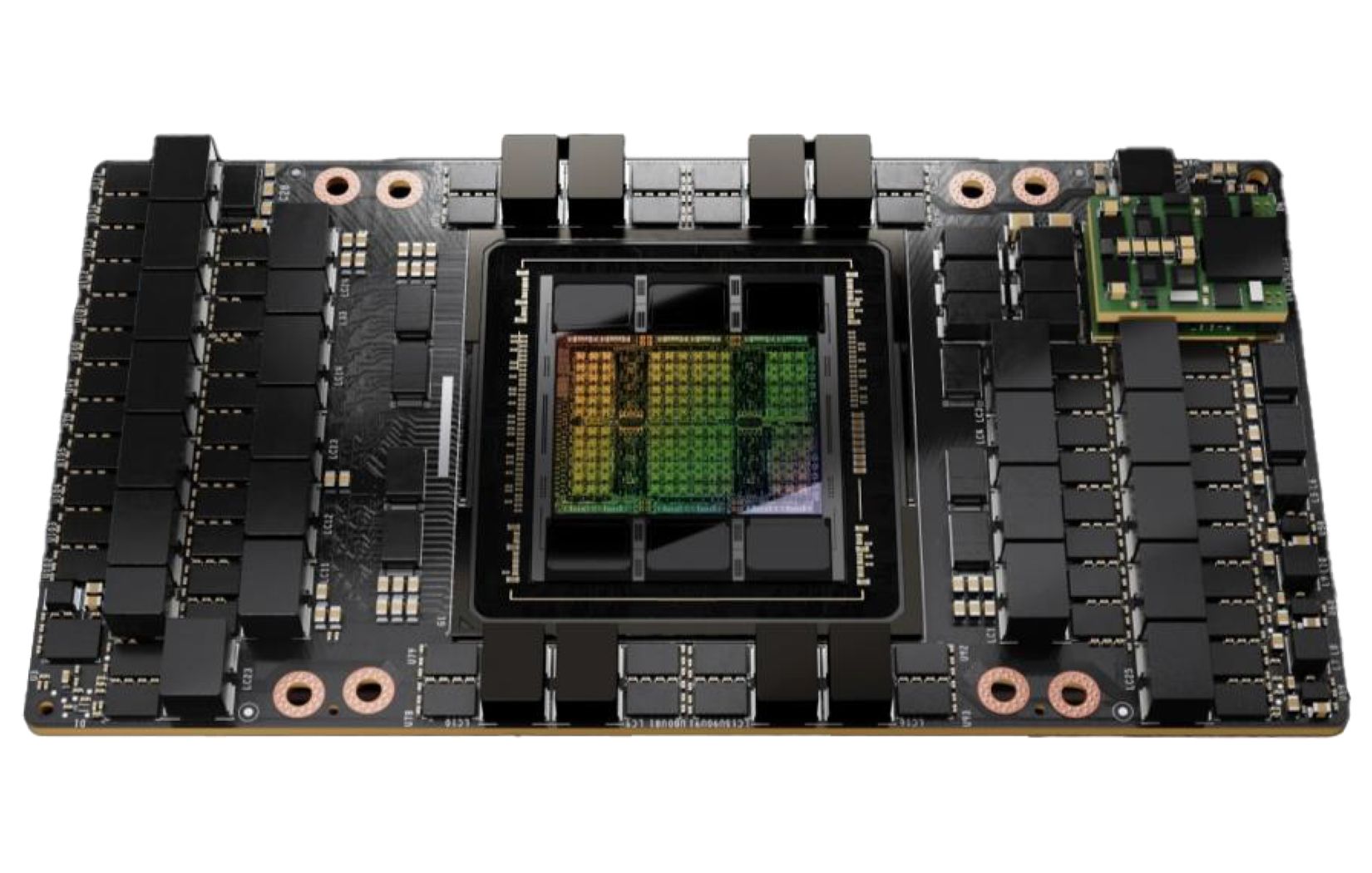
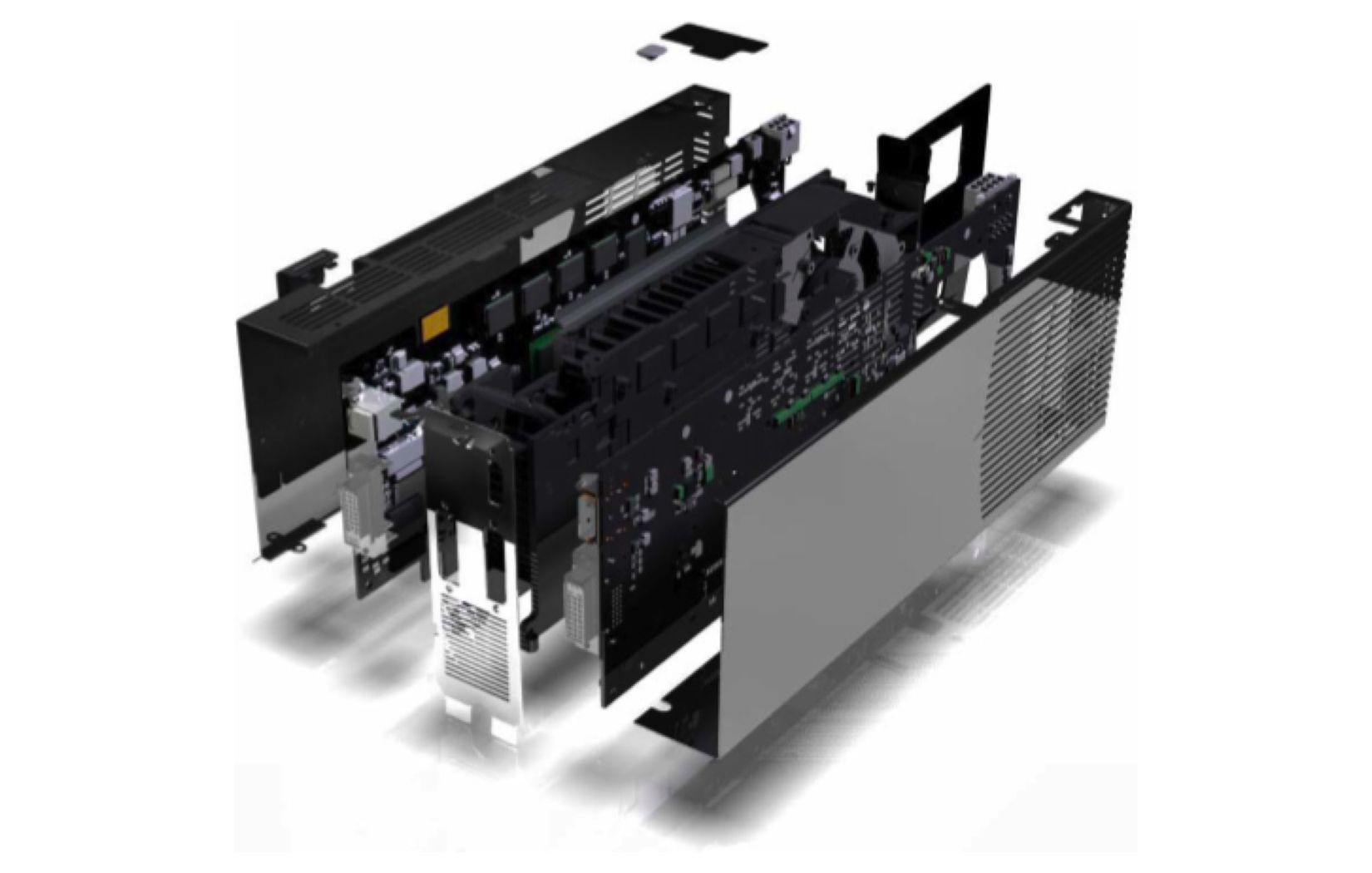
H100 Tensor Core GPU and GeForce 9800GX2, Source: NVIDIA
Source: Kopite7kimi