Lenovo Legion Go getting “Lite” edition
Windows Central reports Lenovo will launch a more affordable version of its gaming handheld.

Lenovo is preparing a revised version of the Legion Go, its Windows 11 gaming handheld. Unlike the upcoming ROG Ally X , which is expected to have upgraded specs, the new Legion Go version will likely be a cheaper model, possibly with a less powerful AMD CPU.
The current Legion Go features an 8.8-inch screen with a 2560×1600 resolution, an upgrade over the ROG Ally’s 7-inch 1080p screen. Both handhelds come with AMD Ryzen Z1 (Phoenix) APUs featuring up to 8 Zen4 cores and 12 RDNA3 Compute Units. However, the Legion Go has never been available with the less-expensive Z1 non-Extreme version, which offers 6 Zen4 cores and 4 RDNA3 GPU units.
Reports from Windows Central suggest that Lenovo might be considering using such an APU for a new Lite model. Although specs are not yet confirmed, it’s speculated that the new Legion Go could feature a smaller screen and lose the detachable gamepad feature, similar to the Nintendo Switch. A simpler, more ergonomic design, akin to the ROG Ally, might help Lenovo attract more market share.
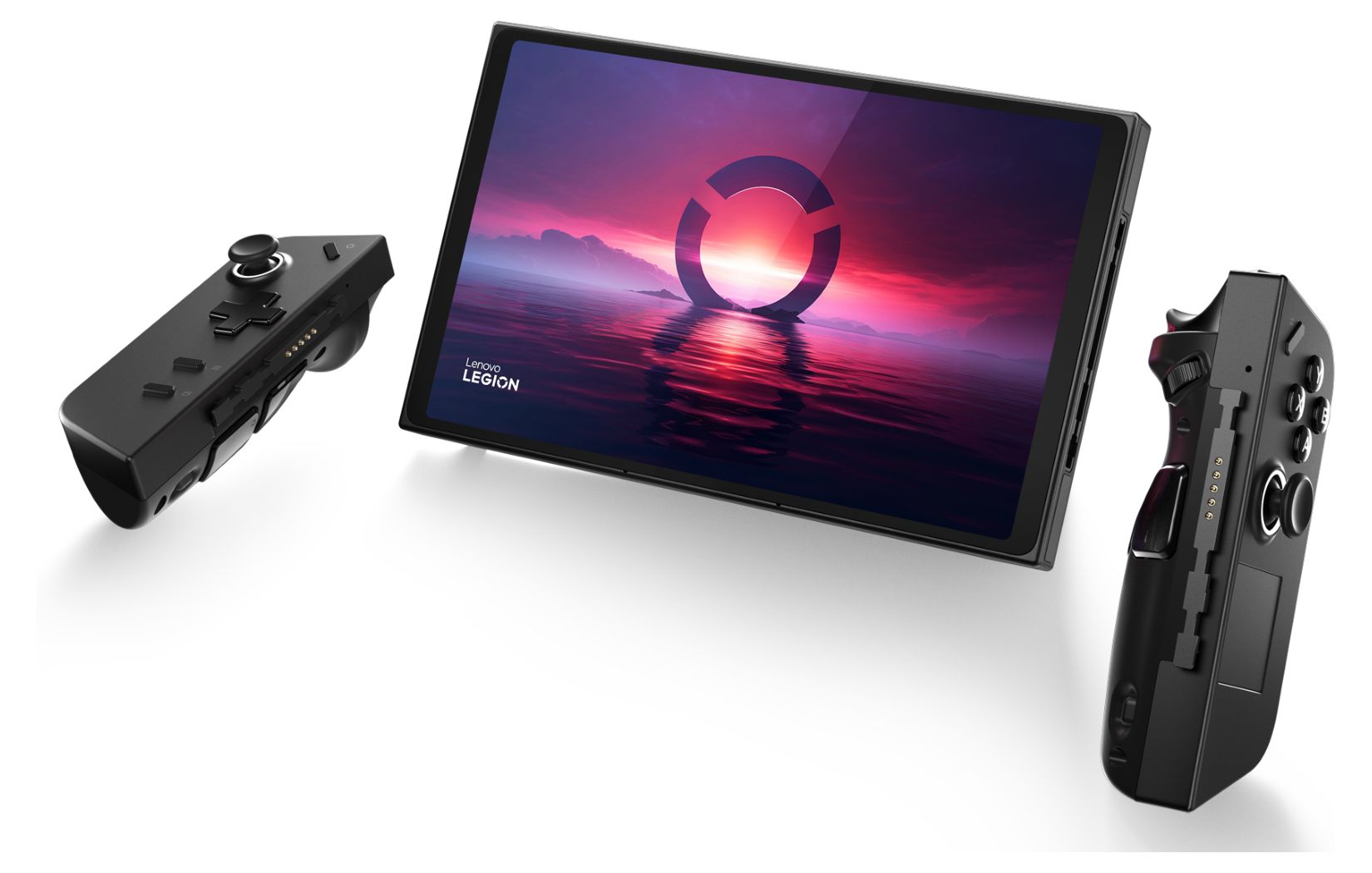
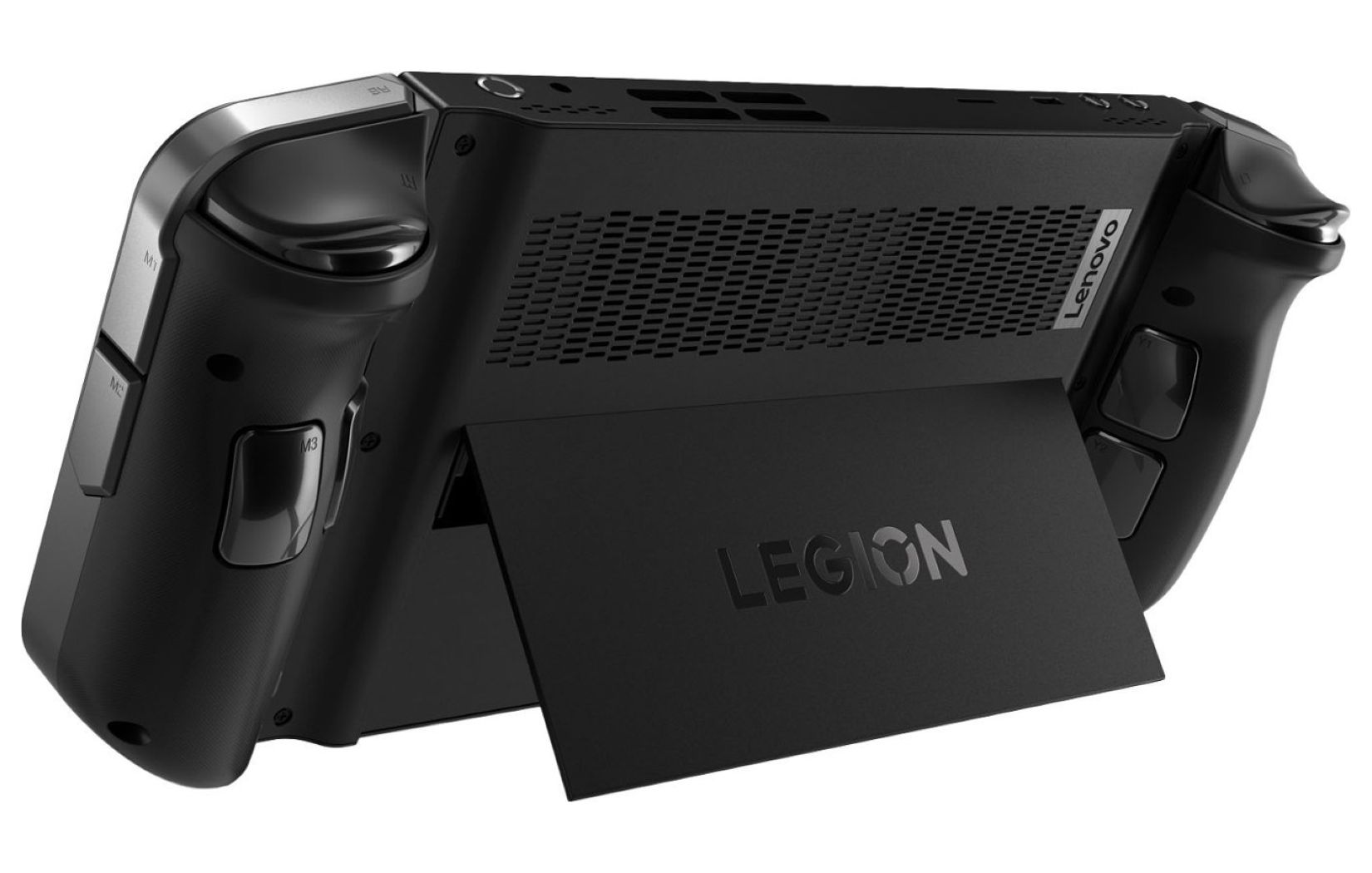
Legion Go Lite may lose detachable controllers
Whatever the Legion Go Lite ends up to be, Lenovo’s communication with its Legion Go community needs improvement, especially regarding software features. For instance, there is still no official driver that enables AMD Fluid Motion Frames (frame generation) on the device, unlike the ROG Ally, which already supports this technology. While gamers can use third-party solutions, the user interface and software are just as crucial as the hardware for these devices.
The current price for Legion Go is $629 on Amazon (affiliate link), which is already $70 lower than at launch in October. The Lite version would almost certain have to cost less.
| Handheld Gaming Consoles Specs | |||||
|---|---|---|---|---|---|
| VideoCardz | Lenovo Legion Go | Lenovo Legion Go Lite | ASUS ROG Ally X | ASUS ROG Ally 2023 | Valve Steam Deck OLED |
| Picture |  | |  | 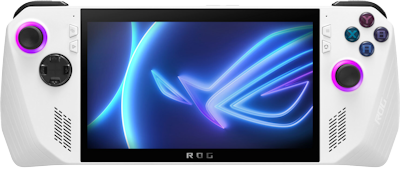 |  |
| Architecture | AMD Zen4 & RDNA3 | AMD Zen4 & RDNA3 | AMD Zen4 & RDNA3 | AMD Zen4 & RDNA3 | AMD Zen2 & RDNA2 |
| APU | Ryzen Z1 Extreme 8C/16T up to 5.1 GHz | Ryzen Z1 (?) 6C/12T up to 4.9 GHz | Ryzen Z1 Extreme 8C/16T up to 5.1 GHz | Ryzen Z1 Extreme 8C/16T up to 5.1 GHz or Ryzen Z1 6C/12T up to 4.9 GHz | AMD Sephiroth (6nm) 4C/8T up to 3.5 GHz |
| SoC GPU | AMD iGPU 12CU @ 2.7 GHz [Z1E] | AMD iGPU (?) 4CU @ 2.5 GHz [Z1] | AMD iGPU 12CU @ 2.7 GHz | AMD iGPU 12CU @ 2.7 GHz [Z1E] 4CU @ 2.5 GHz [Z1] | AMD iGPU 8CU @ 1.6 GHz |
| External GPU | USB4 | USB4 | USB4 | ROG XG Mobile (up to RTX 4090) | Not officially |
| Memory Capacity | 16GB LPDDR5X-7500 | TBC | 24GB LPDDR5X-7500 | 16GB LPDDR5-6400 | 16GB LPDDR5-6400 |
| Storage Capacity | 1TB/512GB | TBC | 1TB | 512GB | 512GB/1TB SSD |
| Storage Type | M.2 NVMe 2242 SSD PCIe 4×4 | TBC | M.2 NVMe 2280 SSD PCIe 4×4 | M.2 NVMe 2230 SSD PCIe 4×4 | M.2 NVMe 2230 SSD PCIe 3×4 |
| Display | 8.8″ 2560×1600 IPS, 144Hz, 500 nits | TBC | 7″ 1920×1080, 120Hz, 500 nits, 7ms, VRR | 7″ 1920×1080, 120Hz, 500 nits, 7ms, VRR | 7.4″ 1200×800, 90 Hz |
| Connectivity | Wi-Fi 6E, BT 5.2 | TBC | Wi-Fi 6E, BT 5.2 | Wi-Fi 6E, BT 5.2 | Wi-Fi 6E, BT 5.3 |
| Battery | 49.2 Wh, 900 mAh | TBC | 80 Wh | 40 Wh | 50 Wh |
| Weight | 854g | TBC | 678g | 608g | 640 g |
| Dimensions (L×W×H) | 29.9 × 13.1 × 4.1 cm | TBC | 28.0 × 11.4 × 3.7 cm | 28.0 × 11.7 × 3.2 cm | 29.8 × 11.7 × 4.9 cm |
| Default OS | Windows 11 | TBC | Windows 11 | Windows 11 | Steam OS/Win 11 |
| Retail Price | $749 [Z1E+1TB] $699/€799 [Z1E+512GB] | TBC | TBC | $699/€799 [Z1E] $599/€699 [Z1] | $649/€679 [1TB] $549/€569 [512GB] |
| Release Date | October 31, 2023 | 2024 | June 2024 | June 2023 [Z1E] September 2023 [Z1] | November 2023 |
Source: Windows Central