Intel will extend the warranty for Raptor Lake CPUs by an additional 2 years
Only boxed CPUs will get an extended warranty.
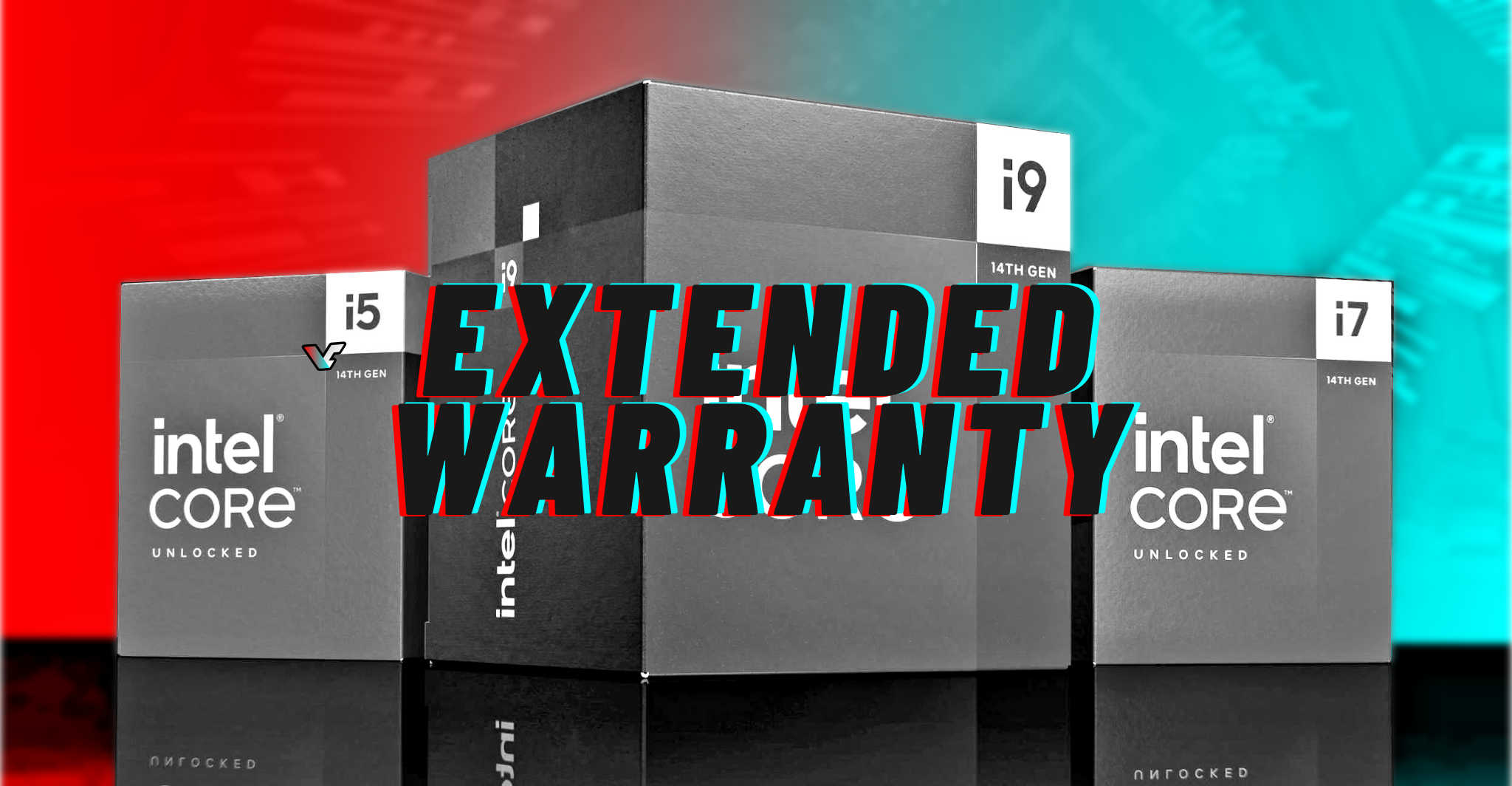
Intel has announced an extension of the warranty for its Raptor Lake series, adding an additional two years to the existing coverage, bringing the total warranty period to five years. This was confirmed by Intel today, with further details promised in the coming days. It’s important to note that this extended warranty will only apply to boxed CPUs.
For potential issues, users who purchased entire systems will need to contact Intel Customer Support. Those who bought systems from OEMs or system integrators should reach out to the manufacturer’s support.
Intel’s statement acknowledges the instability issue affecting Raptor Lake CPUs, describing it as challenging to diagnose. It would appear that the company is still working to identify the root cause. Although further explanations (including details on the extended warranty) are expected in the coming days, the current statement does not provide new information on the instability issue or its root cause. Additionally, there is no update on whether mobile CPUs are affected.
Extended Warranty Support
Intel is committed to making sure all customers who have or are currently experiencing instability symptoms on their 13th and/or 14th Gen desktop processors are supported in the exchange process. We stand behind our products, and in the coming days we will be sharing more details on two-year extended warranty support for our boxed Intel Core 13th and 14th Gen desktop processors.
In the meantime, if you are currently or previously experienced instability symptoms on your Intel Core 13th/14th Gen desktop system:
- For users who purchased systems from OEM/System Integrators – please reach out to your system manufacturer’s support team for further assistance.
- For users who purchased a boxed CPU – please reach out to ~Intel Customer Support~ for further assistance.
At the same time, we apologize for the delay in communications as this has been a challenging issue to unravel and definitively root cause.
Intel has provided additional information regarding the via oxidation issue, clarifying that it was identified in 2022 and addressed in early 2023. However, it’s important for customers to know that some affected inventory might still be in circulation until 2024.
Despite this, Intel has not provided any tools or methods for customers to check if their processors are affected, such as software tools or serial batch numbers. Some customers may have unknowingly purchased affected stock, but the fact that such an issue even existed has only been discovered a year later after reports from Gamers Nexus who have brought this issue to light, and they are currently investigating it further.
Oxidation Issue
The Via Oxidation issue currently reported in the press is a minor one that was addressed with manufacturing improvements and screens in early 2023.
The issue was identified in late 2022, and with the manufacturing improvements and additional screens implemented Intel was able to confirm full removal of impacted processors in our supply chain by early 2024. However, on-shelf inventory may have persisted into early 2024 as a result.
Minor manufacturing issues are an inescapable fact with all silicon products. Intel continuously works with customers to troubleshoot and remediate product failure reports and provides public communications on product issues when the customer risk exceeds Intel quality control thresholds.
Source: Intel