Apple on Tuesday announced a new generation of the iPad mini , coming three years after the introduction of the iPad mini 6. From the outside, looks exactly the same as its predecessor, but there’s an important change inside: the A17 Pro chip. Although many have claimed that this is the same chip as the , it seems that the is powered by a binned version of the chip.
The A17 Pro chip was introduced last year with the , and until then these were the only devices to have this chip. In the iPhone, the A17 Pro chip has a 6-core CPU and a 6-core GPU, as well as 8GB of RAM. While the chip in the iPad most likely also has 8GB of RAM, suggests that it uses a binned version of the chip with fewer cores.
More specifically, the iPad mini 7’s technical specifications say that the A17 Pro chip used in the tablet has a 6-core CPU, but a 5-core GPU – one less than the chip used in the . This doesn’t exactly come as a surprise since Apple has used binned chips in some of its devices before.
For those unfamiliar, chip binning is a quality control process in chip manufacturing. Rather than scrapping chips that haven’t reached the maximum performance of all their cores, some of them are deactivated and the chip can still be used with fewer cores.
It’s easy to assume that Apple had a bunch of A17 Pro chips lying around and decided to use them in the as the were discontinued in September. Since we’re only talking about one less GPU core, the overall performance of the chip probably won’t be affected for most tasks.
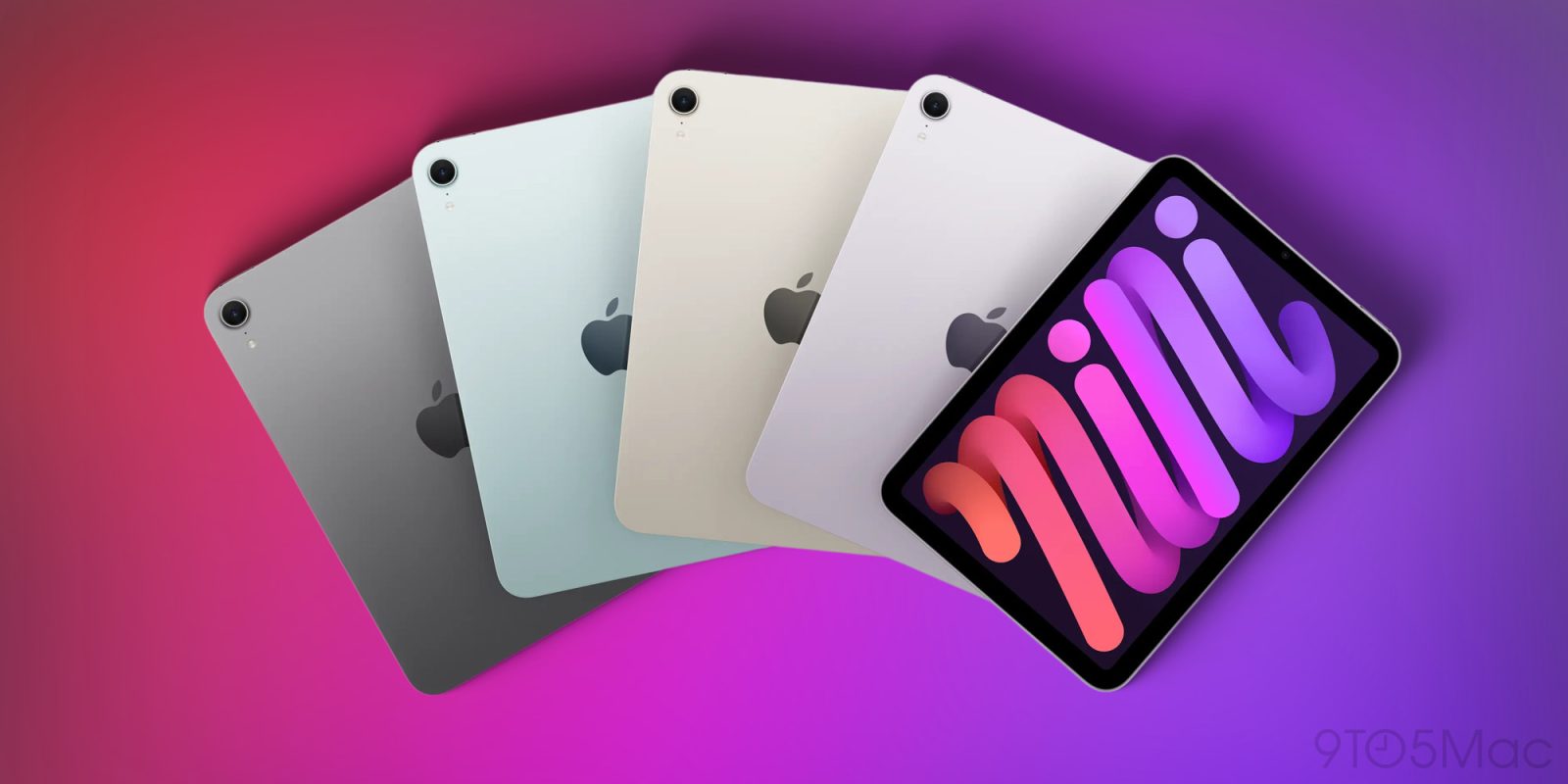
Thanks to the A17 Pro chip with 8GB of RAM, the new iPad mini is compatible with the Apple Intelligence features coming later this month with iPadOS 18.1.
Pre-orders for the are now available on , .
FTC: We use income earning auto affiliate links. More.