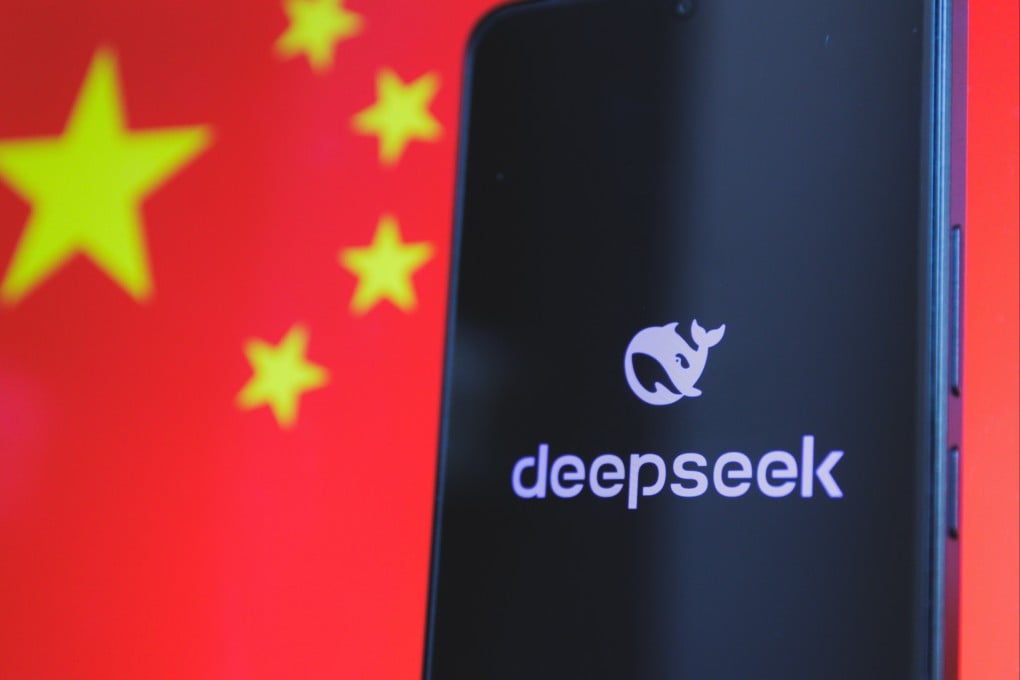
in Shanghai , in Shanghai and in Beijing
The Hangzhou -based firm over the past several weeks released two powerful new AI models, DeepSeek-V3 and DeepSeek-R1 , that were built at a fraction of the cost and computing power that major tech companies muster to build large language models (LLMs) – the technology underpinning generative AI services like ChatGPT .
On social media , the AI community expressed admiration for how DeepSeek’s two open-source models either surpassed or matched the performance of rival products across a range of industry benchmark tests, in spite of tightened US restrictions on China’s access to advanced semiconductors and related technologies. In a post on X , OpenAI chief executive Sam Altman said: “DeepSeek’s R1 is an impressive model, particularly around what they’re able to deliver for the price.”
The AI industry’s buzz over DeepSeek appeared to reach a crescendo on Monday when news spread that its namesake chatbot, integrated with the R1 reasoning model, claimed the top spot among free-to-use apps on Apple ’s App Stores in the US and China.
Here is what we know so far about the company and the discernible reasons for its success:

A visionary leader