The call came in January. CIA Director John Ratcliffe, just days into his tenure, reached out to Pakistan ’s intelligence chief with a plea: help us bring those behind Kabul’s Abbey Gate bombing – an attack that killed 170 Afghan civilians and 13 American soldiers – to justice.
What followed was a sweeping seven-month operation that spanned intelligence networks across 21 nations, culminating in the arrest of Mohammad Sharifullah and 38 others. It was a victory that has thrust Pakistan back into the global spotlight as an integral player in the fight against Islamic State Khorasan , or Isis-K.
Led by Pakistan’s powerful Inter-Services Intelligence (ISI) – whose director general Lieutenant General Asim Malik met Ratcliffe on the sidelines of a security conference in Germany to hatch the plan – the operation dismantled a key Isis-K “external operations cell” responsible for some of the deadliest attacks in recent years, with its most dangerous operatives subsequently deported to countries including the United States , Russia , Turkey and Iran .
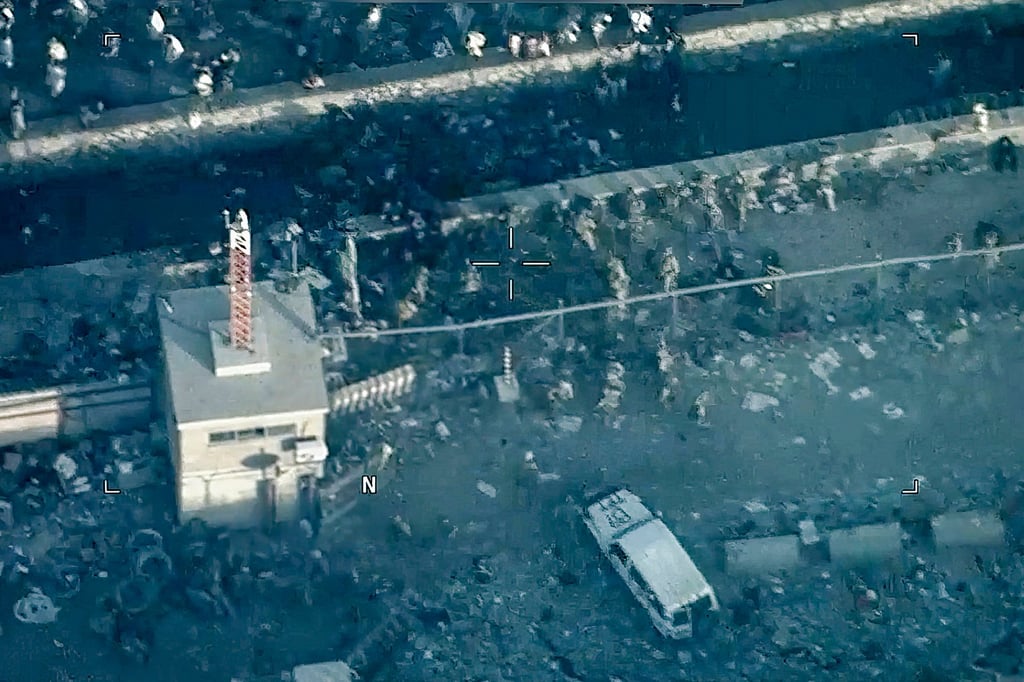
The arrest of Sharifullah, an Afghan national who confessed to orchestrating the Abbey Gate suicide bombing during the chaotic US withdrawal in August 2021 , marked a diplomatic victory for Islamabad and Washington.
It prompted rare praise from US President Donald Trump , who extended thanks on March 4 to Pakistan’s government “for helping arrest this monster” during his first speech to Congress since retaking the presidency.