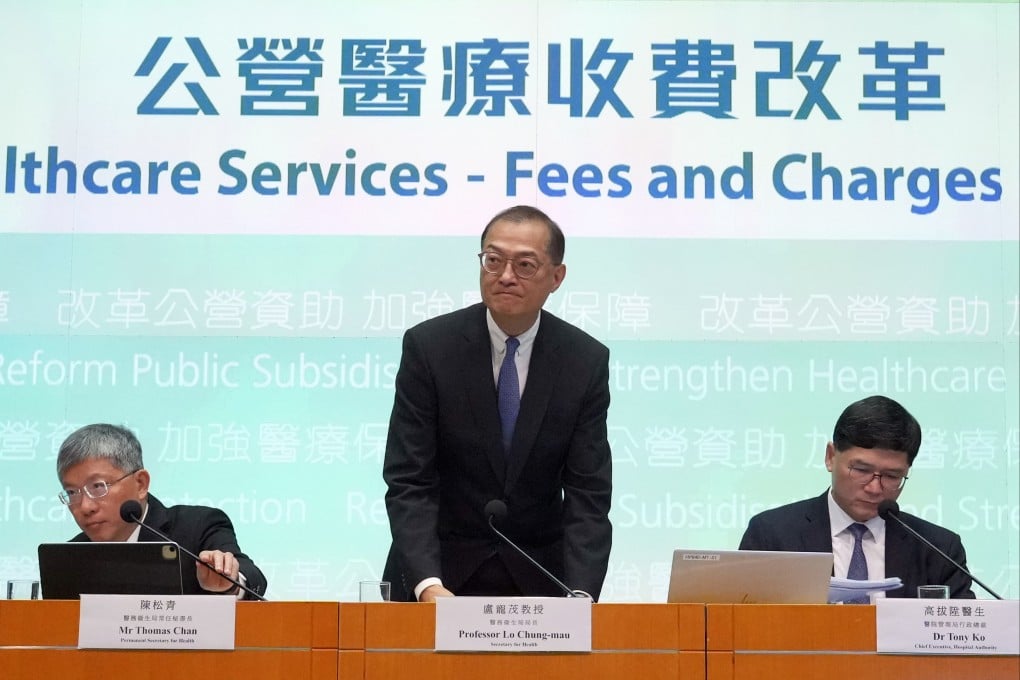
Few things worry ordinary citizens as much as a surge in healthcare costs. On March 25, the Hong Kong government announced a sweeping overhaul of public healthcare fees, with increases that cannot be ignored.
The price of a visit to the accident and emergency department will more than double to HK$400 (US$51.45) from HK$180, specialist outpatient fees will jump to HK$250 from HK$80 and hospital inpatient charges will go up to HK$300 a day from HK$120. For a city already grappling with rising living costs, the move has sent shock waves through society.
Government officials, including Secretary for Health Lo Chung-mau, argue that the adjustments are long overdue. The last revision was in 2017, despite a mechanism that recommends a review every two years. The financial burden of public healthcare has been mounting, with the government subsidising an astonishing 97.6 per cent of costs .
Even after the price adjustment, subsidies will remain at 94 per cent , with a target of reducing them further, to 90 per cent within five years. In other words, this is only the beginning of a broader shift towards more cost-sharing.
The numbers tell a sobering story. Hong Kong’s public healthcare spending has increased significantly over the past decade, from HK$70 billion in the 2015-16 financial year to a projected HK$141 billion for the current financial year. It now accounts for a substantial portion of the government budget, second only to social welfare.
Meanwhile, fiscal reserves have declined from a high of over HK$1.1 trillion in 2018-19 to a forecast HK$647.4 billion for 2024-25, squeezed by rising expenditure and declining tax revenue. With Hong Kong’s ageing population and declining birth rate , healthcare costs are expected to continue climbing.