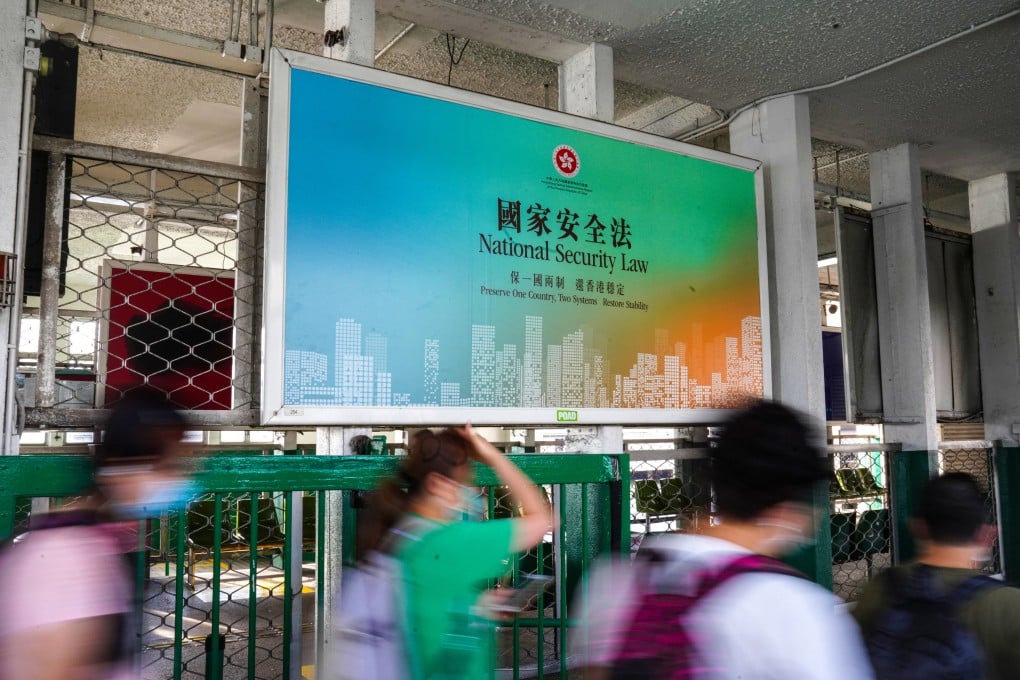
Article 55 of the national security law stipulates that the Beijing’s Office for Safeguarding National Security, upon approval by central authorities of a request by the Hong Kong government or itself, should exercise jurisdiction over a case under three special circumstances, such as when the local administration is unable to effectively enforce the bill.
The administration also proposes prohibiting anyone who knows or suspects that Beijing’s national security office in Hong Kong is handling a case “from disclosing to any other person any information relating to that investigation without reasonable excuse or lawful authority”, and stipulates as a matter of principle the obligation to keep confidential the work-related information in connection with the office.
“It is also proposed to provide that a person must not obtain, possess or disclose the information unless the [office] has made public the information or given lawful authority to the person,” the paper read.
Other new offences proposed under the subsidiary legislation also targeted those who wilfully resisted or obstructed Beijing’s national security arm in Hong Kong in the performance of a duty, or others that were assisting the office.