in Shanghai and in Shanghai
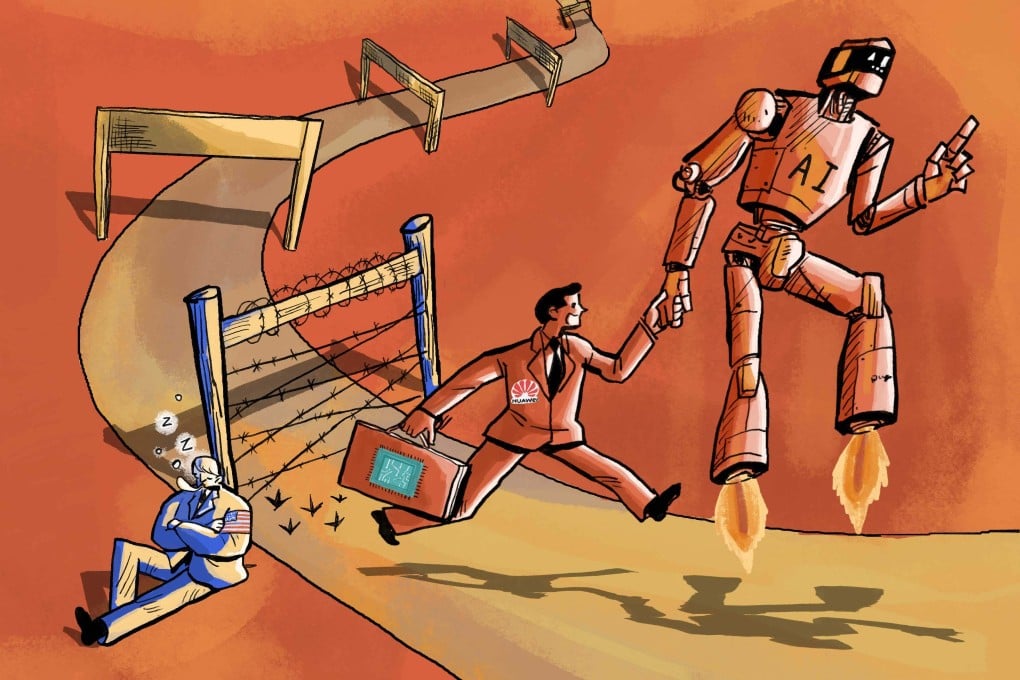
Huawei’s advanced AI chip initiative, however, suddenly faced a major obstacle a year later in August 2020, when the US Commerce Department tightened restrictions by barring the sale of semiconductor products and services – sourced from anywhere with US technology – to the company and its affiliates without a requisite licence.
As a result, Huawei supplier Taiwan Semiconductor Manufacturing Co , the world’s largest and most advanced contract chipmaker, ceased doing business with the Chinese firm and its integrated circuit (IC) design unit HiSilicon to comply with US curbs.
Fast-forward to 2025, and Huawei has remained resilient in the face of US sanctions .
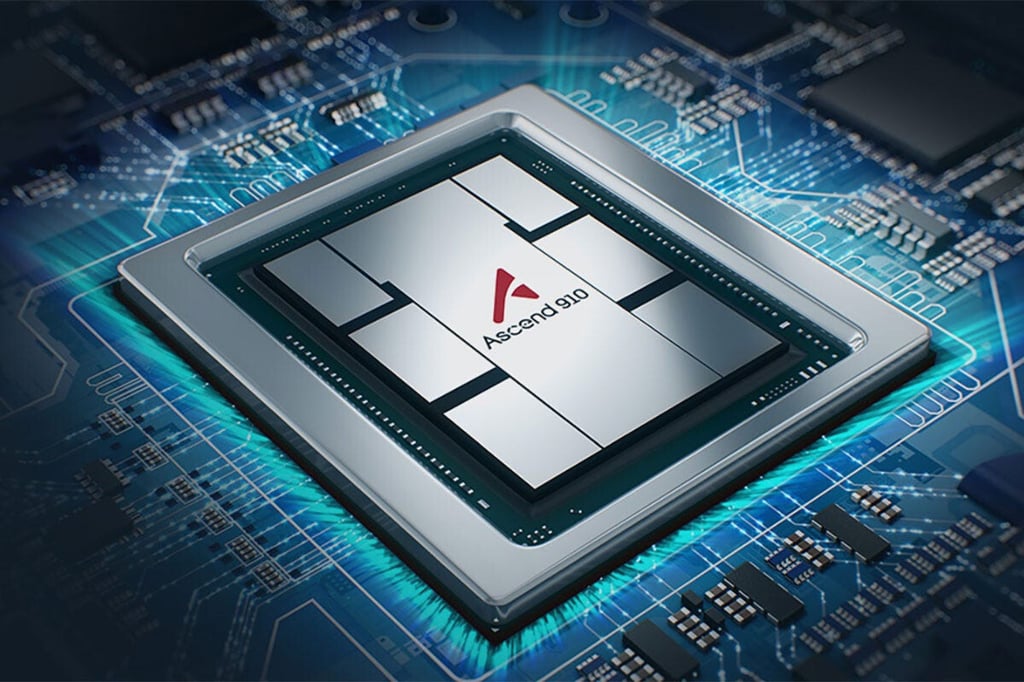
Jensen Huang , founder and CEO of AI chip giant Nvidia , has been the most prominent industry leader to recognise the resurgence of Huawei in the IC sector.