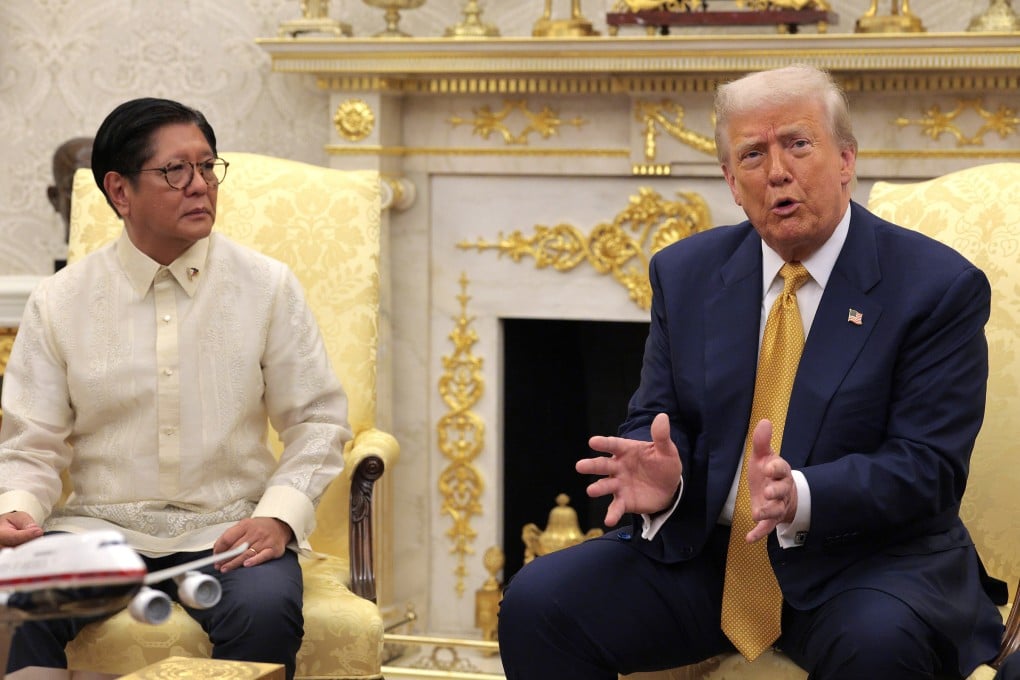
The United States has struck new trade deals with Indonesia and the Philippines, in a move analysts say could indirectly undercut China by reshaping regional supply chains and tapping rare earth reserves – even if Beijing is not explicitly targeted.
“Having failed to secure direct wins against China on tariffs and export controls, [the US] has a stronger incentive to contain China in a more indirect manner, and the deals with Southeast Asian countries are examples of that tactic,” said Xu Tianchen, senior China economist at the Economist Intelligence Unit.
But Chinese factories are not as reliant on transshipments as they were five years ago, as they increasingly seek to localise production in Southeast Asian countries, he added.
According to Trump, imports from the two countries will be charged a 19 per cent tariff, while American shipments to the Philippines and Indonesia will not face any duties.