
Families in northern China bind babies in wooden cradles to mimic a mother’s embrace, with the cot sometimes being padded with nappies or even sand and soil.
The centuries-old practice is celebrated as parenting wisdom but has also been questioned for the discomfort it may cause.
Among nomadic families, the cradle symbolises care for a new life and hope for the future.
Long before they learn to crawl, infants in Inner Mongolia spend much of their early days nestled in a traditional cradle known as an Ulugyi .
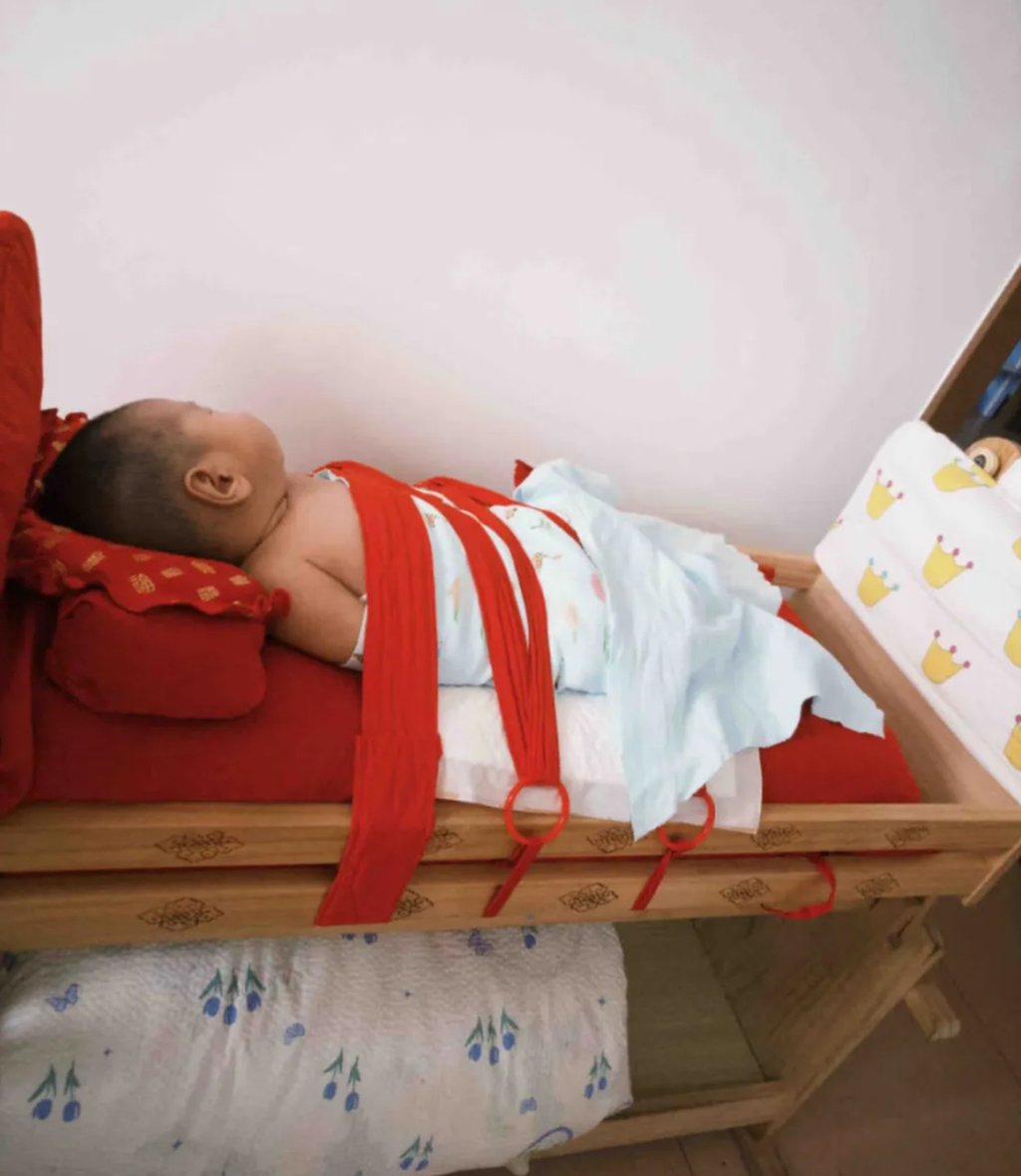
The Ulugyi dates back to the 13th century and is crafted from wood, copper rings and rope, according to historical records.
Choose your listening speed
Get through articles 2x faster