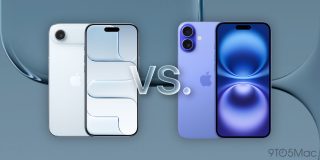
With the iPhone 17 lineup, Apple has discontinued the Plus model in favor of the new iPhone Air. But how do these models compare to each other?
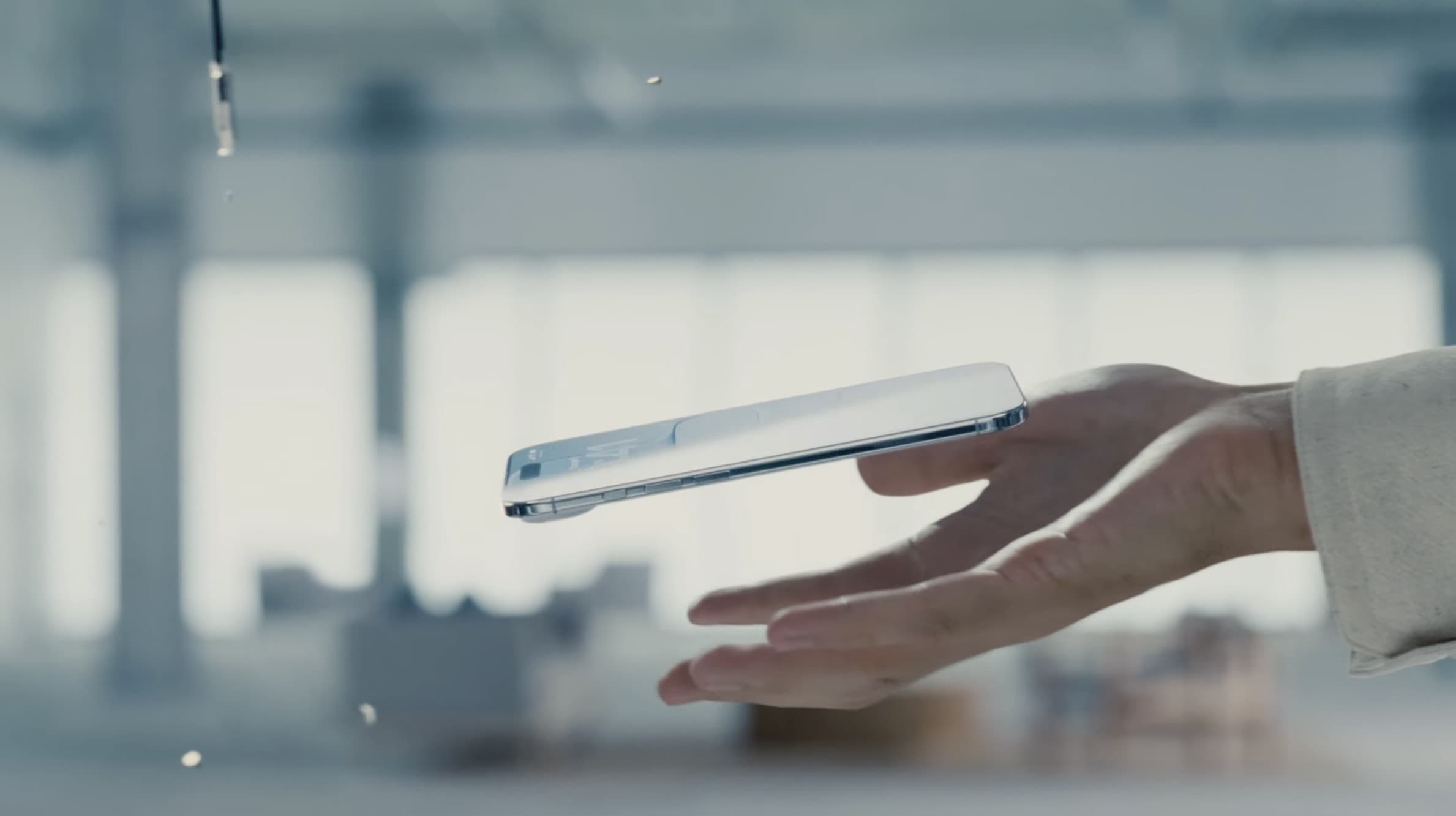
Of course, the most immediate and striking difference between and is the difference in design. is significantly thinner and lighter:
- 5.64 mm thick, down from 7.80 mm
- 165 g (5.82 oz), down from 199 g (7.03 oz)
is also shorter and narrower than :
- 6.15 in (156.2 mm) tall, down from 6.33 in (160.9 mm)
- 2.94 in (74.7 mm) wide, down from 3.06 in (77.8 mm)
The camera plateau on the back is now full-width, unlike . It is shorter though.
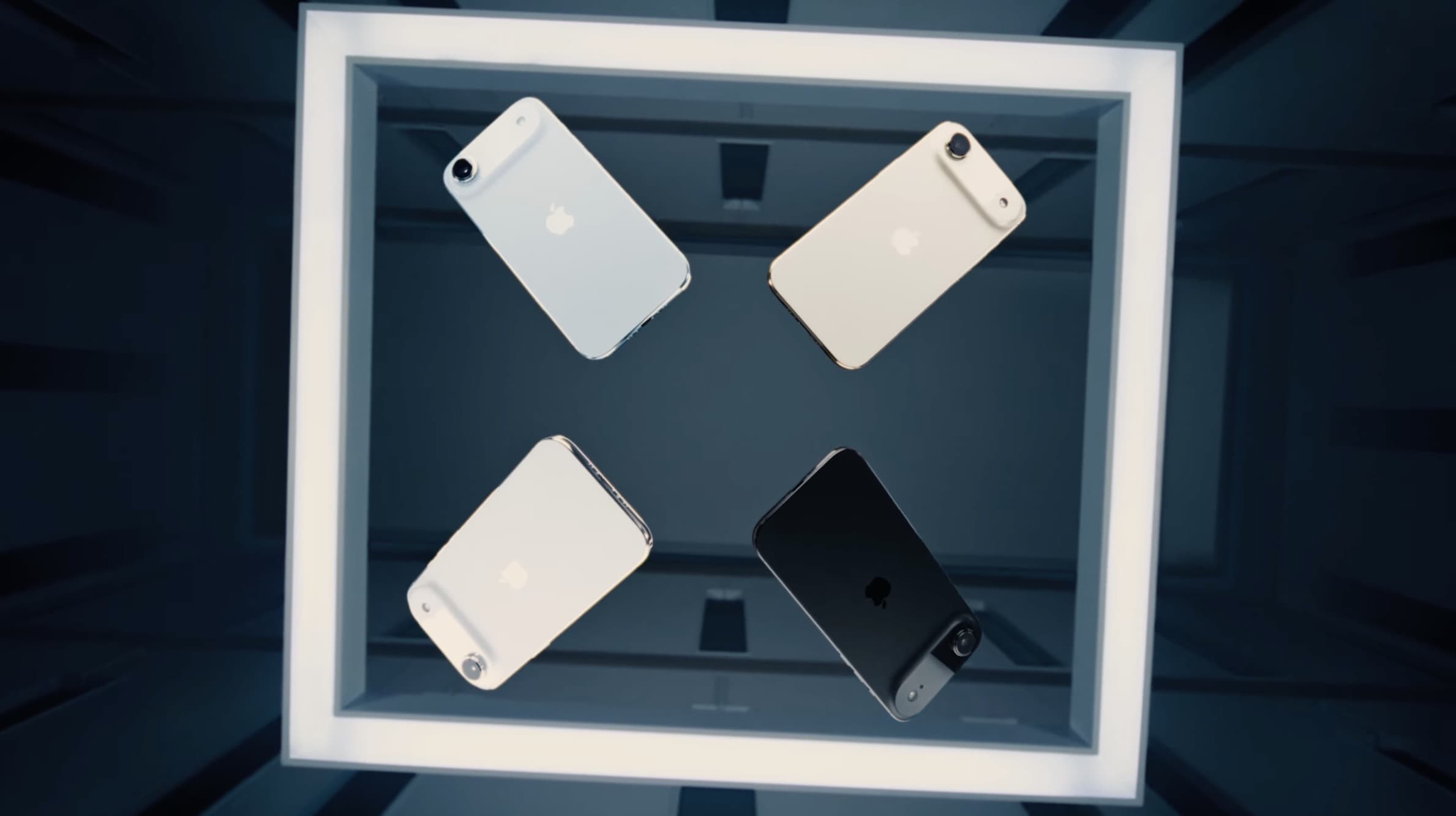
Part of the new design is a new palette of colors. Compared to iPhone 16 Plus, the iPhone Air’s colors are much simpler. comes in Sky Blue, Light Gold, Cloud White, and Space Black , while iPhone 16 Plus came in Ultramarine, Teal, Pink, White, Black.
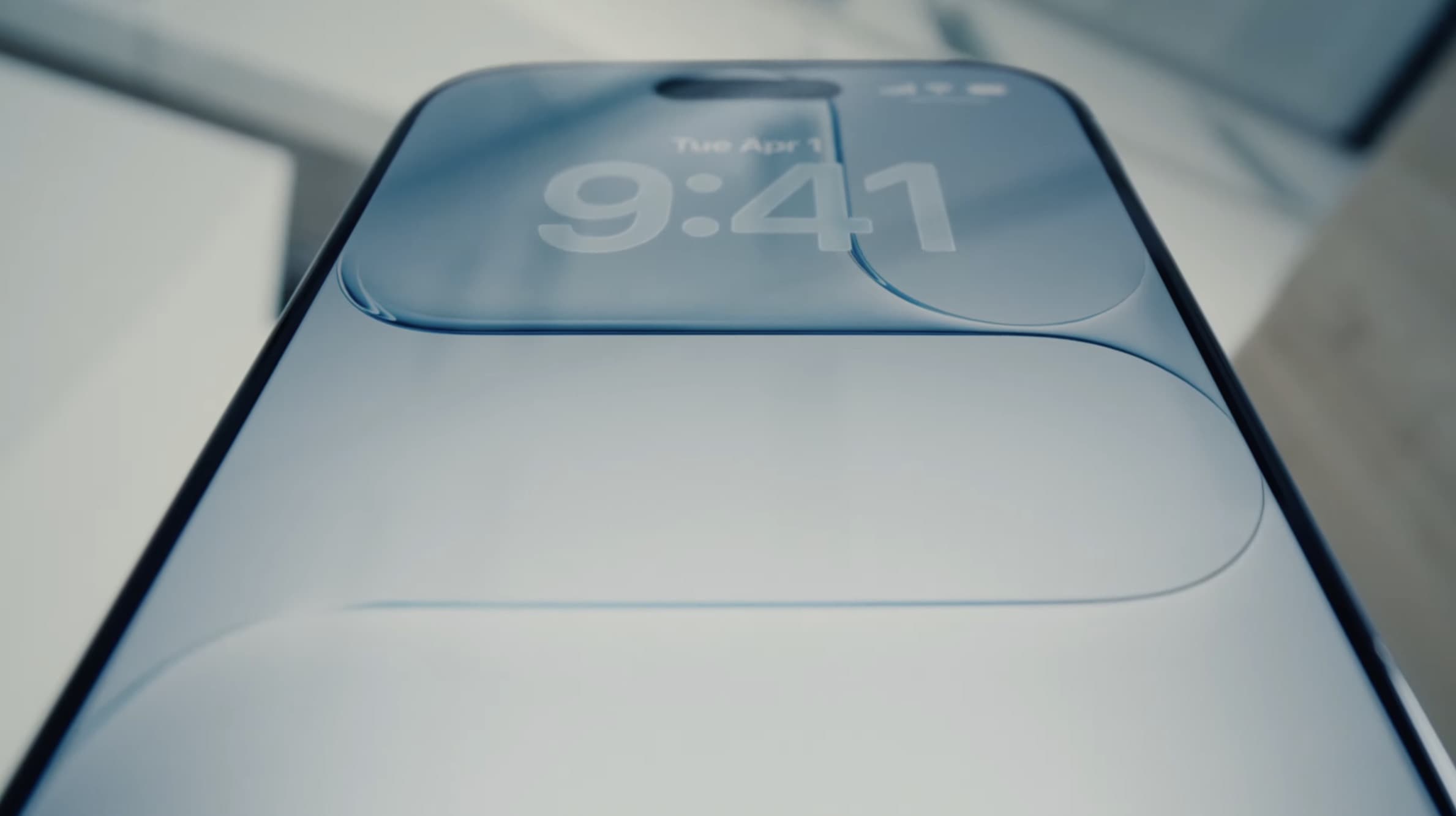
has the same Super Retina XDR Display features from the iPhone 17 Pro, including ProMotion! This brings some great new features compared to iPhone 16 Plus:
- Adaptive refresh rate, from as low as 1Hz to as high as 120Hz. This will result in both a more smoother-feeling display and better battery life.
- Always-On display: now, when iPhone Air is asleep, the display can still show the time, Widgets, and notifications.
However, the display is a little smaller, at 6.55″ compared to 6.69″. Specifically, the resolutions are:
- iPhone Air: 2736 × 1260 at 460 ppi
- iPhone 16 Plus: 2796 × 1290 at 460 ppi
also comes with Ceramic Shield 2, which brings a few new features:
Finally, all new iPhone models this year feature 3000 nits of peak display brightness when outdoors, up from 2000 last year. Combined with the new anti-reflective coating, Apple this will provide 2x better contrast when outdoors.
The A19 Pro chip will give even better performance than iPhone 16 Plus with A18. The new features are largely focused on increasing AI capabilities: new Neural Accelerators will substantially improve performance for machine learning and artificial intelligence tasks. Apple says it will provide “MacBook Pro-levels” of power. Also, things like gaming will be improved, as Apple the GPU of A19 Pro features up to “3x the peak GPU compute over the previous generation”.
iPhone Air features 12 GB of RAM, up from 8 GB on iPhone 16 Plus. A19 Pro also features increased memory bandwidth, though Apple hasn’t specified how much it has increased.
According to Apple’s tests, will offer about the same battery performance as (in certain scenarios):
- Up to 27 hours of video playback (downloaded), the same as iPhone 16 Plus
- Up to 22 hours of streamed video playback, down from 24 hours
Apple also offers a special . Here are the results when using it:
- Up to 40 hours of video playback (downloaded), up from 27 hours
- Up to 35 hours of streamed video playback, up from 24 hours
also offers slightly faster charging, so you can now get up to 50% charge in 30 minutes instead of 35 minutes when using a or .
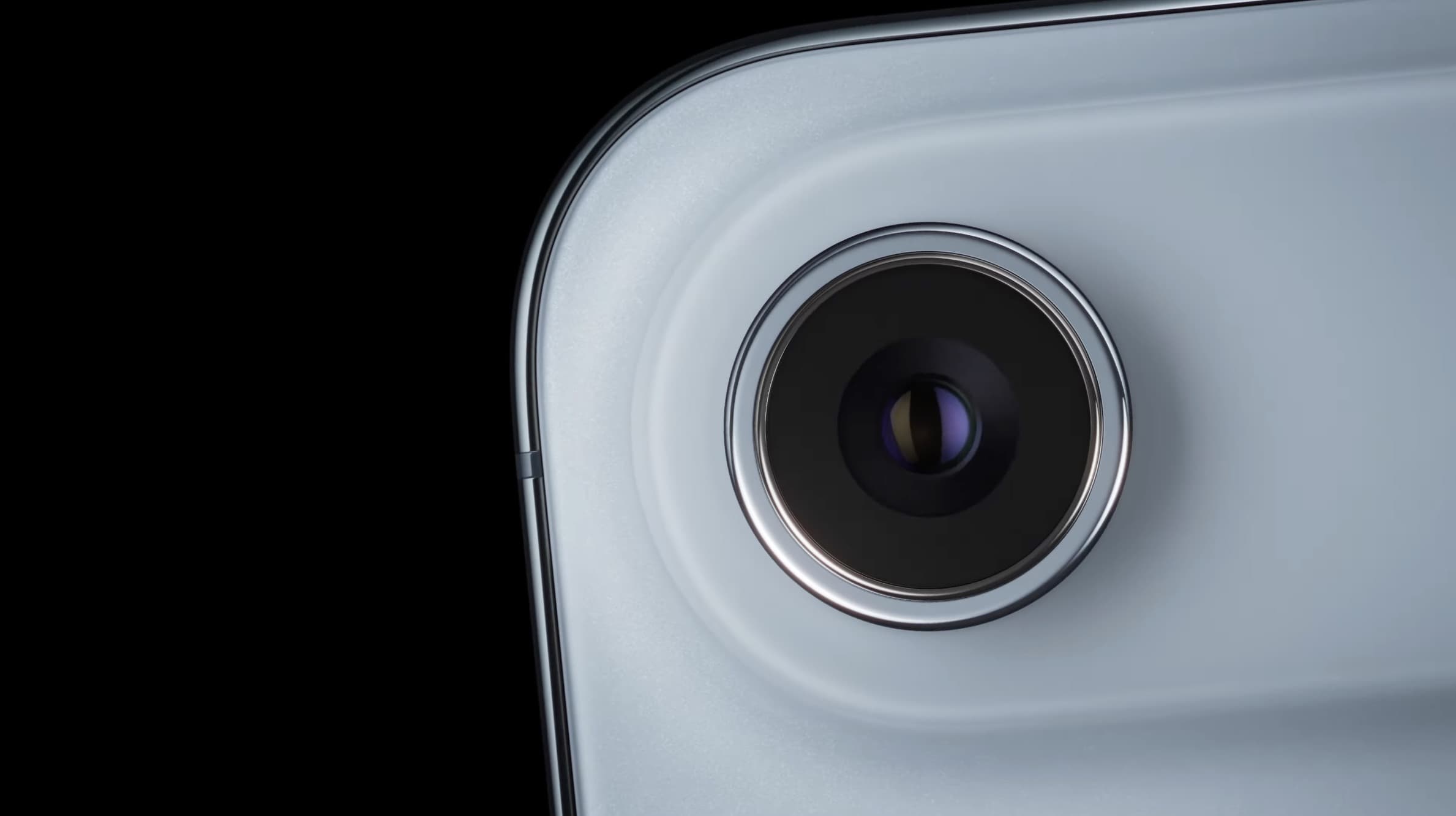
In order to get iPhone Air so thin, a few compromises had to be made. One of those is the lack of an Ultra Wide camera. It does, however, have the same great 48MP Fusion Wide camera from the rest of the iPhone 17 lineup! The “Fusion” here means that you can get full-resolution 12MP photos at 2x zoom, instead of relying on lower-quality digital zoom. Although this camera is not really new compared to iPhone 16 Plus, it does feature improved processing. You do also keep the same great Portrait mode photos , including being able to take a Portrait photo of any subject. You do, however, lose Cinematic Mode for video recording.
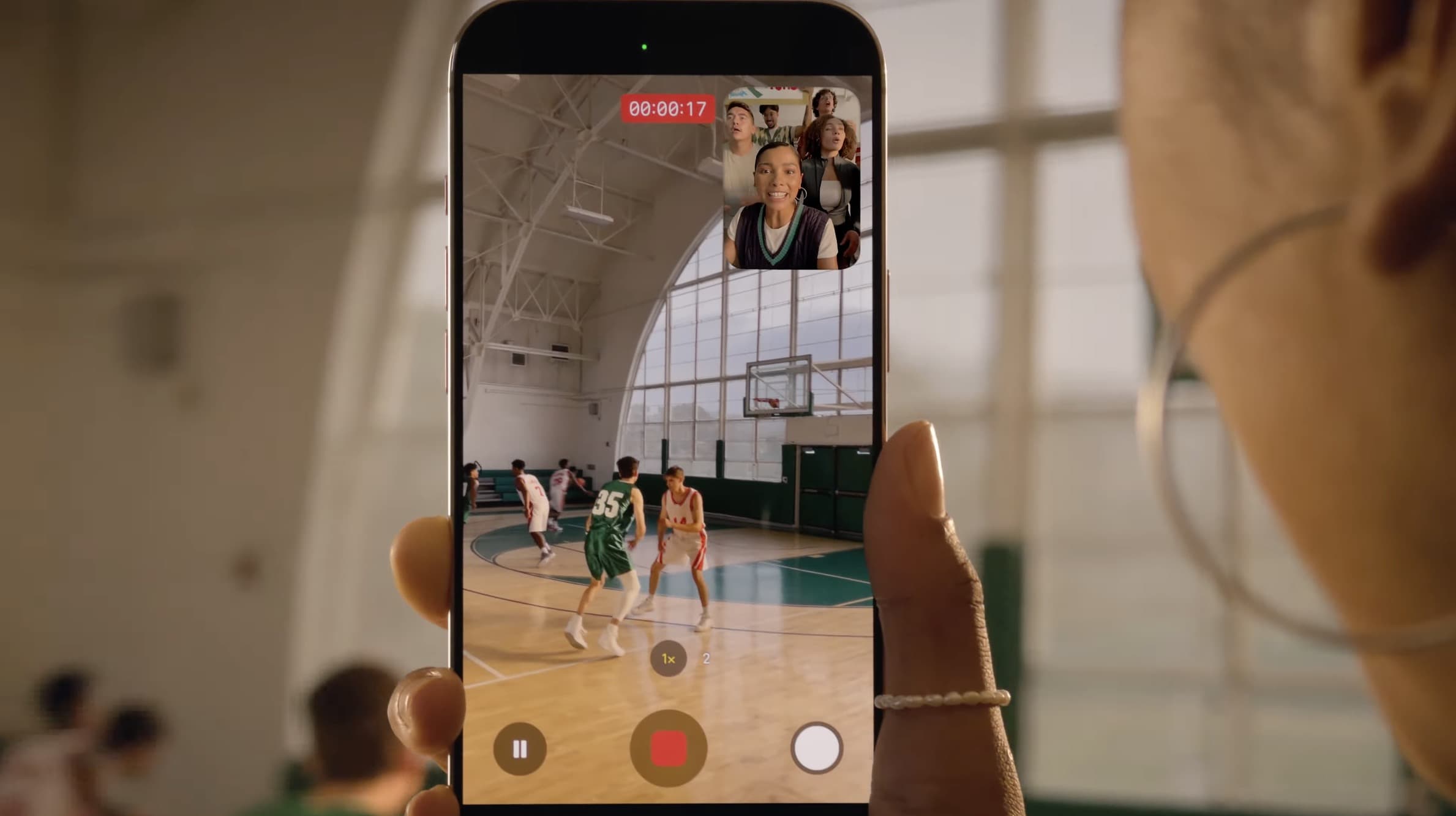
One of the headlining features of the new iPhone lineup is the all-new Center Stage front camera. This camera now uses a square image sensor, meaning that you can switch between portrait photos and landscape photos without having to rotate the phone. The sensor is also now 18MP, so your photos will always be high resolution.
The square sensor and higher resolution enables Center Stage on iPhone for the first time. Like on iPad, this means that the camera will automatically adjust the frame to keep you visible on a FaceTime call or other video call. But Center Stage also works when taking selfies: the camera will automatically adjust the frame and switch between portrait and landscape depending on who is in the frame. When recording a video, it will also be ultra-stabilized, similar to Action Mode on the back camera.
Finally, a new dual capture mode finally allows you to record video on both the front and back cameras at the same time.
With , Apple has introduced its first in-house wireless chip. In addition to improving overall wireless performance and reliability of features that rely on this chip (such as Personal Hotspot and AirDrop), this new chip in now has Bluetooth 6 instead of 5.3.
also now has a precision dual-frequency GPS for more accurate and reliable GPS functionality, and it adds support for NavIC in India.

is the first iPhone to get Apple’s new C1X modem , an enhancement to the C1 modem from iPhone 16e. C1 already provided faster and better performance than existing Qualcomm modems, and Apple that C1X is up to 2x faster than C1, all while using 30% less energy than the previous Qualcomm modems.
There is one disadvantage, however: C1X does not support mmWave 5G, so you are limited to sub-6GHz speeds.
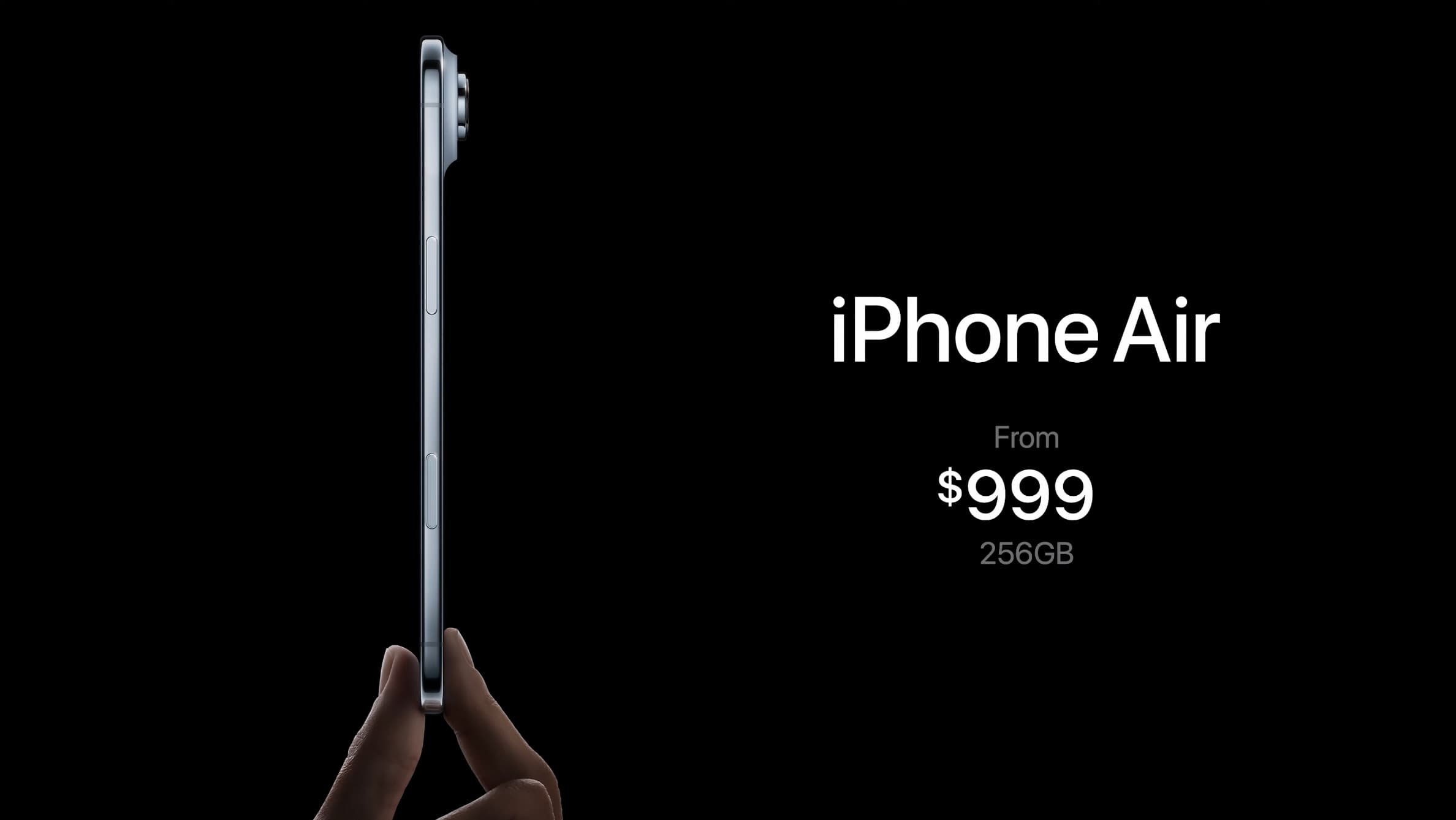
starts at $999 with 256 GB of storage, the same price as with 256 GB of storage. However, there is no $899 128 GB option like there was with the 16 Plus. You can get 512 GB for $1,199, which is also the same as the 512 GB iPhone 16 Plus. Finally, there is also now a 1TB option for $1,399.
is available for purchase online and in stores now.
My favorite Apple accessories:
FTC: We use income earning auto affiliate links. More.