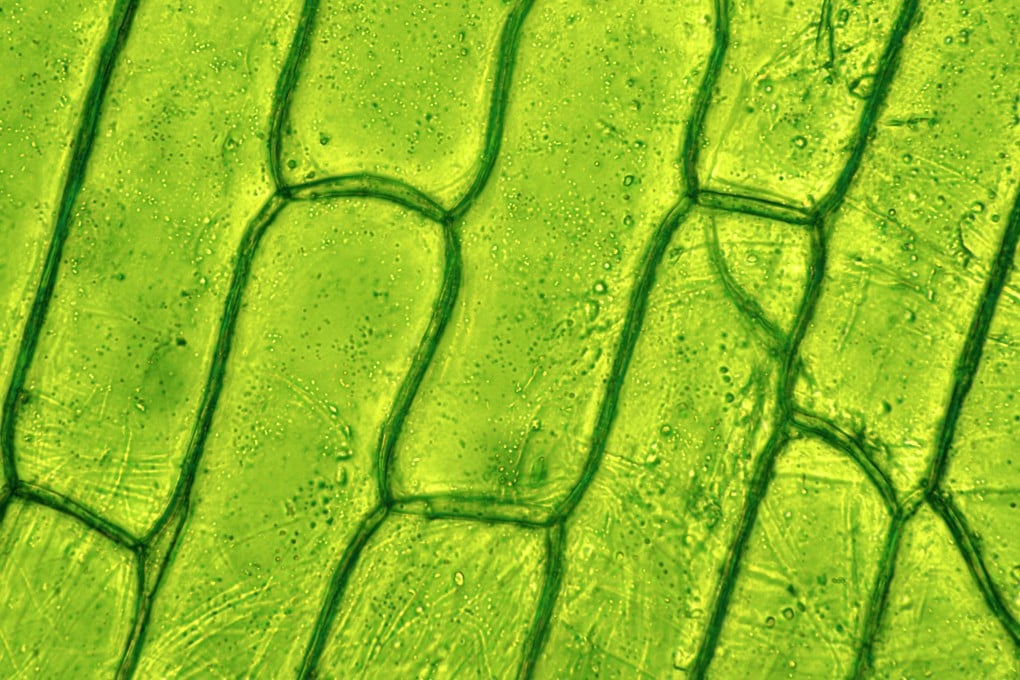
Scientists in China and the Netherlands say they have discovered how a single plant cell can regenerate into an entirely new plant by flipping two genetic switches.
Researchers at Shandong Agricultural University and BGI-Research in China collaborated with peers at Radboud University in the Netherlands and published their findings in the peer-reviewed journal Cell last month.
The formation of an embryo from a single cell is one of the most profound processes in biology, they wrote.
This ability was thought to belong only to fertilised eggs. But in plants, differentiated somatic cells – referring to all the cells other than sperm and egg cells – can regain this ability and initiate embryogenesis under appropriate conditions. This phenomenon is known as somatic or non-reproductive embryogenesis.
Choose your listening speed
Get through articles 2x faster