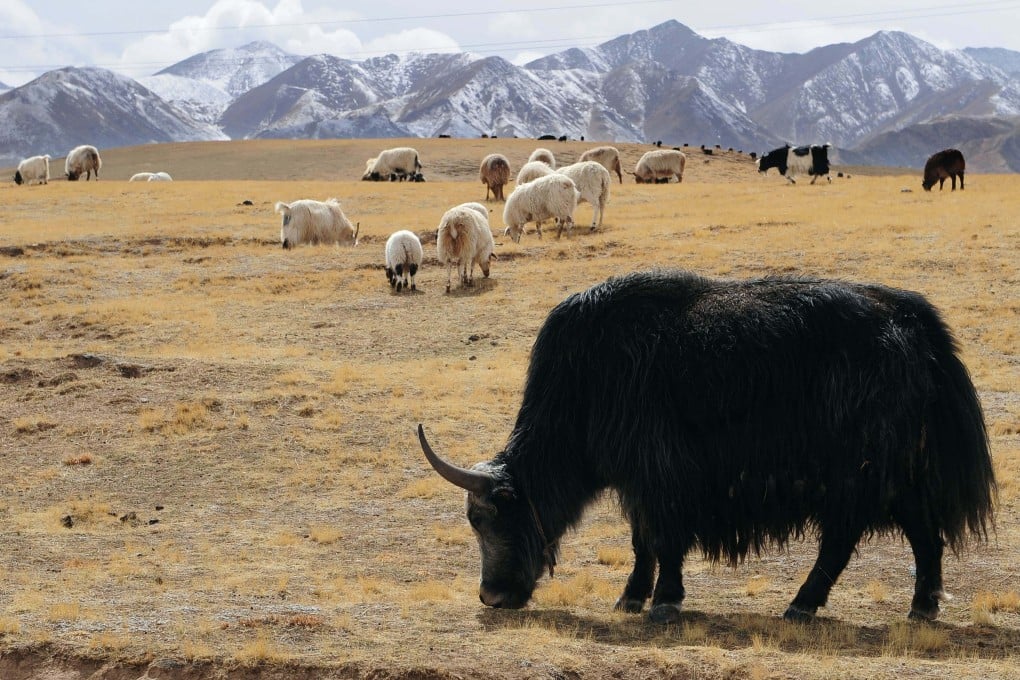
Hidden in the frozen highlands of the Qinghai-Tibet Plateau – often called the “Third Pole” – lies an unexpected trove of biological innovation: animal poop.
They include novel strains that have the potential to degrade cellulose – used for paper, cardboard and clothing – and other strains that could help reduce methane emissions from livestock production.
“Our results showed that animals living in harsh environments are promising sources for the discovery of novel biological functions of gut-residing microbes,” they wrote in an article published in the peer-reviewed journal Microbiome this month.
“Our study presents the first blueprint of the gut microbiota of native mammals at the Qinghai-Tibetan Plateau, termed the Third Pole.
Choose your listening speed
Get through articles 2x faster