New MTT GPUs in December

Moore Threads has confirmed that it will unveil a new GPU architecture at its first MUSA Developer Conference (MDC 2025) in Beijing on December 19–20. The event centers on the company’s MUSA platform, with founder and CEO Zhang Jianzhong set to present the long term GPU strategy and product roadmap. The company promises a new generation of GPU architecture and an updated product lineup, but so far has not named specific boards.
For gamers, this announcement follows a rough first generation. Moore Threads already sells several desktop GPUs, led by the MTT S80 , which launched in 2022 as China’s first retail gaming card and the first consumer PCIe 5.0 x16 GPU, with 16 GB of GDDR6 memory and 4,096 MUSA cores. Below it sit the cheaper MTT S70 and entry-level MTT S30 , while professional users get models such as the MTT S3000, S4000 and S90 accelerators. On paper the S80 targeted GeForce RTX 3060 class performance, but early testing often placed it closer to older GTX 1050 Ti or GTX 1650 level hardware, and in some games it lagged even further behind.
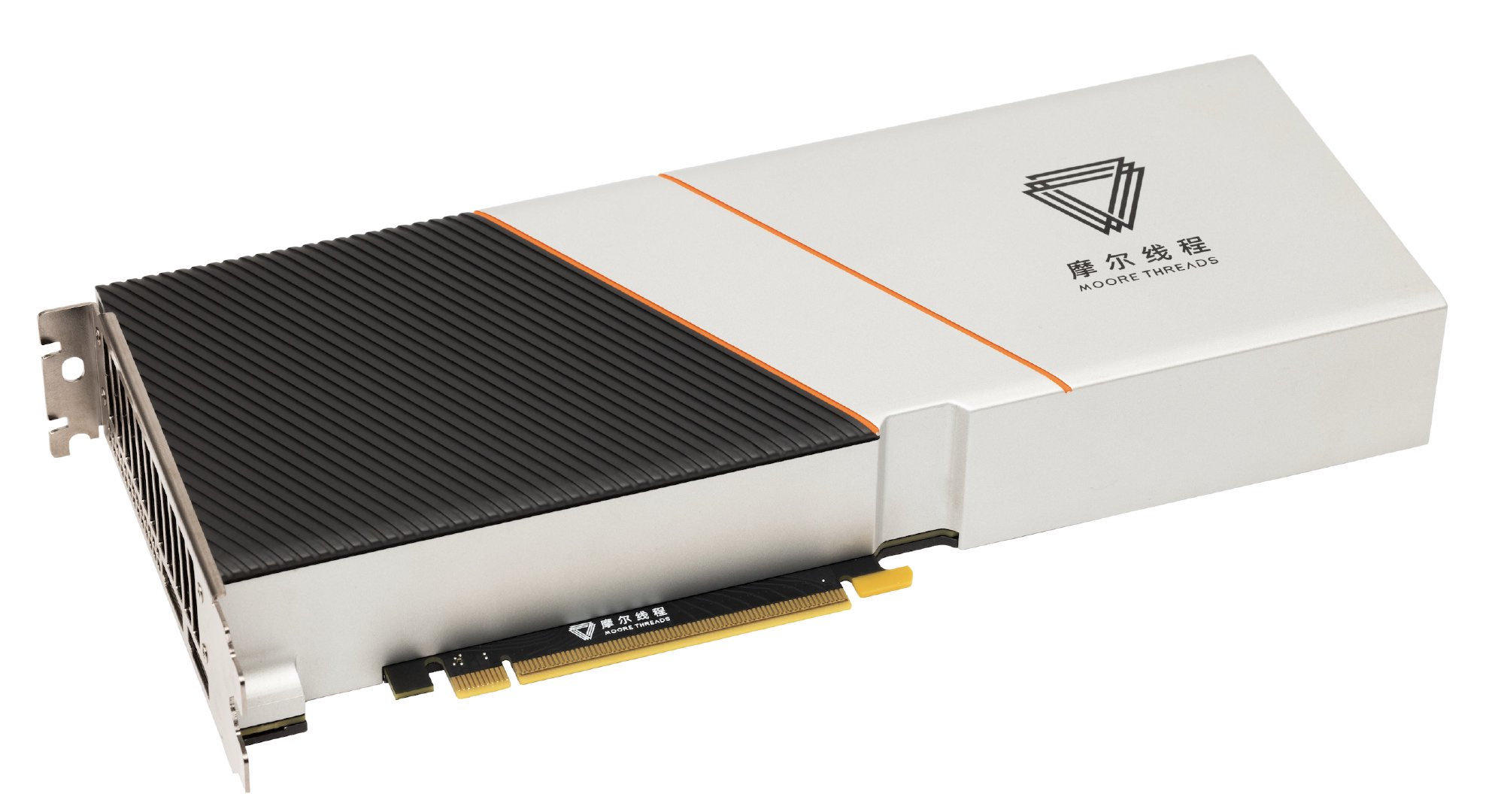
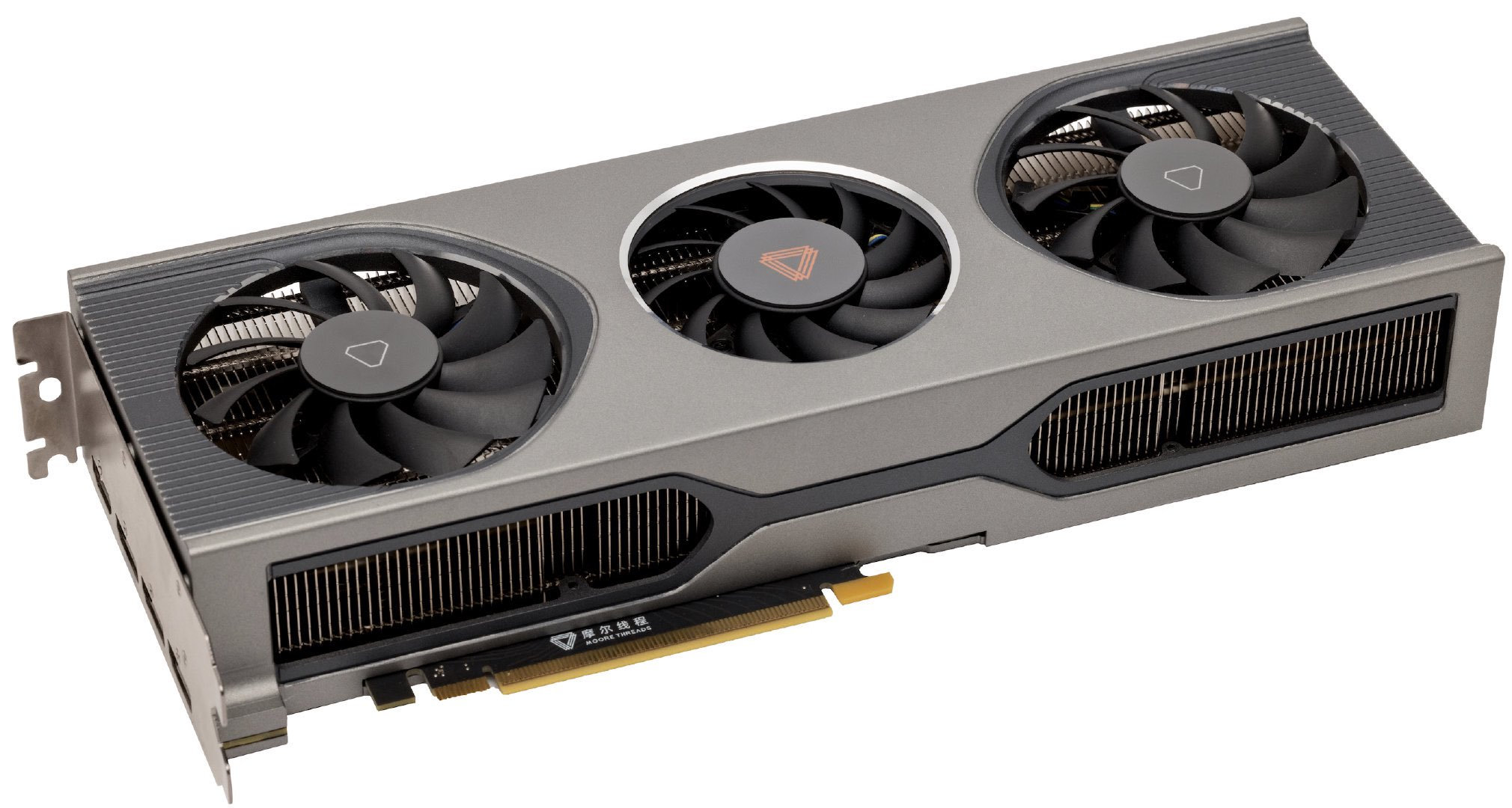
Source: Moore Threads
The core problems were drivers and efficiency. Early drivers had limited API support, missing features and a narrow list of compatible games, with some titles barely running at acceptable frame rates. Power consumption was also a concern, with reports of idle usage above 100W and load draw over 200W for performance that did not match that power budget.
Moore Threads has since pushed a series of large driver updates that added broader DirectX support, expanded the game list and delivered big relative gains in selected titles, including benchmark and AAA game improvements measured in double or triple digit percentages. These updates lifted the S80 closer to mainstream NVIDIA cards in some cases, but it still trails them in many modern games and has not shed its reputation for high power draw.
The MDC 2025 agenda, however, focuses on AI computing, scientific workloads, intelligent terminals and large scale deployment tracks, with no clear mention of new gaming product s. That suggests the new architecture may first appear in workstation and datacenter accelerators, while any second generation gaming cards based on it will need clear progress in drivers and power efficiency before they can challenge established players in the consumer market.
Still, we are rooting for Moore Threads to deliver a competitive modern GPU that supports all major graphics APIs. It does not have to be the fastest GPU, nor the most efficient, it just has to be priced right for what it offers.
Source: Moore Threads
