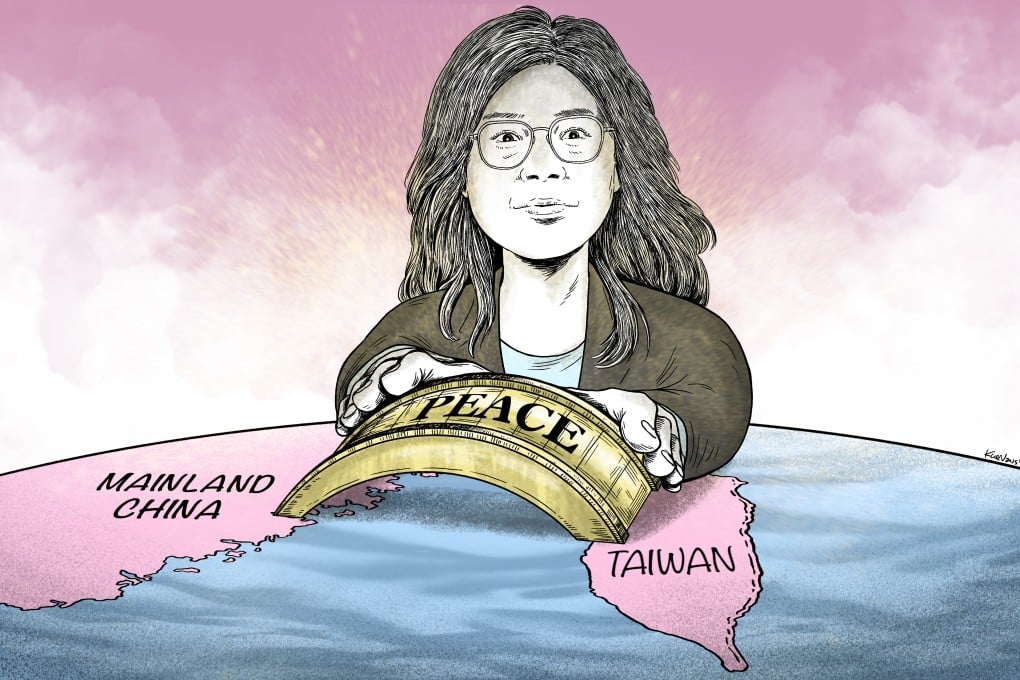
In a rare gesture that went beyond the usual general wording about promoting cross-strait relations, Xi called for a joint effort to promote reunification.
Cheng is expected to visit the Chinese mainland soon, where she is likely to meet Xi following a precedent set by her two predecessors.
Analysts believe Beijing sees a new opportunity in the victory of Cheng, who has voiced a strong Chinese identity and vowed to promote cross-strait reconciliation, in sharp contrast to the stance of Taiwan’s ruling, independence-leaning Democratic Progressive Party (DPP).
In recent months, Beijing has launched a series of initiatives aimed at swaying Taiwanese public opinion and its latest five-year plan reiterated its view that reunification was a national goal.
Yet challenges loom for Cheng, the KMT’s second female leader and an unconventional figure expected to shake up the 100-year-old party. She is already faced with internal resistance, pressure from coming local elections, and the delicate task of navigating ties with both Beijing and Washington.
SCMP Series
[ 2 of 2 ]