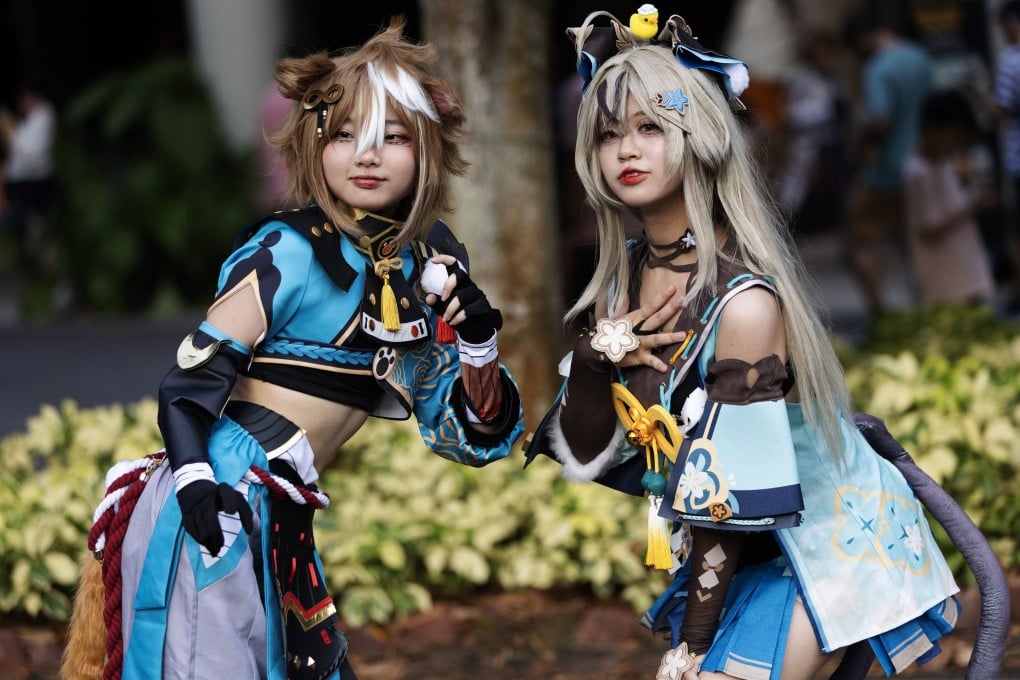
For Sana Kok, anime has always been more than entertainment.
The 28-year-old Malaysian still remembers the first series he caught on television as a child: the bright colours, larger-than-life characters and cinematic storytelling unlike anything else he had ever seen. By his teens, action-packed anime titles had become a fixture of his evenings.
“Anime has some of the best storytelling out there,” said Kok, now a digital marketer who sees his childhood fascination reflected in a new wave of Southeast Asian fans, many introduced to the genre by the rise of streaming platforms.
In the Philippines , 29-year-old Enrico Antonio saw anime’s popularity surge during the 2010s as major titles became widely available online. Having spent much of his youth in the birthplace of anime, Japan , he knows how teenage fandoms can mature into lifelong commercial devotion.

“If you’re into merch-driven series like Mobile Suit Gundam , you’re almost guaranteed to spend,” he said, referring to a long-running anime franchise. At one point, he splurged around US$200 on a limited edition Gundam model kit.
Once something of a niche subculture, anime has transformed into a regional commercial force and a vehicle for Japan’s soft power, industry insiders say.