We have put together stories from our coverage on electric and new energy vehicles from the past two weeks to help you stay informed. If you would like to see more of our reporting, please consider .
China could see its first flying car begin carrying paying passengers in 2026, as government backing and a growing pipeline of electric vertical take-off and landing (eVTOL) vehicle makers push the country’s “low-altitude economy” closer to commercial reality.
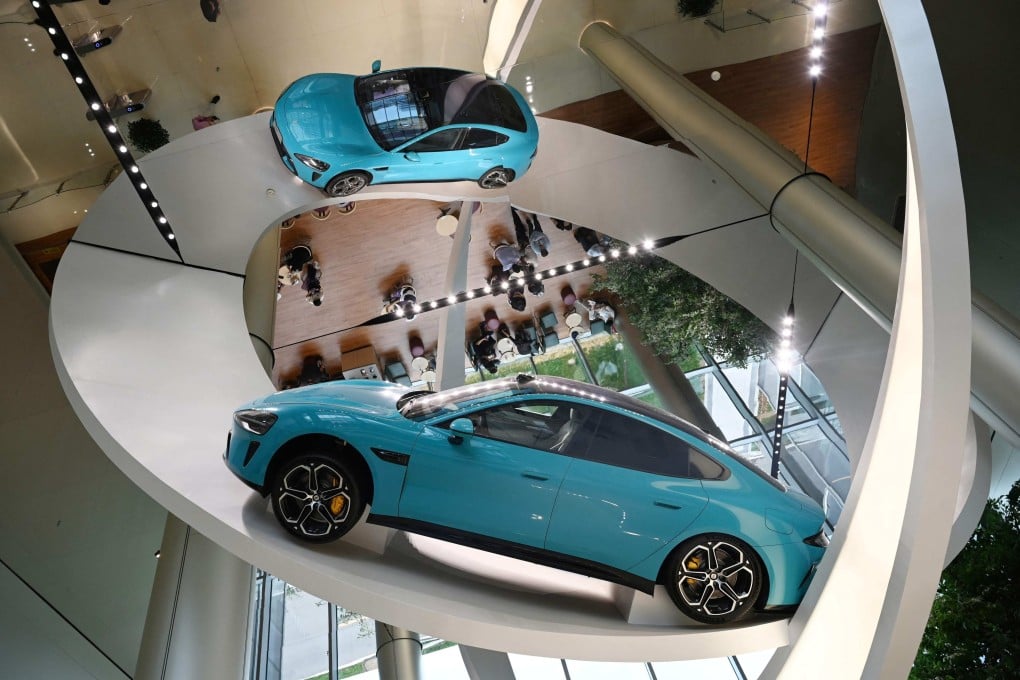
2. Xiaomi’s SU7 becomes China’s first Tesla killer, outselling the Model 3
After five years of playing catch-up, China has produced a worthy “Tesla killer”, a massive achievement for the country’s premium electric vehicle (EV) makers that is set to stoke national pride.
3. Beijing-Ottawa deal reinforces China’s dominance in EV industry, analysts say

Beijing and Ottawa reached a “landmark” trade agreement last month, slashing tariffs on Chinese electric vehicles, in a move analysts said further cements China’s dominance and suggests the US decline in the global EV market.