
and
Public anger in the Philippines over the multibillion-peso flood-control scandal has reopened a debate that has simmered for years: will this finally force politicians to tackle a tax system many Filipinos see as unfair, inefficient and tilted against them?
A Senate inquiry late last year heard that politicians and local officials had worked with contractors to siphon off at least 200 billion pesos (US$3.5 billion) earmarked for flood-control projects across the country, with some structures allegedly never built, poorly constructed or placed in the wrong areas.
The revelations – touching a programme meant to shield communities from chronic flooding – drew thousands into the streets to protest what they called the theft of “people’s money”.
Since then, tax reform has re-emerged as part of the public conversation.
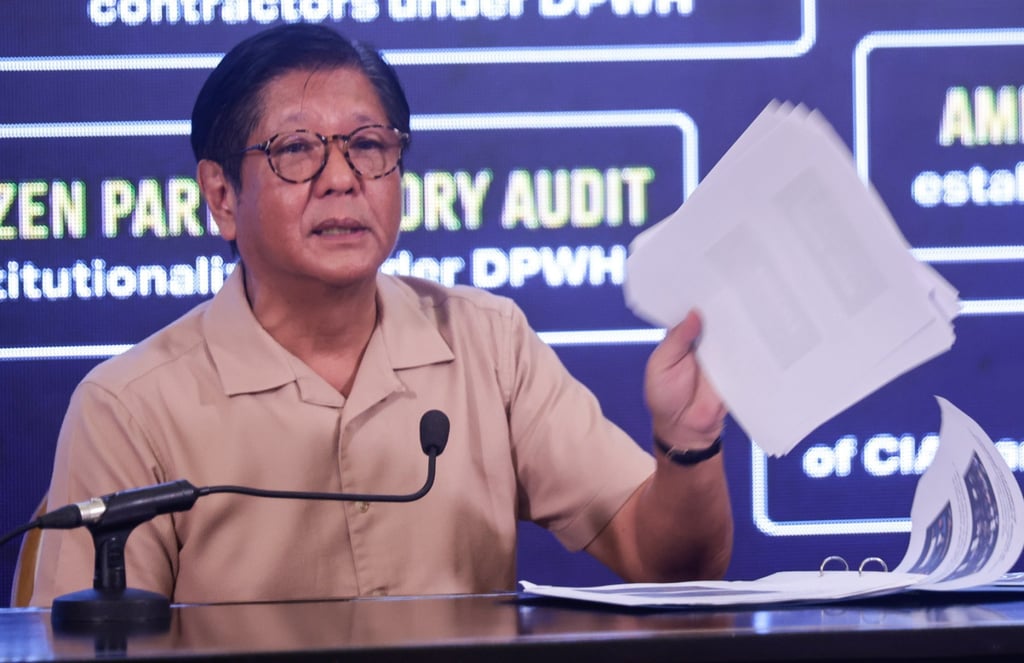
On Tuesday, President Ferdinand Marcos Jnr allowed congress to fast-track a bill abolishing the travel tax, long criticised by overseas Filipino workers and holidaymakers.
For some, the move signalled responsiveness but for others, it looked cosmetic.