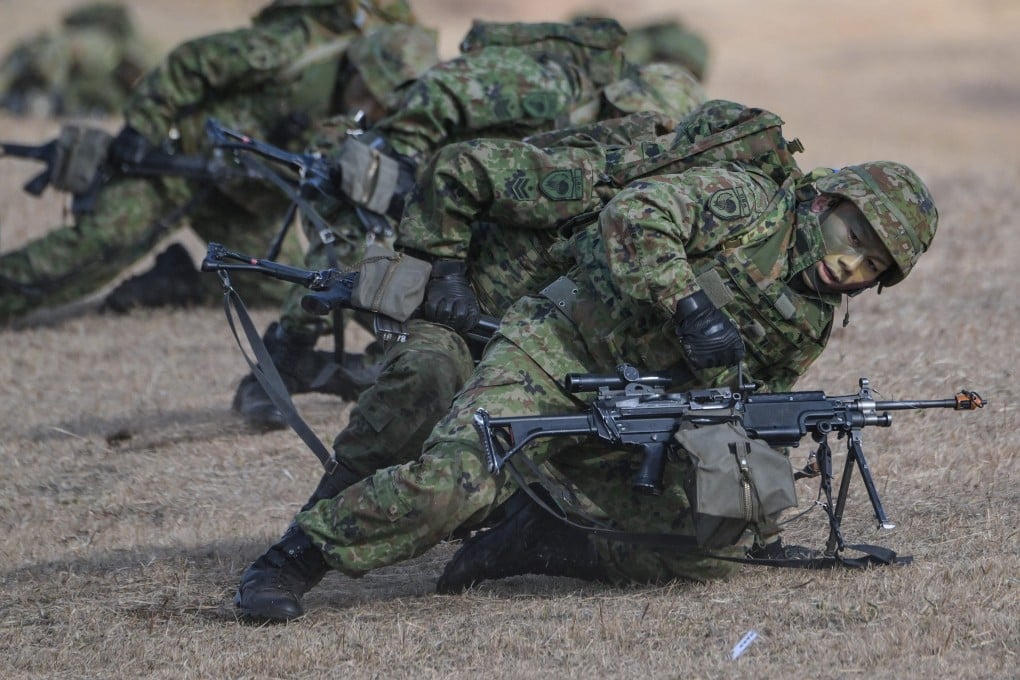
Officials and analysts say the move signals an operational shift away from simple bilateral engagements towards tight-knit “minilateral” security coordination among US allies, with a growing focus on remote island defence and contingencies in the Taiwan Strait and the South China Sea.
The drills are scheduled to run in two phases – the first from April to May and the second in June following the larger Balikatan exercise – covering joint combined arms training, humanitarian assistance and disaster response, capacity building and expert exchanges.
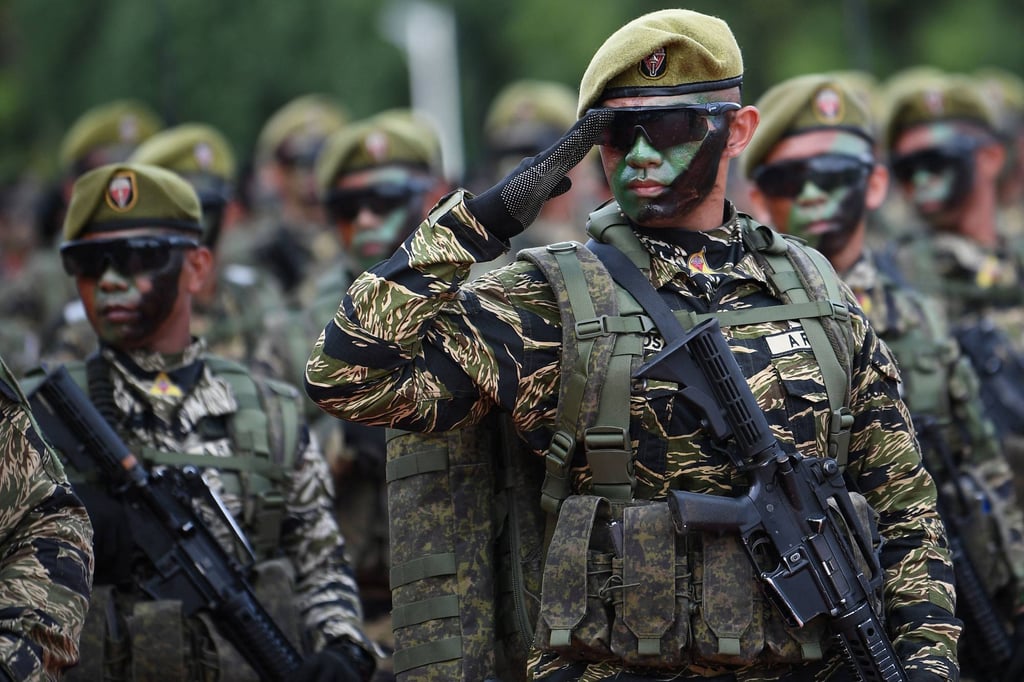
Nafarrete said Japan’s inclusion added a new layer of strategic coordination. “It is more about knowing our interoperability with the Japanese Army. This is the first time. Knowing your friend,” he told reporters.