記得之前談過 ,在 T3 過後應為「歷史不可改」,所以之後的故事順著下去就可以。但這背後有一點尷尬:既然歷史不可更改,那送人回去又有何用?但不送人回去,就沒有 Skynet 和 John Connor 了?因果纏結得一團糟。
即使變成是 T2 的「
記得之前談過 ,在 T3 過後應為「歷史不可改」,所以之後的故事順著下去就可以。但這背後有一點尷尬:既然歷史不可更改,那送人回去又有何用?但不送人回去,就沒有 Skynet 和 John Connor 了?因果纏結得一團糟。
即使變成是 T2 的「
.jpg)
One of the reasons that alerting is a tough problem to solve well iswhat I'll call the dependency problem. It goes like this: imagine thatyou have a nice monitoring system and it's keeping track of all sortsof things in your environment. One day you get a huge string of alerts,reporting that server after server is down. Oh, and also a networkswitch isn't responding.
Of course, the real problem is that the switch has died. It's beingcamouflaged behind
Suppose that you have a Solaris fileserver and a bunch of NFS clients(in this case they're Linux machines, but I don't think it matters).Perhaps one or two of them are Samba servers. Further suppose that yourclient machines start reporting things like ' fcntl() failed: No locksavailable '. What is limiting you, and what do you do about it?
(We'll assume that you use tools like lslk to rule out some process ona client machine holding on to
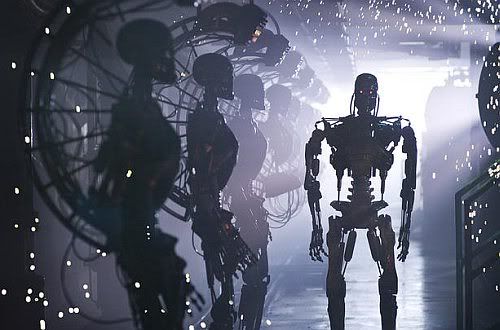
《未來戰士》系列重新上路,已經不可能再用舊有故事模式,所以這次是新的三步曲,時間背景是人機混戰的未來,帶我們真正經歷 Skynet 的天羅地網下,人類掙扎求存的實況。然而不知是否基於先天的限制,故事卻以乎玩不出甚麼
It's worth saying this explicitly: monitoring systems have two differentpurposes, one of which is sort of a subset of the other (but notnecessarily).
The first purpose of monitoring, and what many people initially installa system for, is alerting, letting you when there are problems. Thesecond purpose of monitoring is tracking, gathering ongoing data forhistorical analysis; this is part of the vital work of gettingstatistics . Put this way, it's clear that these twooverlap (sometimes badly )
較早前,在Twitter看到各方網友散「料」,爭相告知Samsung有一Blogger優先試用產品的活動,可選的包括了兩款當時還未正式推出的Mini Notebook,看到這單料時,當晚我查實正在上課,我一方面展示給學生們Twitter這渠道作為營銷平台散「料」之快外,
