I'm excited for Intel after testing the XPS 13
Shortly after Apple launched the budget MacBook Neo , Dell announced their response, a new low-end XPS 13 .

Matching the Neo's current pricing, it starts at $699, or $599 with an educational discount. That discount is currently set to expire on November 2, and with the current component pricing insanity, I'd be surprised if we don't see a price increase on both laptops by next year.
I ran the XPS 13 through my gauntlet of benchmarks
Proxmox officially supports Arm, with some caveats
Proxmox today announced their Proxmox Virtual Environment is now available for 64-bit ARM .
I tested it on my Ampere Altra Dev Platform —the same machine on which I've booted Windows on Arm the first time, messed with multiple GPUs, and most recently tested Houdini's native arm64 support .

Install was easy, as the Ampere Altra uses UEFI / ACPI for its hardware, meaning Proxmox didn't have to tailor it's ISO to specific platforms, like you have to do with Raspberry
Getting 25 Gbps Thunderbolt Ethernet on my Mac Studio

I've been using the built-in 10 Gigabit Ethernet on my Mac Studio for a few years. It works fine: I can edit 4K video straight off my NAS over the network, and run backups at around 1 GB/sec.
But... I want more . I upgraded my rack and my NAS to 25 GbE a couple years ago, and wanted to upgrade my main workstation, too.
Adding a backup Internet WAN on my OPNsense Router
AKA "Spectrum has gone down two weeks in a row and I'm sick of it".
I've been borrowing a portable 5G gateway from my Dad for a few weeks, for testing... and two weeks in a row, I've used it as a backup Internet option, since my Spectrum Business cable Internet has gone down.
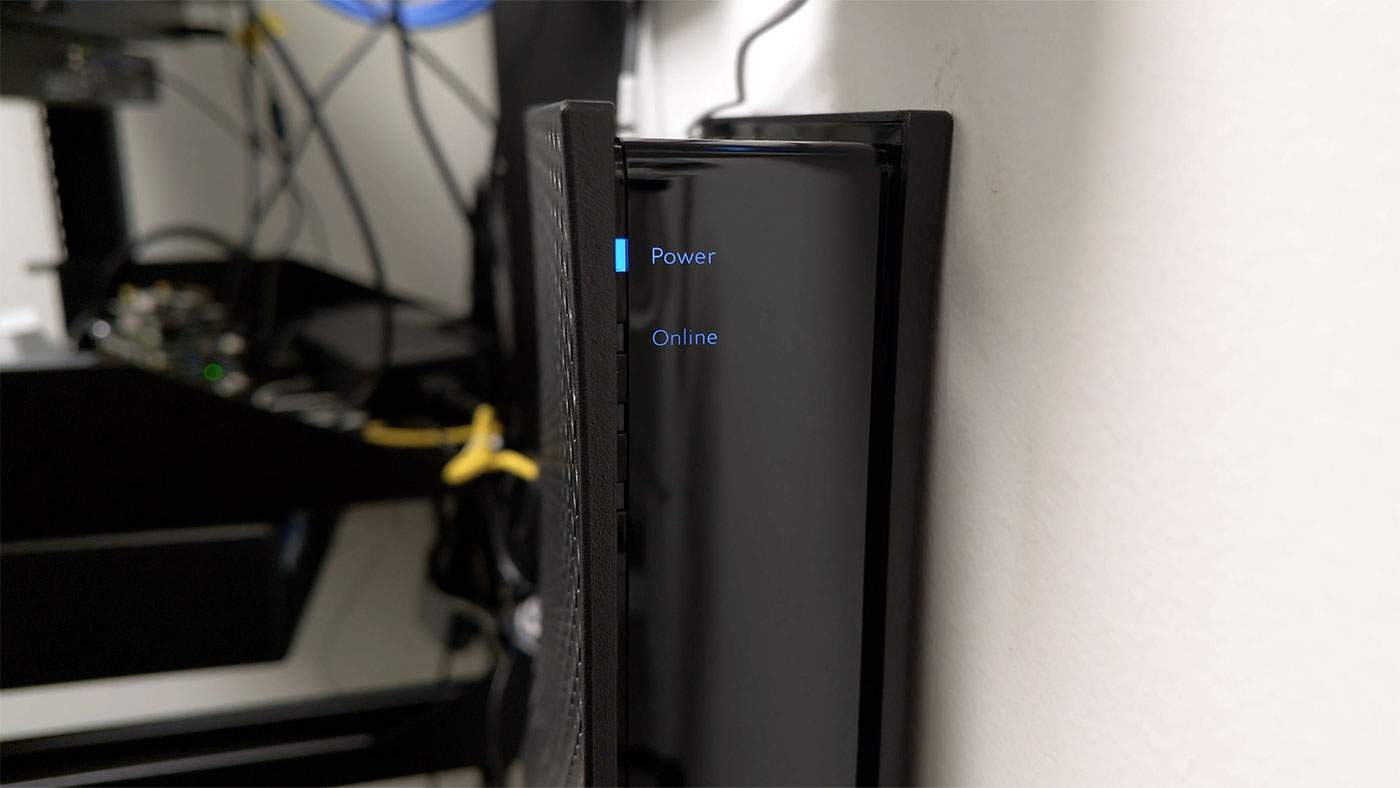
And yes, I'd get AT&T Fiber if I had the option, sadly they don't yet provide service at my studio.
Open Sauce and GPS time were my summer AI Antiseptics
In the midst of our AI slop revolution, traveling to the West coast for Open Sauce this past weekend was the perfect antiseptic for rising costs, summer heat, and online divisiveness.
It's ironic, then, that I used Claude to vibe code my Tufty GPS Time Badge .
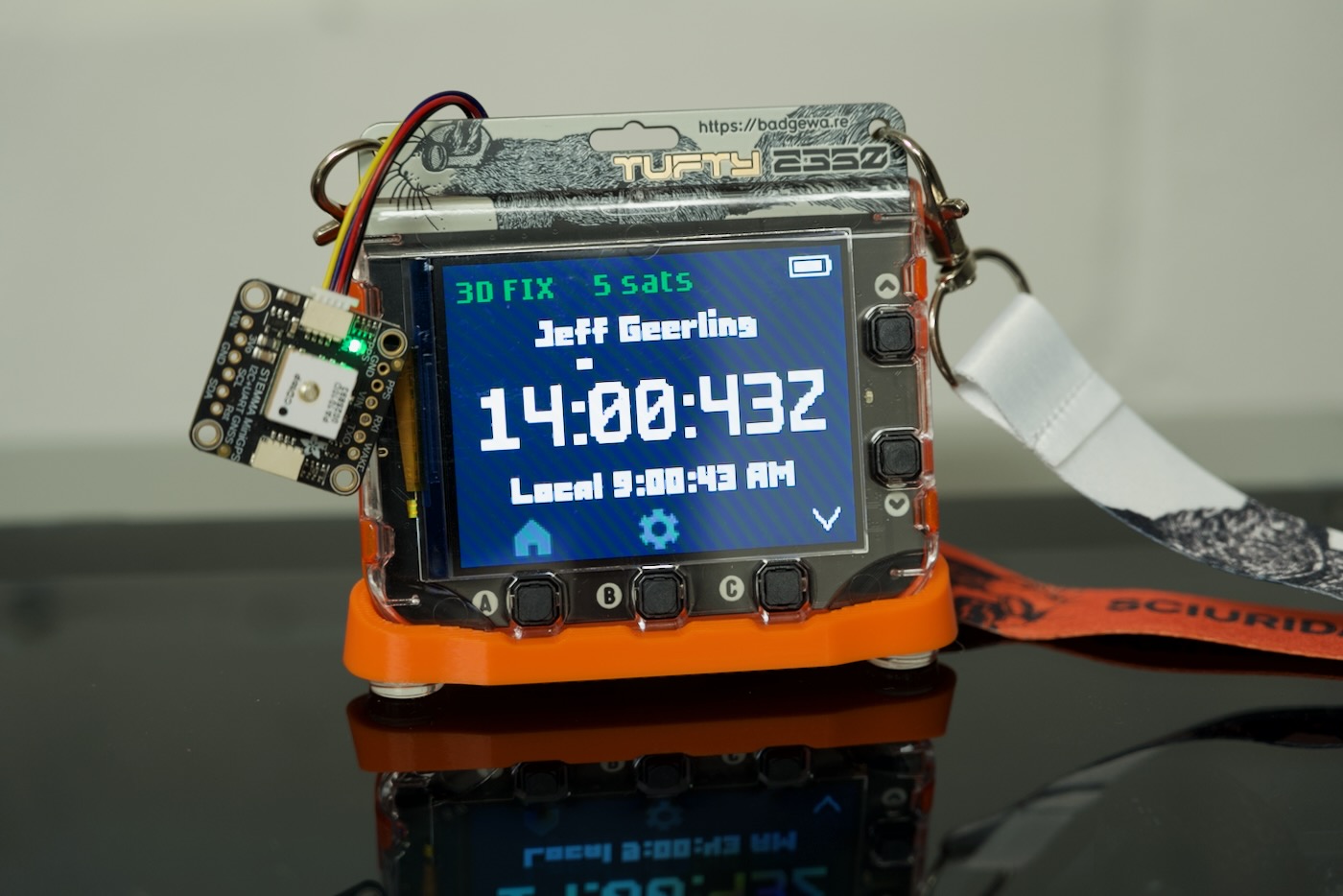
Partly due to time constraints, and partly because I wanted to see if I could complete a personal project end-to-end, without editing a line of code, I throw my requirements at Claude and ultimately came up with this
QuadRF can spot drones and see WiFi through my wall

The QuadRF (pictured above) a phased-array radio built around a Raspberry Pi 5 and an FPGA board with picosecond-level timing. It does advanced signal processing and beamforming.
It can see WiFi through walls and track drones in flight.
If the open source community can come up with something like this, just imagine what governments are capable of.
When you plug a computer into a network, tools like Wireshark can show all the hidden traffic you might not even know is there. WiFi packets are the same,
The Special Value Pi 4 was extremely short-lived
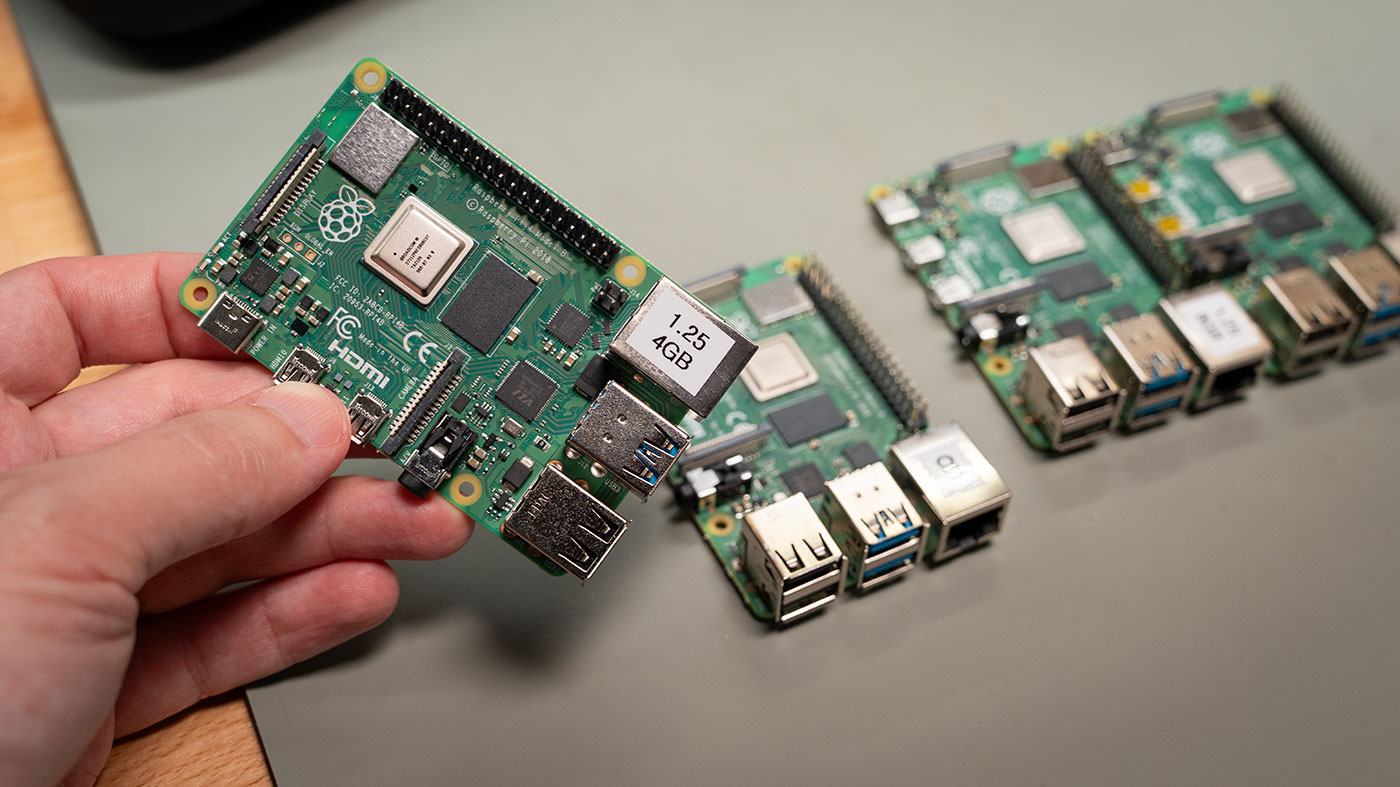
The 'Special Value' Pi 4 pictured above is probably the rarest Raspberry Pi I own—even rarer than my blue special edition Pi .
A Raspberry Pi reseller briefly listed a special 'value edition' Pi 4 . But the product page 404's now. While it was up, my curiosity got the better of me, and now I have two 'value' Pi 4s.
What makes them a 'value'? They're only certified to run at 1.25 GHz (
Quickly apply LUTs (color grading) with ffmpeg
This is a quick post, mostly for my own reference.
I've avoided LUTs and 'Log' video footage for years 1 , mostly because of the extra tiny bit of workflow involved. Like RAW photos, 'Log' footage retains the video sensor's full dynamic range, so you can pull more color and luminance information out of the footage later.
But unlike photography, where RAW has been a thing for decades, and many workflows 'just work' without me having to 'grade' every individual

Framework's 10G Ethernet module exposes USB-C's complexity
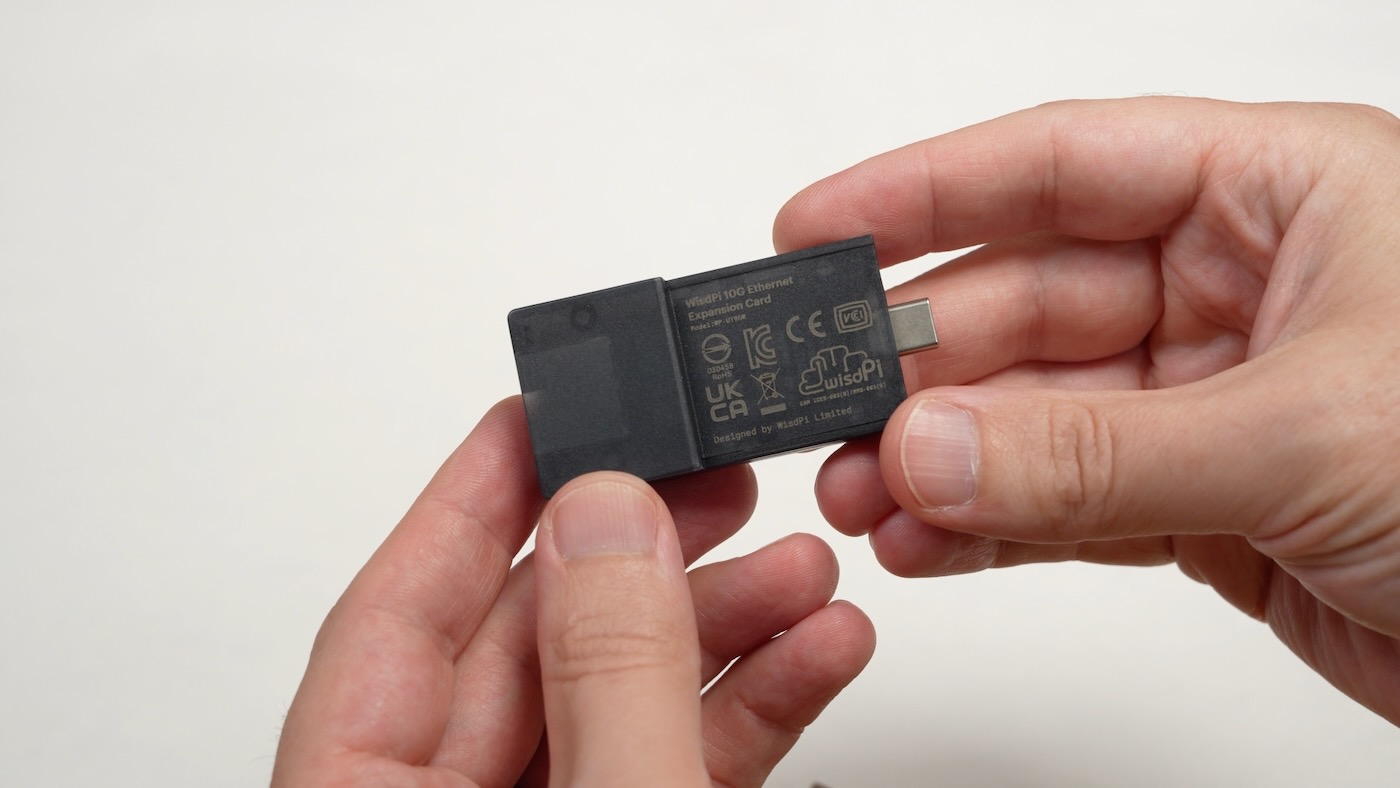
I've been following WisdPi's development of various 5 Gbps and 10 Gbps Ethernet adapters for the past couple years.
They use newer Realtek Ethernet chips, which sometimes have performance quirksâmost frequently encountered under Linux.
In today's video, I tested the new WisdPi 10G Ethernet Expansion Card for Framework computers. It fits in any available Framework Expansion slotâeven on the Framework Desktop.
But Expansion Cards use USB-C for their connection to the mainboardâ
You can finally power on a Mac remotely
Apple FINALLY lets you turn on your Mac remotely , without having to press the power button. In the media, articles suggest it's a reaction to Mac mini power button complaints .
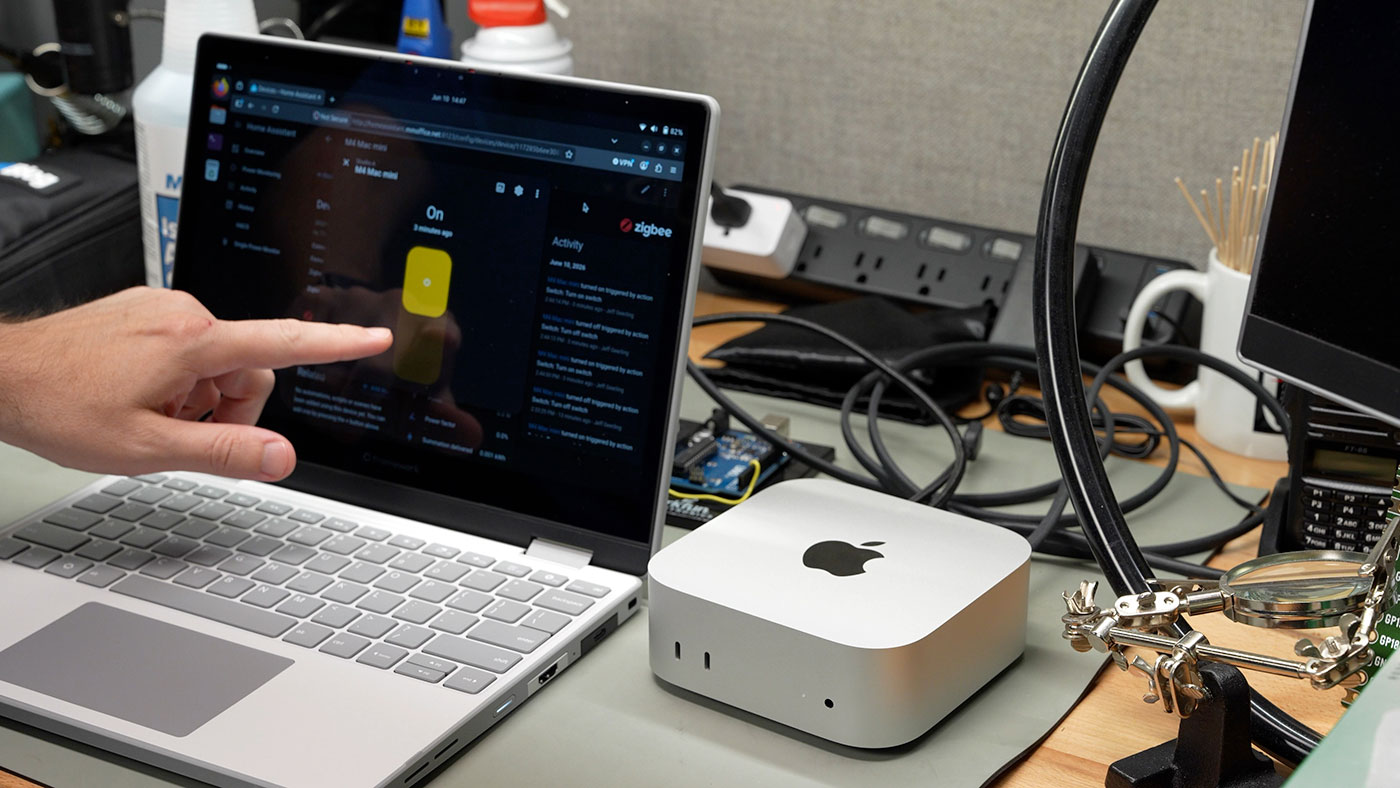
While I agree the M4 mini's power button is in a really dumb spot, that's not why I care about this feature. The two bigger use cases for me have been a pain for years:
- Remote Macs in a lab/CI environment, where I don't need them running 24x7