Using AMD GPUs on Raspberry Pi without recompiling Linux
I'm working on a more in-depth test of some newer AMD GPUs on the Raspberry Pi, now that the 15 line kernel patch is (IMO) nearly ready for upstreaming.

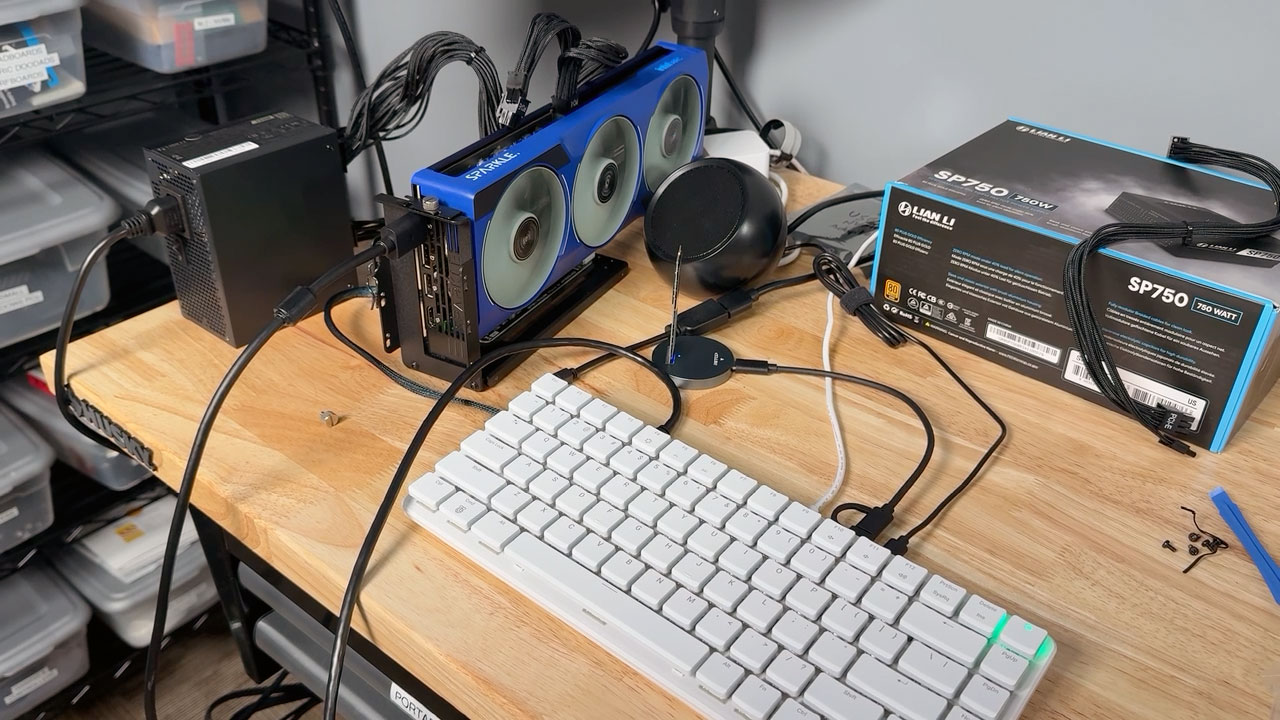
But this blog post shows how to quickly get almost any modern AMD GPU running on a Raspberry Pi 5, CM5, or Pi 500+, thanks to this patch on the Pi Linux fork .
Note: This patch actually enables AMD and Intel. I wrote about how to get Intel Arc GPUs running on
All Intel GPUs run on Raspberry Pi and RISC-V

We finally have Intel Arc GPUs working on the Pi somewhat stablyâit required overcoming many small hurdles, but it looks like support could land in Raspberry Pi OS if we can get a simple patch upstreamed 1 . If that happens, all you'd need to do to use an Intel card on a Pi is install a firmware package.
The cards I've spent the most time with so far are:
Minisforum stuffs an entire Arm Homelab in the MS-R1

The Minisforum MS-R1 uses the same Cix CD8180 Arm SoC as the Orion O6 I reviewed earlier this year . But everything else about this thing is different.
What this thing should be, is a box that runs Linux and can compete with at least an Apple M1 Mac mini, or a mid-range Mini PC. But what we got ... is something different.
Video
Hate reading? I also published a video on the MS-R1 on my YouTube channel
Converting hot dog plasma video to sound with OpenCV
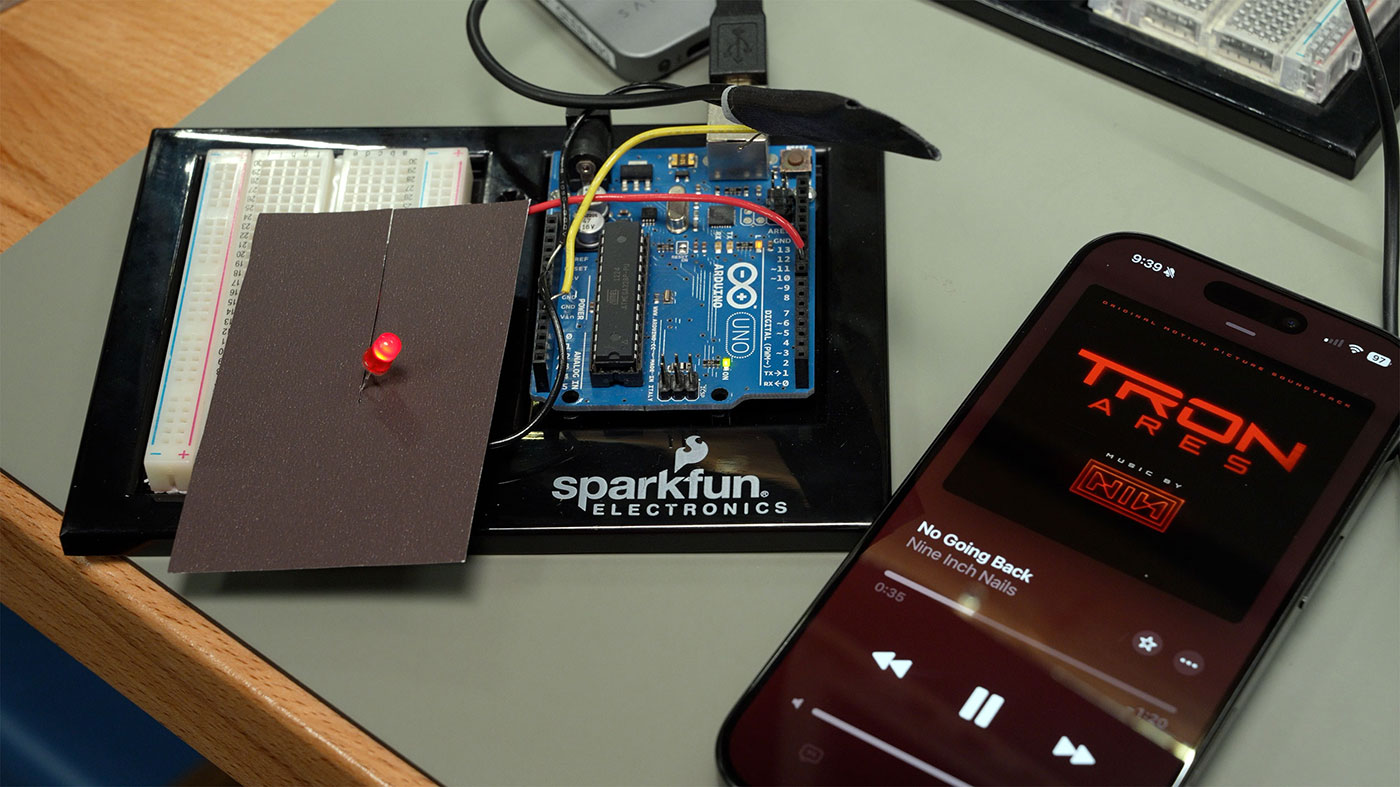
When you ground a hot dog to an AM radio tower, it generates plasma.
While the hot dog's flesh is getting vaporized, a tiny plasma arc moves the air around it back and forth. And because this tower is an AM tower, it uses Amplitude Modulation , where a transmitter changes the amplitude of a carrier wave up and down. Just like a speaker cone moving up and down, the plasma arc from the hot dog turns that modulation into audible sound
It's not that hard to stop a Trane
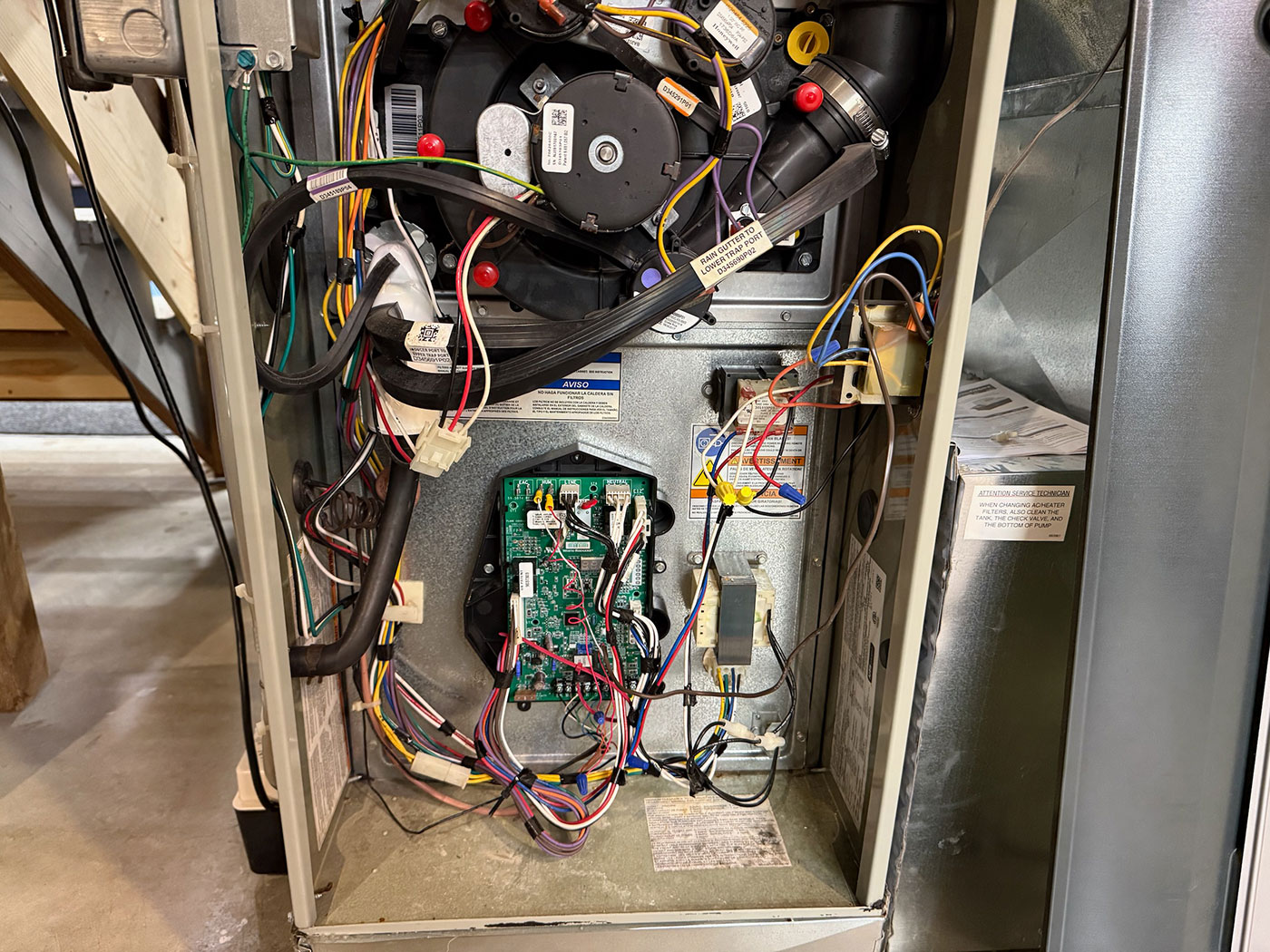
Six years ago, I replaced the old HVAC system that came with our house, a central forced air system installed in 1995 1 .
The new system is a Trane XR AC paired with an S9V2 96% efficiency forced-air gas furnace . And it ran great! Better efficiency, quieter, multiple fan speeds so I can circulate air and prevent stale air in some parts of the house... what's not to love?
Well, apparently the engineering:
And yes
The Arduino Uno Q is a weird hybrid SBC

The Arduino Uno Q is... a weird board. It's the first product born out of Qualcomm's buyout of Arduino .
It's like if you married an Intel CPU, and a Raspberry Pi RP2040 microcontrollerâoh wait, Radxa's X4 did that .
Arduino even tried it before with their old Yún board, which had Linux running on a MIPS CPU, married to an ATmega microcontroller.
The Uno Q isn't quite a
Why do some radio towers blink?
One day on my drive home, I saw three towers. One of them had a bunch of
Recovering videos from my Sony camera that I stupidly deleted

My normal process for transferring video footage from my Sony cameras to my computer is as follows:
- Run a
sonydumpscript that copies all video files from my SD card to my local computer, then runsrm *.MP4in the folder on the SD card, and ejects it. - I copy the files onto my NAS, which has an hourly ZFS snapshot and also backs up that snapshot to my 2nd on-site backup server.
- At the end of the day, I run a sync command that synchronizes all
VCF Midwest was even better than I expected
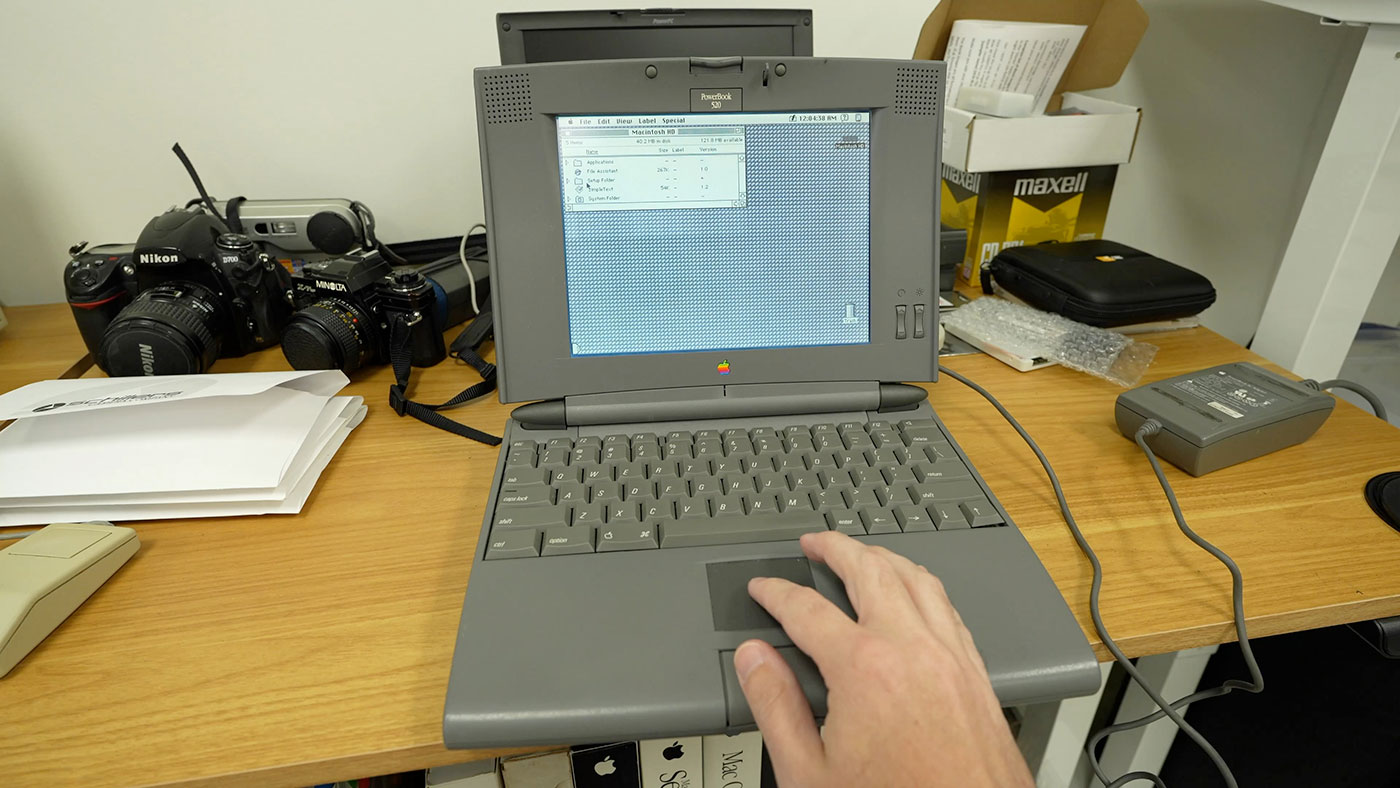
Earlier this year, I inherited a bunch of old Macs and computer parts, including the PowerBook 520 pictured above. And, for the past three years I've been trying to visit VCF Midwest up in Chicago, where there's this odd blend of old computers, radio, broadcast gear... Honestly, it's hard to pin down exactly what it is.
And I also had no idea how overwhelming the two-day event would be. Overwhelmingly awesome , that is.
I saw
Resizeable BAR support on the Raspberry Pi
While not an absolute requirement for modern graphics card support on Linux, Resizeable BAR support makes GPUs go faster, by allowing GPUs to throw data back and forth on the PCIe bus in chunks larger than 256 MB.
In January, I opened an issue in the Raspberry Pi Linux repo, Resizable BAR support on Pi 5 .
Unlike most PCs with a BIOS or UEFI support, the Raspberry Pi should just support BAR resize by default. However, when testing Intel Xe GPU drivers (for Alchemist/Battlemage GPUs)