Multisite Apache Solr Search with Domain Access
Using one Apache Solr search core with more than one Drupal website isn't too difficult; you simply use a module like Apache Solr Multisite Search , or a technique like the one mentioned in Nick Veenhof's post, Let's talk Apache Solr Multisite . This kind of technique can save you time (and even money!) so you can use one Hosted Apache Solr subscription with multiple sites. The only caveat: any site using the solr core could see any other site's content (which shouldn'
Ansible Playbooks for Drupal 8 Testing and Mac Dev
Lately, I've been working a lot with Ansible , a simple but powerful infrastructure management platform. I now use Ansible playbooks and ad-hoc commands to manage all of Midwestern Mac's infrastructure (this site, Hosted Apache Solr , Server Check.in , and many ancillary servers), and as a result, I've started using Ansible for pretty much any kind of work I need to do in developmentâincluding configuring my own Mac, and developing with Drupal 8.
Meet Ansible

For
Dump an entire database with structure only for some tables with mysqldump
I typically use a MySQL GUI like Sequel Pro when I do database dumps and imports working from my Mac. GUI apps often give checkboxes that allow you to choose whether to include the structure/content/drop table command for each table in an export.
When using mysqldump on the command line, though, it's not as simple. You can either do a full dump and exclude a few tables entirely (using --ignore-table , or dump the structures of just one set of tables using the -
Vagrant - NFS shared folders for Mac/Linux hosts, Samba shares for Windows
[Edit: I'm not using rsync shared folders (a new feature in 1.5+) instead of SMB/NFS - please see this post for more info: rsync in Vagrant 1.5 improves file performance and Windows usage ].
[Edit 2: Some people have reported success using the vagrant-winnfsd plugin to use NFS in Windows.]
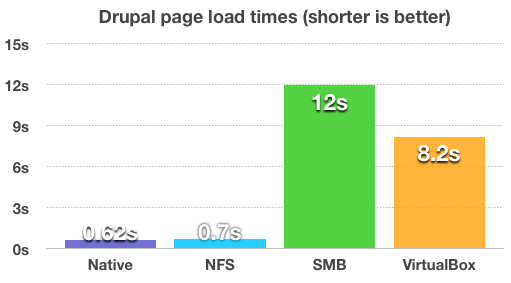
I've been using Vagrant to provision local development and testing VMs for a couple years, and on my Mac, NFS shared folders (which are
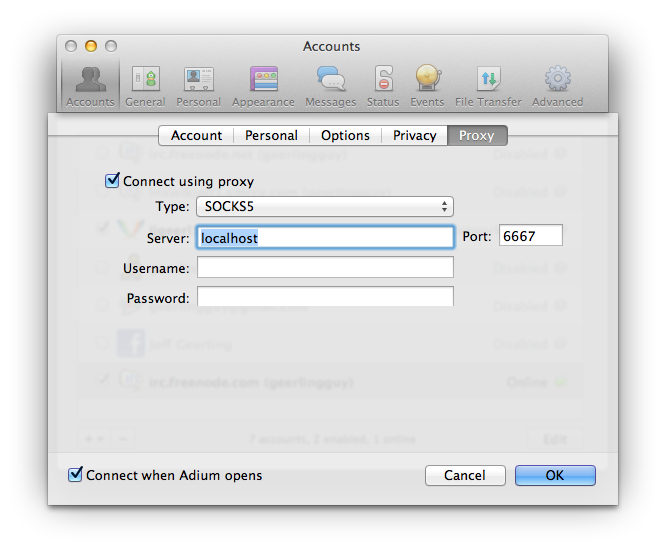
Connect to IRC via Adium when connected through an LTE hotspot
When I'm on the go, I like to use my iPhone 5s as a hotspot, as I get 10-20 Mbps up and down (much better than any public WiFi I've used), and it's a more secure connection than a public, unsecured hotspot.
However, when I open Adium, I'm greeted with:
Notice -- You need to identify via SASL to use this serverTo fix this, I forward port 6667 on my Mac
Getting a file from a Samba server in an Ansible playbook
For a project I'm working on, I needed to make one of my Ansible playbooks grab an archived file off a Windows share using smbclient .
There are a few concerns when doing something like this:
- There are a few required dependencies that need to be installed and configured.
- Unless you have a really insecure windows share, you need a username and password to access the shareâand you should never put credentials into any kind of plaintext file!
- Many Windows-based environments also need the appropriate workgroup set
Review: Logos' Verbum Bible Software
tl;dr : A great, albeit pricey, resource for expanding anyone's knowledge of sacred scripture. The basic package is an excellent option for most any Catholic.
A few months ago, I was given the opportunity to try out Logos' Verbum, the de facto Bible study software. I tried out Verbum 5 for the Mac, and will share my thoughts on the platform below.

Initial setup
First, a major caveat: though I go on a bit about my
Start a Node.js app with Forever and Ansible
Forever is a really simple and flexible tool to daemonize Node.js apps. Instead of running them with nohup node /path/to/app.js & , run them with forever (so you can forever start [app] and forever stop [app] , among other things). Server Check.in uses Ansible to deploy our Node.js apps, and there's currently no Ansible module to control forever like you control service , but you can still use the following plays to install forever and run
Debugging Varnish VCL configuration files
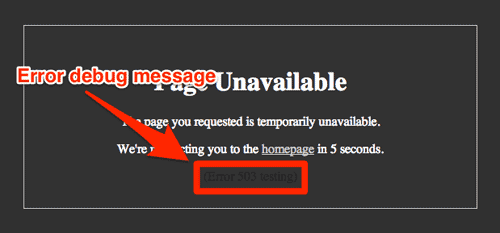
If you're a Drupal or PHP developer used to debugging or troubleshooting some code by adding a print $variable; or dpm($object); to your PHP, and then refreshing the page to see the debug message (or using XDebug, or using watchdog logging...), debugging Varnish's VCL language can be intimidating.
VCL uses C-like syntax, and is compiled when varnish starts, so you can't just modify a .vcl file and refresh to see changes or debug
VirtualBox, Vagrant, and Ansible: local development environment prowess
I recently gave a presentation titled Local Development Environments - Vagrant, VirtualBox, and Ansible . The presentation explains the importance and efficacy of using (and how to use) local Virtual Machines under VirtualBox, managed with Vagrant, and provisioned with Ansible, especially in comparison to using more traditional tools like WAMP, MAMP, or other prepackaged server solutions.

By the end of the presentation, you'll hopefully see how easyâand powerfulâit is to create virtual machines for local web and application development