Installing Ansible on a RISC-V computer
Ansible runs on Python, and Python runs on... well pretty much everything . Including newer RISC-V machines.
But Ansible has a lot of dependencies, and some of these dependencies have caused frustration from time to time on x86 and Arm (so having issues with a dependency is just a way of life when you enter dependency hell )... but in this case, for the past few months, I've never had luck installing Ansible from PyPI (Python's Package Index)
Testing new Raspberry Pi 5 Cases - $7 to $79
Since the Pi 5's launch, a number of Pi case redesigns have launched, and there are a few new entrants with something to offer. Like Fractal's 'Baby North'... which, unfortunately, is only a prototype designed for their displays at Computex, and is not being planned for sale. At least not for now! I'll write more about this case later in this post.

The Pi 5's thermals are close enough to the Pi 4 that old cooling solutions work
Remote shell to a Raspberry Pi at 39,000 ft
For a few weeks I've been beta testing remote shell, the latest addition to Raspberry Pi Connect. Just a couple hours ago I was on a flight home from the new Micro Center in Charlotte.

One huge problem with VNC or remote desktop is how flaky it is if you have limited bandwidth or an unstable connection, like on an airplane.
It takes forever to start a screen sharing session, and the airplane's flaky WiFi usually causes the session to lock up, meaning you can't do much
Giving away 480 Raspberry Pis was harder than I expected
I gave away 480 Raspberry Pi Picos at Open Sauce last weekend, and ran into a number of challenges doing so. All of them self-inflicted, of course. I didn't want to just hand them out like candyâor, well... that's exactly what I did:
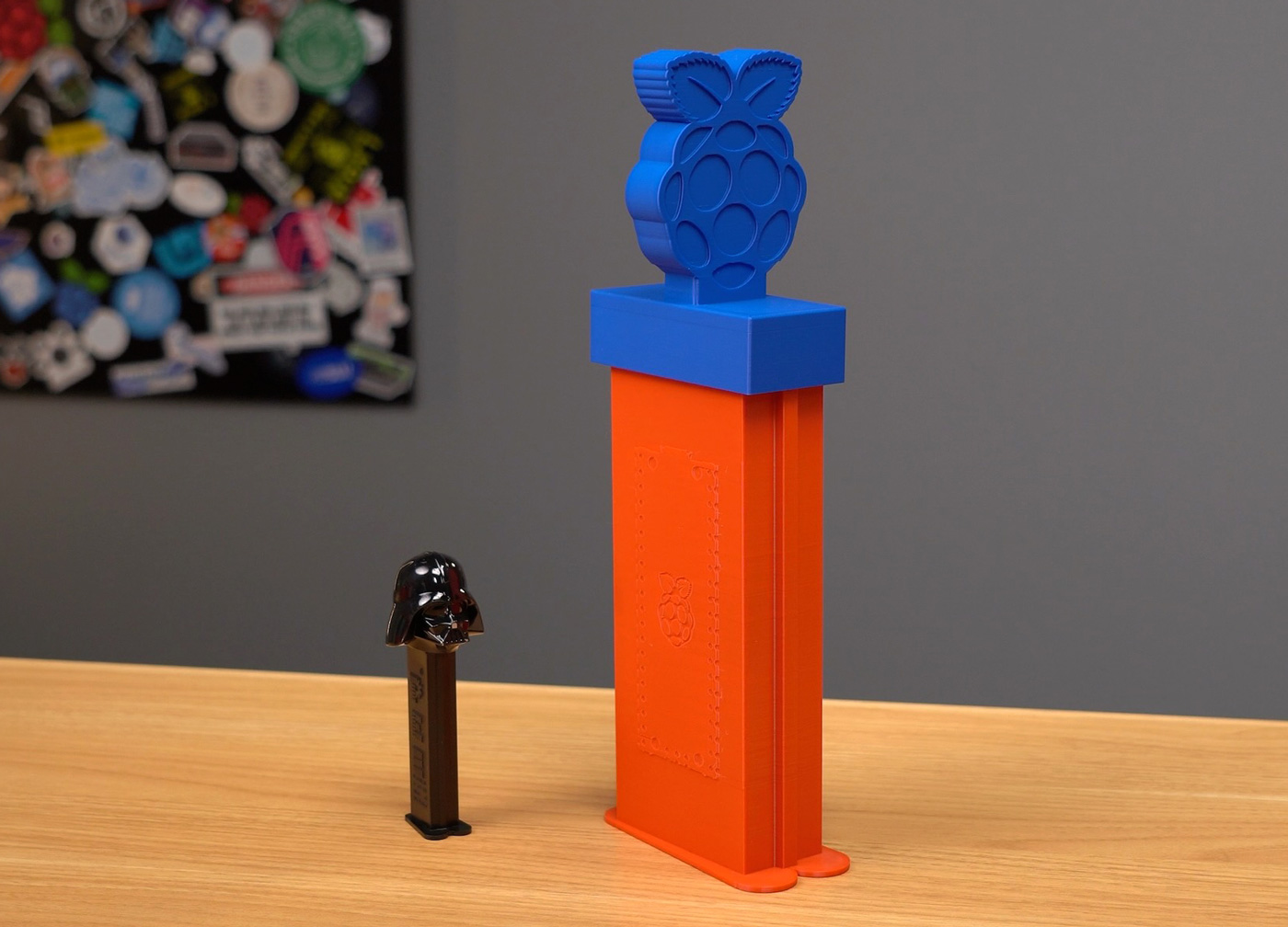
My initial plan was to build a backpack mount for a full 480-Pico reel (they sell them in bulk like that, for pick-n-place machines).
Newer versions of Ansible don't work with RHEL 8
Note : This problem may occur on other older distros as well, like Ubuntu 18.04.
Red Hat Enterprise Linux 8 is supported until 2029, and that distribution includes Python 3.6 for system python. Ansible's long been stuck between a rock and a hard place supporting certain modules (especially packaging modules like dnf / yum on RHEL and its derivatives, because the Python bindings for the packaging modules are stuck supporting system Python.
Users are getting errors like:
/bin/sh55 TOPS Raspberry Pi AI PC - 4 TPUs, 2 NPUs
I'm in full-on procrastination mode with Open Sauce coming up in 10 days and a project I haven't started on for it, so I decided to try building the stable AI PC with all the AI accelerator chips I own:
- Hailo-8 (26 TOPS)
- Hailo-8L (13 TOPS)
- 2x Coral Dual Edge TPU (8+8 = 16 TOPS)
- 2x Coral Edge TPU (4+4 = 8 TOPS)
After my first faltering attempt in

Testing Raspberry Pi's AI Kit - 13 TOPS for $70
Raspberry Pi today launched the AI Kit , a $70 addon which straps a Hailo-8L on top of a Raspberry Pi 5, using the recently-launched M.2 HAT (the Hailo-8L is of the M.2 M-key variety, and comes preinstalled).

The Hailo-8L's claim to fame is 3-4 TOPS/W efficiency, which, along with the Pi's 3-4W idle power consumption, puts it alongside Nvidia's
Saying a lot while saying nothing at all about Ansible AWX
A few days ago, the post Upcoming Changes to the AWX Project came across my feed. An innocuous title, but sometimes community-impacting changes are buried in posts like this. So, as an interested Ansible user, I read through the post.
In 1,610 words, almost nothing of substance was written.
A lot about how it's not 2014 anymore, so 2014-era architecture doesn't suit AWX. Then a big bold disclaimer at the bottom
Can the Raspberry Pi 5 handle 4K?

In the past, I've booted LibreELEC on the Raspberry Pi Compute Module 4 in my " This is not a TV " Sharp NEC display.
According to LibreELEC's Pi 5 blog post , the new BCM2712 SoC decodes 4K and 1080p content just fine in H.264, and supports HEVC 4K60 hardware decoding.
And they've tested AV1, VC1, and VP9 at 1080p with no issue,
Testing object detection (yolo, mobilenet, etc.) with picamera2 on Pi 5
Besides the Pi 5 being approximately 2.5x faster for general compute, the addition of other blocks of the Arm architecture in the Pi 5's upgrade to A76 cores promises to speed up other tasks, too.
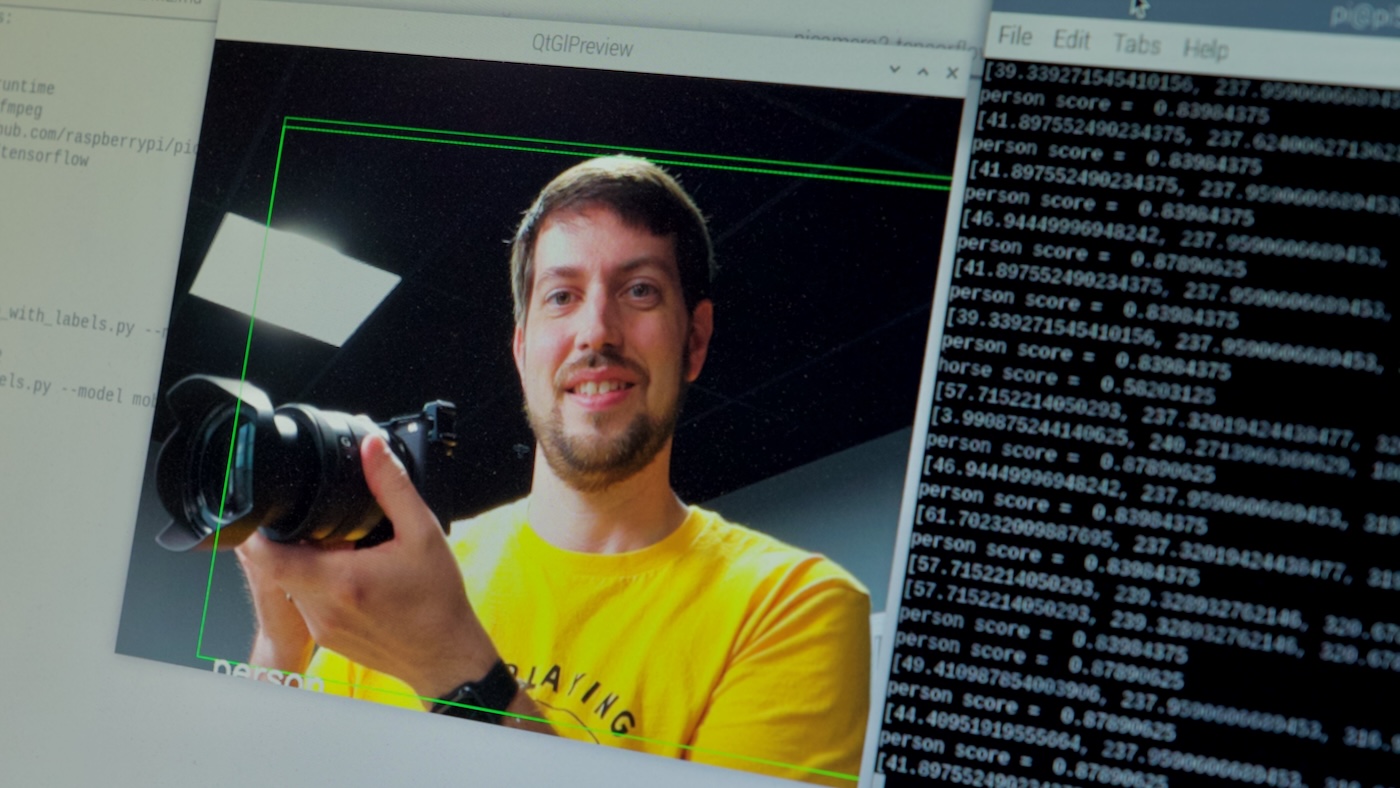
On the Pi 4, popular image processing models for object detection, pose detection, etc. would top out at 2-5 fps using the built-in CPU. Accessories like the Google Coral TPU speed things up considerably (and are eminently useful in builds like my Frigate NVR )