TOKYO -- Delays in the delivery of semiconductors are forcing electronics manufacturers like Sony to scramble, with lead times for orders reaching as long as nearly two years.
Intel CEO Expects Chip Shortage to Last Until 2024
In an interview with CNBC's TechCheck, Intel CEO Pat Gelsinger said he expected the chip shortage to continue to drag on, at least until 2024. Unfortunately he didn't go into too much detail as to why, beyond there being an equipment shortage, which in turn will slow down the speed at which new fabs can be put online. In other words, Intel is pointing fingers at ASML and other companies that manufacture the various types of equipment that is needed to manufacture semiconductors.
Intel is

Equipment delays are slowing chipmakers' expansion plans
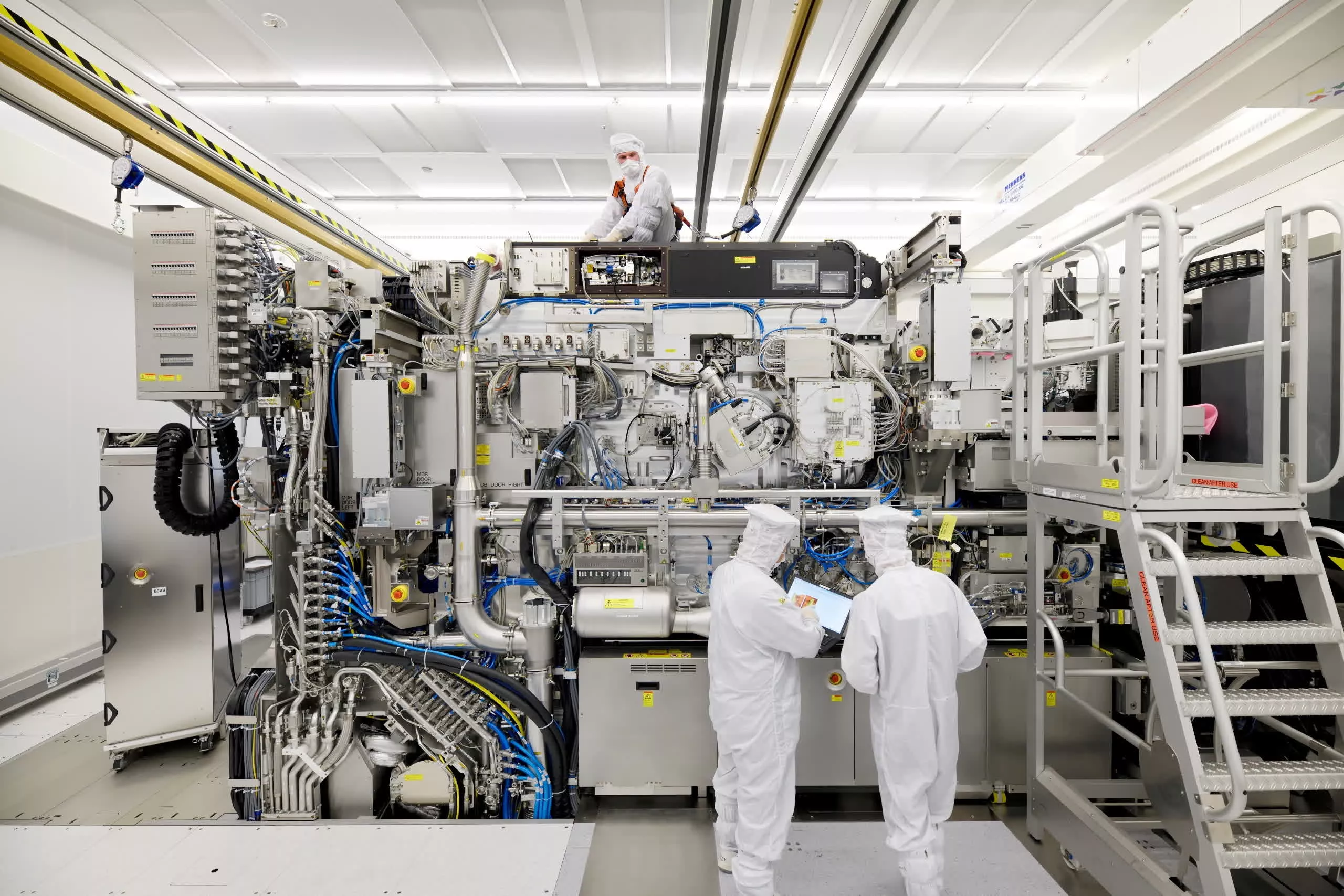
In brief: Equipment makers in the semiconductor industry have been reluctant to increase capacity, even as the world's biggest chipmakers are scrambling to expand their operations. Even if they did, ongoing shortages of essential materials and components would severely limit their ability to deliver more equipment in a timely manner.
Chipmakers like TSMC, Samsung, and Intel are pouring billions into their ambitious expansion plans. The semiconductor industry has had difficulty adapting to the surge in demand for everything powered by silicon, which has prompted foundries to invest in building
TSMC R&D SVP Expects Chip Shortage to Persist Until 2024-2025
In an interview with IEEE Spectrum Dr. Y.J. Mii, Senior Vice President of Research and Development at TSMC, said that he believes that we're not going to see an end to the chip shortage until the next generation of fabs that are currently under construction, or will commence soon, come online in two to three years. Interestingly, Mii is apparently not putting the blame squarely at the pandemic as so many others have for the components shortage, but rather points towards the fact that chips are being

Global chip shortage: US says firms' stocks have plunged
The shortage of semiconductors is continuing to have a major impact on industries around the world.
US Commerce Department report highlights alarming chip inventory levels

In brief: The US Department of Commerce last year requested information from the semiconductor supply chain to get a better understanding about the ongoing chip shortage. The department received more than 150 responses and shared some of what it learned this week.
The Commerce Department found that among 25 immediate / end users of semiconductors, median inventory levels had dropped to fewer than five days by September 2021. For comparison, the figure was closer to 40 days in 2019 before the pandemic.
Of
China's Xiaomi says chip crunch curbing smartphone shipments
TAIPEI -- China's top smartphone maker Xiaomi on Tuesday night said the ongoing global chip shortage will crimp its shipments this year by up to 20 million units, in the latest signal that the supply crunch is affecting even the world's biggest tech players.
Supply chain crisis: Japan's export growth slows as car production slides
Shipments of cars fell sharply as the global computer chip shortage has impacted the motor industry.
German chipmaker Infineon calls for rethink of auto supply chain
SINGAPORE -- German chip giant Infineon Technologies is urging automakers to rethink their "just-in-time" supply chain strategy and instead start building up stockpiles of semiconductors as the global shortage of the key components drags on.
The company, a leading provider of auto-related chips, predicts the chip crunch could last through the end of next year, Helmut Gassel, Chief Marketing Officer and a member of the Management Board of Infineon, told Nikkei Asia.
Infineon is struggling with "very low inventory levels of products across
The auto industry could be feeling the effects of the chip shortage until 2023

In a nutshell: While most tech insiders believe the chip shortage will alleviate in the second half of next year, automotive analysts are worried their industry will not see a recovery phase until the first half of 2023.
The global semiconductor shortage has been felt by many, from those whose jobs have been directly impacted to consumers wondering when they’ll be able to buy a new graphics card/console/anything with a chip in it. One of the hardest hit has been the automotive industry, which consulting