Optimizing the Aural Experience on Android Devices with xHE-AAC
By Phill Williams and Vijay Gondi
Introduction
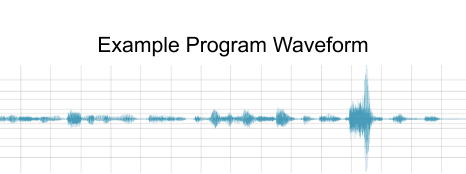
At Netflix, we are passionate about delivering great audio to our members. We began streaming 5.1 channel surround sound in 2010, Dolby Atmos in 2017 , and adaptive bitrate audio in 2019 . Continuing in this tradition, we are proud to announce that Netflix now streams Extended HE-AAC with MPEG-D DRC ( xHE-AAC ) to compatible Android Mobile devices (Android 9 and newer). With its capability to improve intelligibility
Evolving Container Security With Linux User Namespaces
By Fabio Kung , Sargun Dhillon , Andrew Spyker , Kyle , Rob Gulewich, Nabil Schear , Andrew Leung , Daniel Muino, and Manas Alekar
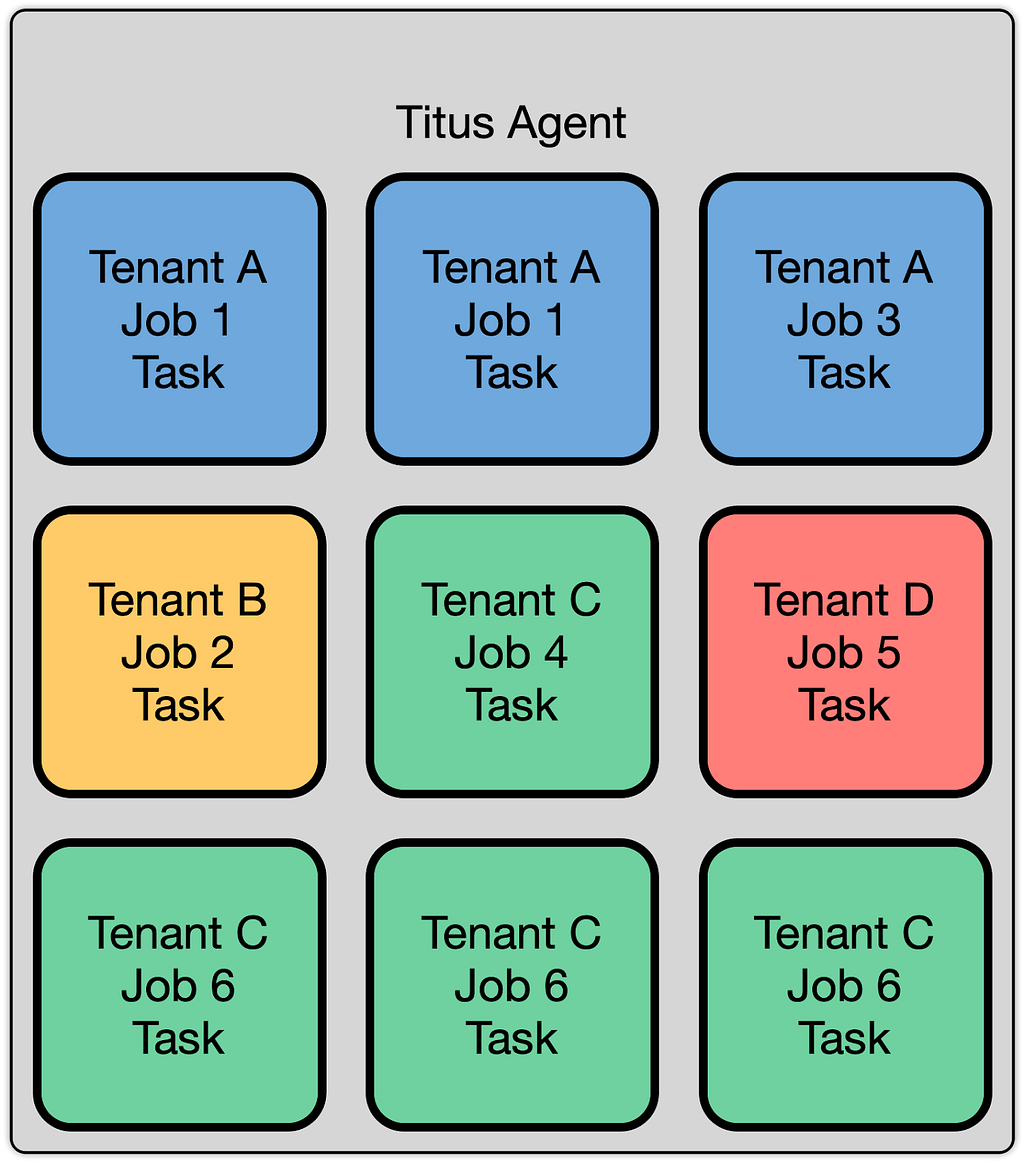
As previously discussed on the Netflix Tech Blog, Titus is the Netflix container orchestration system. It runs a wide variety of workloads from various parts of the company — everything from the frontend API for netflix.com, to machine learning training workloads, to video encoders. In Titus, the hosts that workloads run on are abstracted from our users. The Titus platform maintains large pools of
Optimizing data warehouse storage
By Anupom Syam
Background
At Netflix, our current data warehouse contains hundreds of Petabytes of data stored in AWS S3 , and each day we ingest and create additional Petabytes. At this scale, we can gain a significant amount of performance and cost benefits by optimizing the storage layout (records, objects, partitions) as the data lands into our warehouse.
There are several benefits of such optimizations like saving on storage, faster query time, cheaper downstream processing, and an increase in developer productivity by removing additional ETLs written only

Mythbusting the Analytics Journey
Part of our series on who works in Analytics at Netflix — and what the role entails
by Alex Diamond
This Q&A aims to mythbust some common misconceptions about succeeding in analytics at a big tech company.
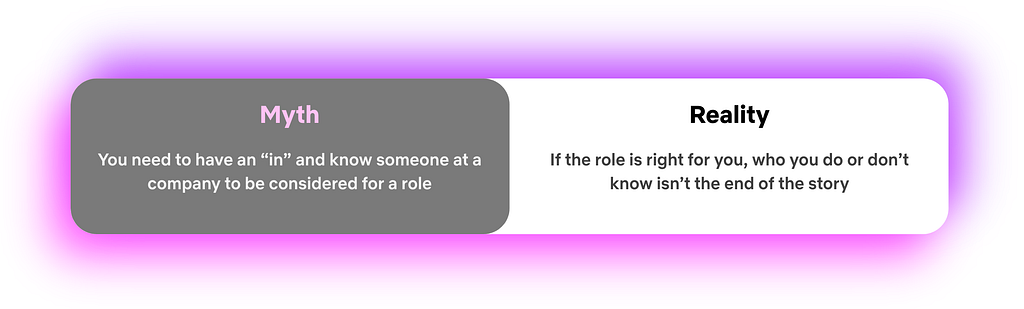
This isn’t your typical recruiting story. I wasn’t actively looking for a new job and Netflix was the only place I applied. I didn’t know anyone who worked there and just submitted my resume through the Jobs page 🤷🏼♀️ . I wasn’t even entirely sure what
Netflix at MIT CODE 2020
In November, Netflix was a proud sponsor of the 2020 Conference on Digital Experimentation (CODE), hosted by the MIT Initiative on the Digital Economy. As well as providing sponsorship, Netflix data scientists were active participants, with three contributions.
Eskil Forsell and colleagues presented a poster describing Success stories from a democratized experimentation platform . Over the last few years, we’ve been Reimagining Experimentation Analysis at Netflix with an open platform that supports contributions of metrics, methods and visualizations. This poster, reproduced
Life of a Netflix Partner Engineer — The case of extra 40 ms
Life of a Netflix Partner Engineer — The case of the extra 40 ms
By: John Blair , Netflix Partner Engineering
The Netflix application runs on hundreds of smart TVs, streaming sticks and pay TV set top boxes. The role of a Partner Engineer at Netflix is to help device manufacturers launch the Netflix application on their devices. In this article we talk about one particularly difficult issue that blocked the launch of a device in Europe.
The mystery begins
Towards the end of 2017, I was on a conference

How Netflix Scales its API with GraphQL Federation (Part 2)
In our previous post and QConPlus talk , we discussed GraphQL Federation as a solution for distributing our GraphQL schema and implementation. In this post, we shift our attention to what is needed to run a federated GraphQL platform successfully — from our journey implementing it to lessons learned.
Our Journey so Far
Over the past year, we’ve implemented the core infrastructure pieces necessary for a federated GraphQL architecture as described in our previous post:
Supporting content decision makers with machine learning
by Melody Dye *, Chaitanya Ekanadham *, Avneesh Saluja *, Ashish Rastogi
* contributed equally
Netflix is pioneering content creation at an unprecedented scale. Our catalog of thousands of films and series caters to 195M+ members in over 190 countries who span a broad and diverse range of tastes. Content, marketing, and studio production executives make the key decisions that aspire to maximize each series’ or film’s potential to bring joy to our subscribers as it progresses from pitch to play on our service

Toward a Better Quality Metric for the Video Community
by Zhi Li, Kyle Swanson, Christos Bampis, Lukáš Krasula and Anne Aaron
Over the past few years, we have been striving to make VMAF a more usable tool not just for Netflix, but for the video community at large. This tech blog highlights our recent progress toward this goal.
VMAF is a video quality metric that Netflix jointly developed with a number of university collaborators and open-sourced on Github. VMAF was originally designed with Netflix’s streaming use case in mind, in particular, to capture
Simple streaming telemetry
Introducing gnmi-gateway: a modular, distributed, and highly available service for modern network telemetry via OpenConfig and gNMI
By: Colin McIntosh, Michael Costello
Netflix runs its own content delivery network, Open Connect , which delivers all streaming traffic to our members. A backbone network underlies a large portion of the CDN, and we also run the high capacity networks that support our studios and corporate offices. In order to design, operate, and measure these networks, we must collect metrics and state data from the thousands of devices
