Dynamic Repartitioning for Time Series Workloads
By Rajiv Shringi , Kaidan Fullerton , Oleksii Tkachuk and Kartik Sathyanarayanan
Introduction
Netflix’s TimeSeries Abstraction is a scalable system for ingesting and querying petabytes of temporal event data with millisecond latency. We use Apache Cassandra 4.x as the underlying storage for these main reasons:
- Throughput, latency, and cost : Cassandra can handle millions of low‑latency reads and writes in a cost-effective manner.
- Operational maturity : Our data platform team has deep operational expertise running large Cassandra clusters in production.
However, using Cassandra at this
High-Throughput Graph Abstraction at Netflix: Part I
By Oleksii Tkachuk , Kartik Sathyanarayanan , Rajiv Shringi
Introduction
Netflix has a diverse range of graph use cases, each serving specific business needs with unique functionality and performance requirements. These use cases fall into two broad categories:
- OLAP : These use cases typically involve open-ended and algorithmic exploration of large graph datasets. They often utilize industry-standard models and languages such as RDF with SPARQL, Property Graphs with Gremlin or openCypher, and even SQL. The primary focus in these situations is in-depth analysis, rather than achieving

From Silos to Service Topology: Why Netflix Built a Real-Time Service Map
By Parth Jain , Rakesh Sukumar , Yingwu Zhao , Renzo Sanchez & Nathan Fisher
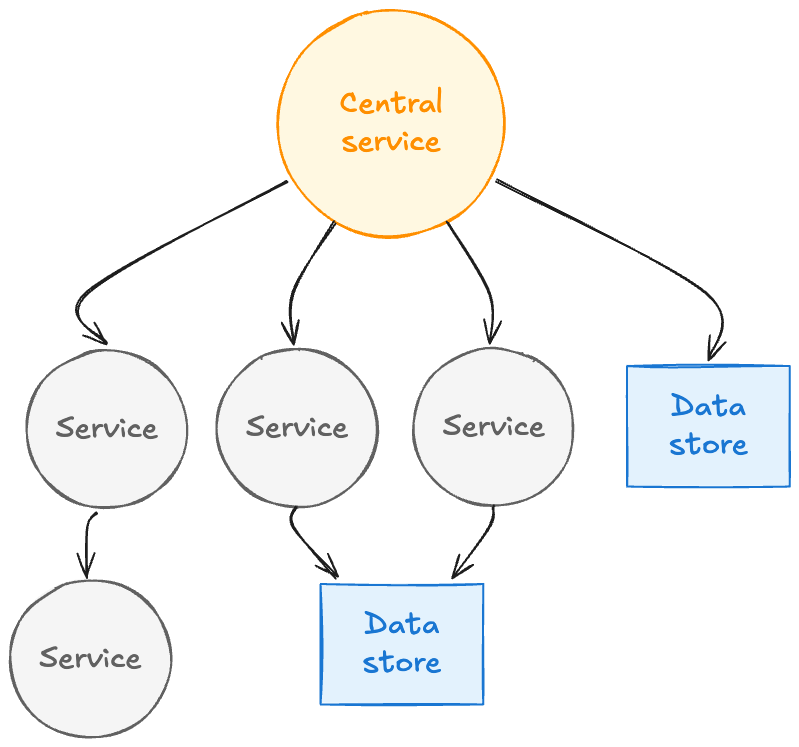
How we built a living map of our distributed infrastructure to help engineers understand dependencies, troubleshoot faster, and keep Netflix running smoothly for our members around the world.
The Puzzle with a Thousand Pieces
Picture this: It’s 3am, and an engineer gets paged. One of our critical services is showing elevated error rates. Members trying to watch their favorite films and series are seeing degraded experiences. The clock is ticking.
Scaling ArchUnit with Nebula ArchRules
By John Burns and Emily Yuan
Introduction
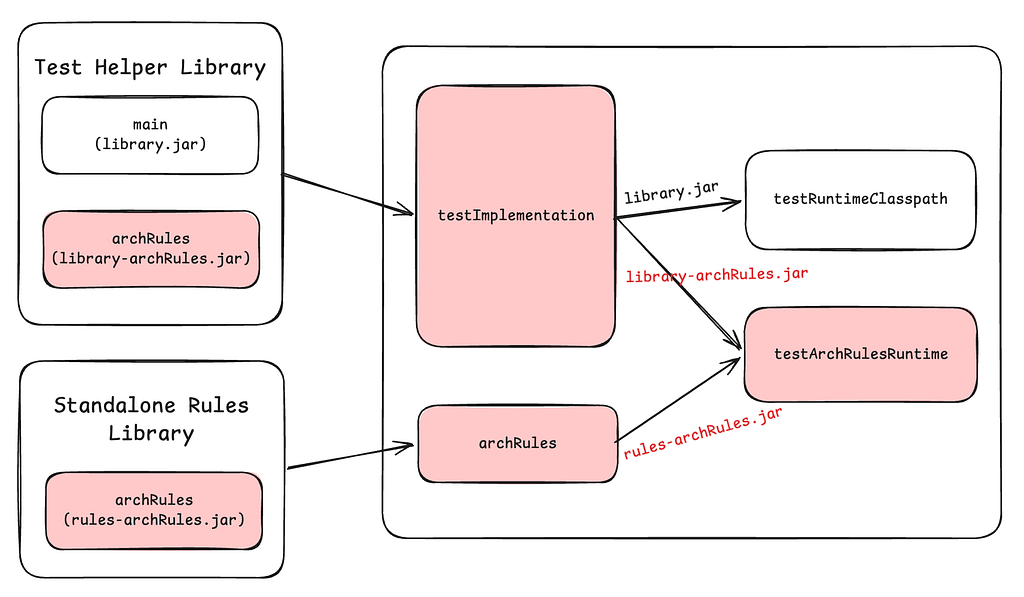
At Netflix, we operate using a polyrepo strategy with tens of thousands of Java repositories. This means that we need to have ways of sharing common build logic across these repositories. On the JVM Ecosystem team within Java Platform, we build tooling such as the Nebula suite of Gradle plugins to provide standard ways to build projects, keep dependencies up-to-date, and publish artifacts reliably across the Java ecosystem. Our mission also entails providing build-time feedback to the developer when they
Democratizing Machine Learning at Netflix: Building the Model Lifecycle Graph
Saish Sali , Nipun Kumar , Sura Elamurugu
Introduction
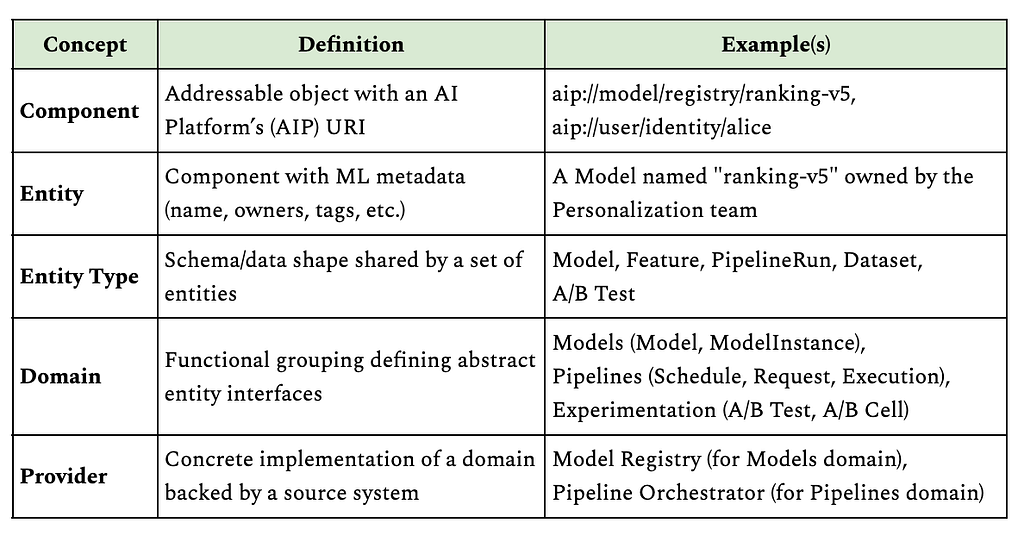
As Netflix has grown, machine learning continues to support our ability to deliver value to members and drive excellence across multiple areas of our business. When Netflix began investing in machine learning over a decade ago, it was primarily focused on a single domain: personalization. Scala was the industry standard, our ML teams were relatively small, and optimizing member engagement was our primary use case. Fast forward to today, and machine learning has become the backbone of Netflix’s business transformation
State of Routing in Model Serving
By Nipun Kumar , Rajat Shah , Peter Chng
Introduction
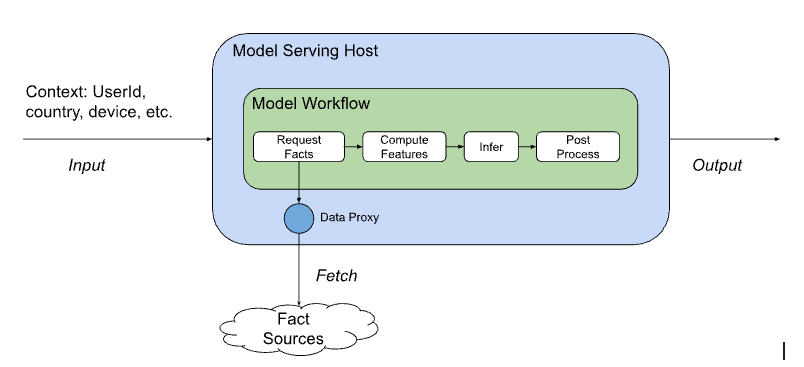
This is the first blog post in a multi-part series that shares technical insights into how our ML model serving infrastructure powers several personalized experiences at scale across various domains (e.g., title recommendations, commerce). In this introductory blog post, we will dive into our domain-independent API abstraction and its traffic routing capabilities that the central ML model serving platform exposes to several domain-specific microservices for model inference. This singular API, or entry point
Scaling Camera File Processing at Netflix
Orchestrating Media Workflows Through Strategic Collaboration
Authors: Eric Reinecke , Bhanu Srikanth
Introduction to Content Hub’s Media Production Suite
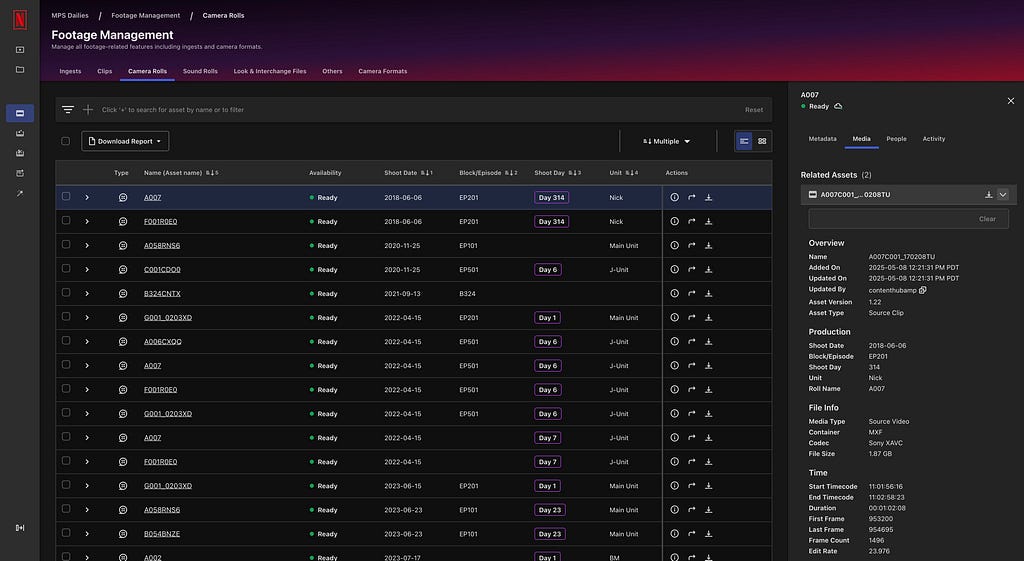
At Netflix, we want to provide filmmakers with the tools they need to produce content at a global scale, with quick turnaround and choice from an extraordinary variety of cameras, formats, workflows, and collaborators. Every series or film arrives with its own creative ambitions and technical requirements. To reduce friction and keep productions moving smoothly, we built Netflix’s Media Production Suite (MPS) with the goal of
The Human Infrastructure: How Netflix Built the Operations Layer Behind Live at Scale
By: Brett Axler , Casper Choffat , and Alo Lowry
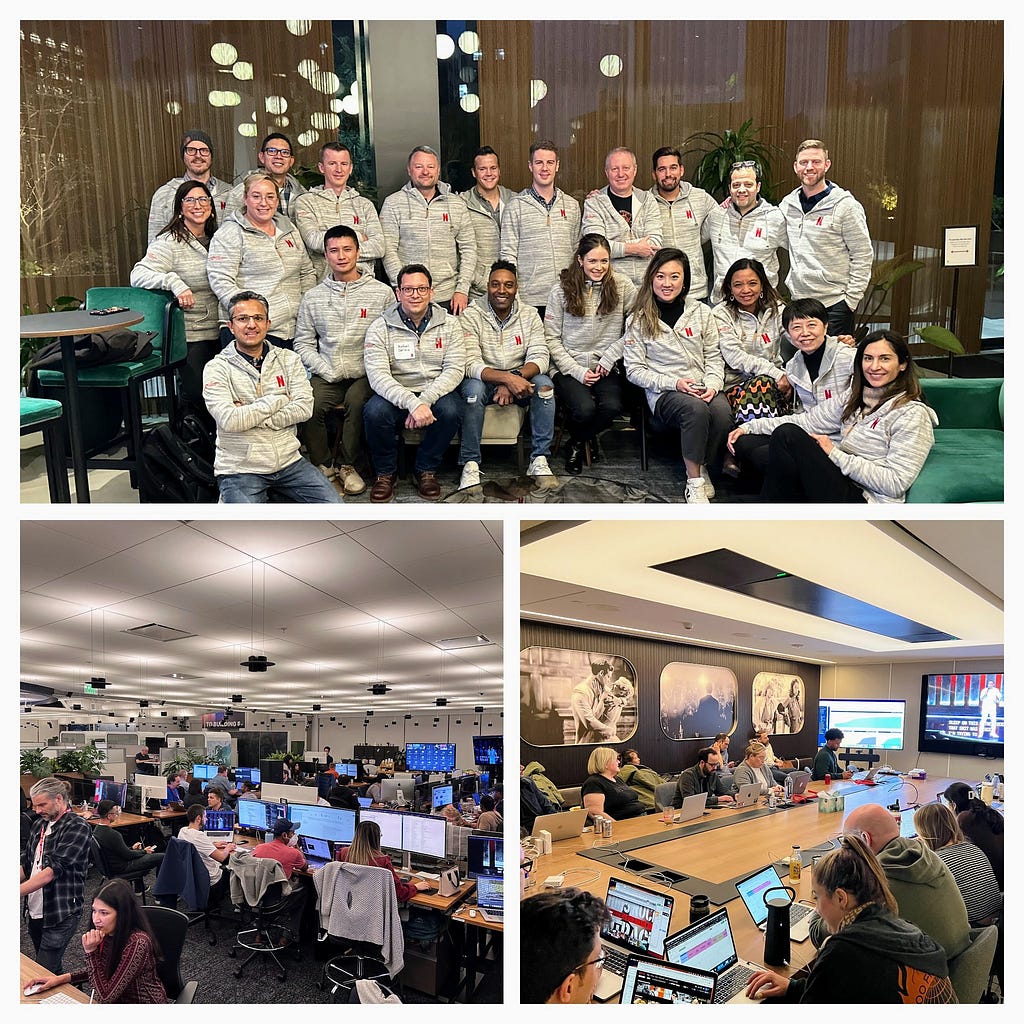
In the three years since our first Live show, Chris Rock: Selective Outrage , we have witnessed an incredible expansion of our live content slate and the live operations that support it. From modest beginnings of streaming just one show per month, we are now capable of streaming over nine shows in a single day, reaching tens of millions of concurrent members. This post pulls back the curtain on the Live Operations teams that enable this rapid scale.
Humble Beginnings
In March
Evaluating Netflix Show Synopses with LLM-as-a-Judge
by Gabriela Alessio , Cameron Taylor , and Cameron R. Wolfe
Introduction
When members log into Netflix, one of the hardest choices is what to watch. The challenge isn’t a lack of options — there are thousands of titles — but finding the most intriguing one is complex and deeply personal. To help, we surface personalized promotional assets , especially the show synopsis — a brief description highlighting key plot elements, with cues like genre or talent .
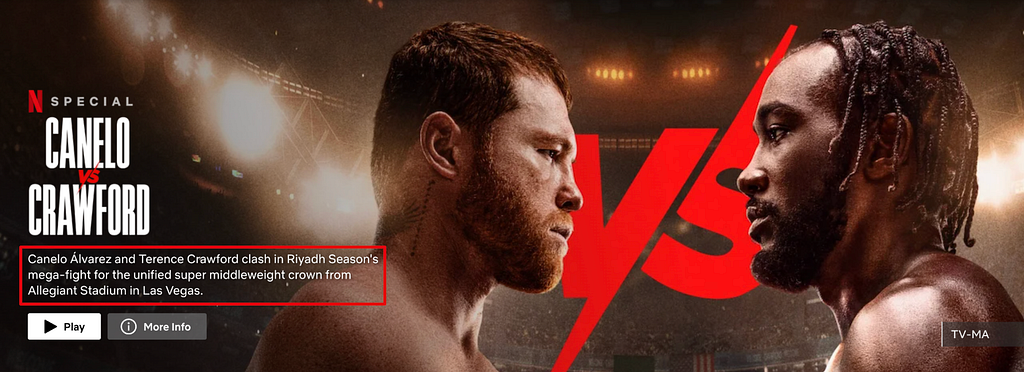
Strong synopses help members scan, understand, and choose. Poor synopses frustrate
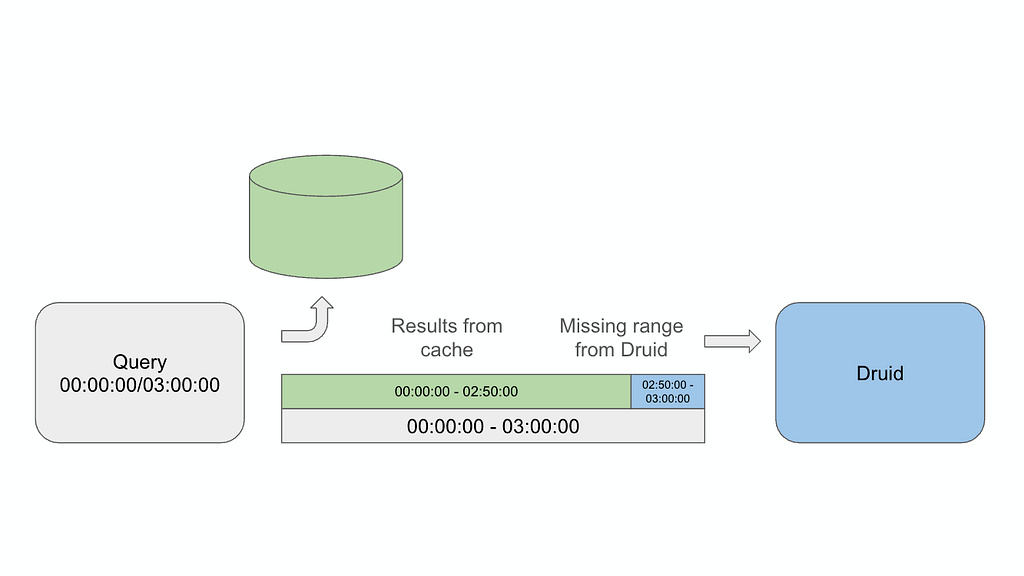
Stop Answering the Same Question Twice: Interval-Aware Caching for Druid at Netflix Scale
By Ben Sykes
In a previous post , we described how Netflix uses Apache Druid to ingest millions of events per second and query trillions of rows, providing the real-time insights needed to ensure a high-quality experience for our members. Since that post, our scale has grown considerably.
With our database holding over 10 trillion rows and regularly ingesting up to 15 million events per second, the value of our real-time data is undeniable. But this massive scale introduced a new challenge: queries. The