Behind the Streams: Live at Netflix. Part 1
Behind the Streams: Three Years Of Live at Netflix. Part 1.
By Sergey Fedorov , Chris Pham , Flavio Ribeiro , Chris Newton , and Wei Wei
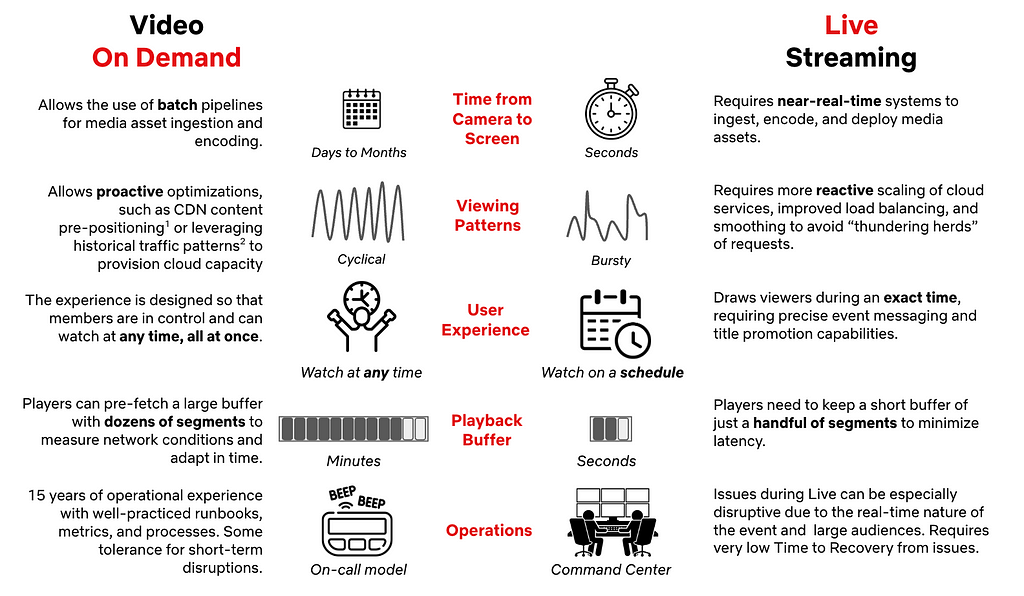
Many great ideas at Netflix begin with a question, and three years ago, we asked one of our boldest yet: if we were to entertain the world through Live — a format almost as old as television itself — how would we do it?
What began with an engineering plan to pave the path towards our first Live comedy special, Chris Rock: Selective Outrage
Netflix Tudum Architecture: from CQRS with Kafka to CQRS with RAW Hollow
By Eugene Yemelyanau , Jake Grice
Introduction
Tudum.com is Netflix’s official fan destination, enabling fans to dive deeper into their favorite Netflix shows and movies. Tudum offers exclusive first-looks, behind-the-scenes content, talent interviews, live events, guides, and interactive experiences. “Tudum” is named after the sonic ID you hear when pressing play on a Netflix show or movie. Attracting over 20 million members each month, Tudum is designed to enrich the viewing experience by offering additional context and
Driving Content Delivery Efficiency Through Classifying Cache Misses
By Vipul Marlecha , Lara Deek , Thiara Ortiz
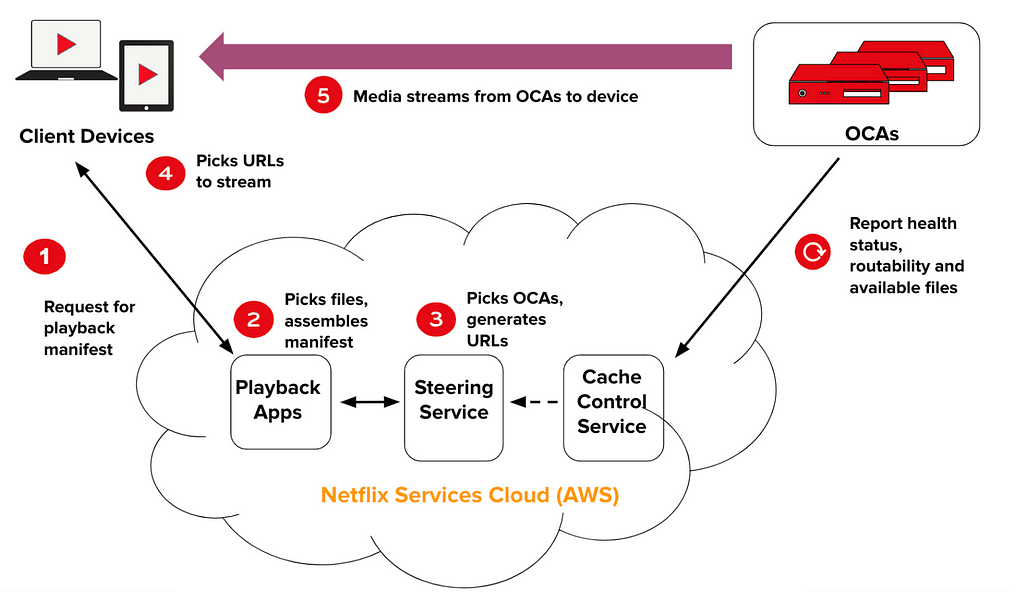
The mission of Open Connect , our dedicated content delivery network (CDN), is to deliver the best quality of experience (QoE) to our members. By localizing our Open Connect Appliances (OCAs), we bring Netflix content closer to the end user. This is achieved through close partnerships with internet service providers (ISPs) worldwide. Our ability to efficiently localize traffic, known as Content Delivery Efficiency, is a critical component of Open Connect’s service.
In this
AV1 @ Scale: Film Grain Synthesis, The Awakening
Unleashing Film Grain Synthesis on Netflix and Enhancing Visuals for Millions
Li-Heng Chen , Andrey Norkin , Liwei Guo , Zhi Li , Agata Opalach and Anush Moorthy
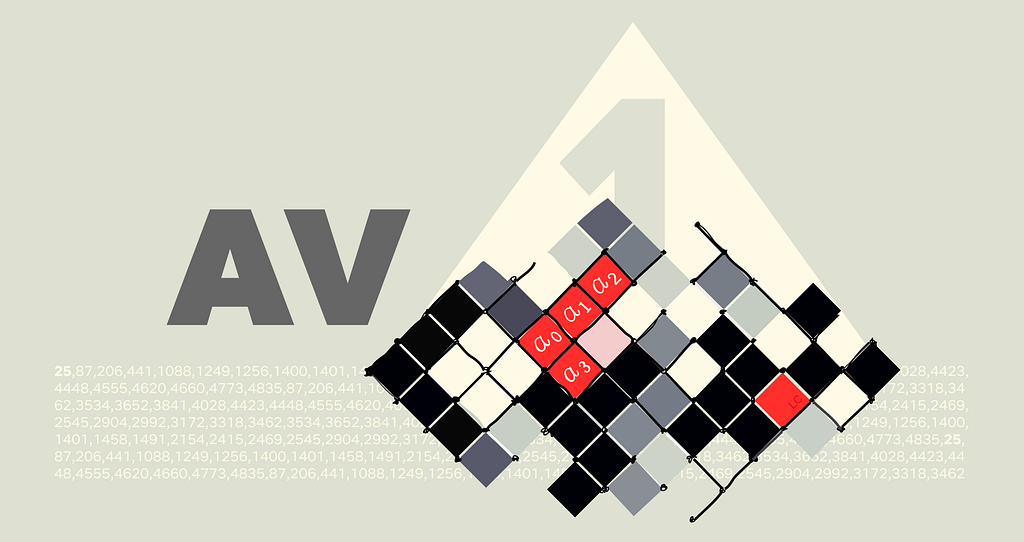
Picture this: you’re watching a classic film, and the subtle dance of film grain adds a layer of authenticity and nostalgia to every scene. This grain, formed from tiny particles during the film’s development, is more than just a visual effect. It plays a key role in storytelling by enhancing the film’s depth and contributing to its realism
Model Once, Represent Everywhere: UDA (Unified Data Architecture) at Netflix
By Alex Hutter , Alexandre Bertails , Claire Wang , Haoyuan He , Kishore Banala , Peter Royal , Shervin Afshar
As Netflix’s offerings grow — across films, series, games, live events, and ads — so does the complexity of the systems that support it. Core business concepts like ‘actor’ or ‘movie’ are modeled in many places: in our Enterprise GraphQL Gateway powering internal apps, in our asset management platform storing media assets, in our media computing platform that powers encoding pipelines, to name a
FM-Intent: Predicting User Session Intent with Hierarchical Multi-Task Learning
Authors: Sejoon Oh , Moumita Bhattacharya , Yesu Feng , Sudarshan Lamkhede , Ko-Jen Hsiao , and Justin Basilico
Motivation
Recommender systems have become essential components of digital services across e-commerce, streaming media, and social networks [1, 2]. At Netflix, these systems drive significant product and business impact by connecting members with relevant content at the right time [3, 4]. While our recommendation foundation model (FM) has made substantial progress in understanding user preferences through large-scale learning from interaction histories

Behind the Scenes: Building a Robust Ads Event Processing Pipeline
Introduction
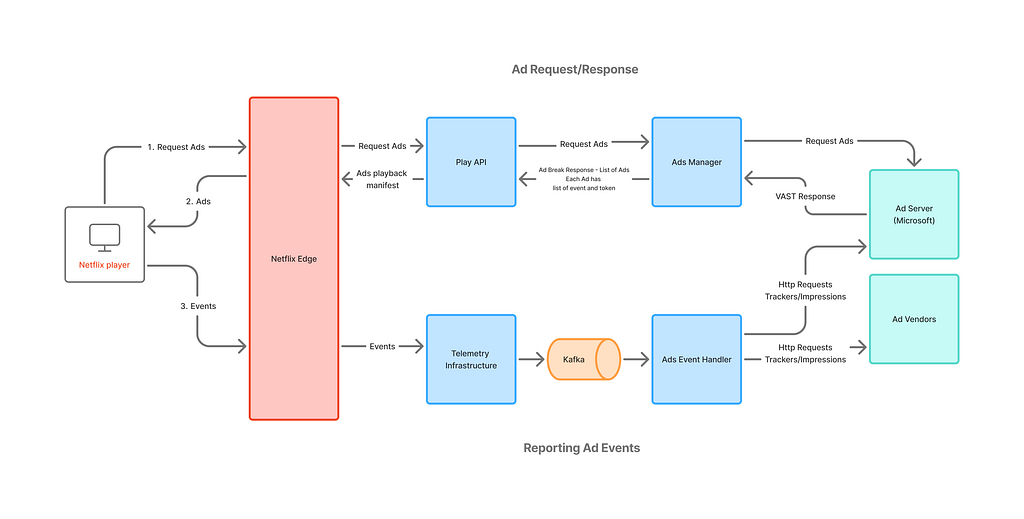
In a digital advertising platform, a robust feedback system is essential for the lifecycle and success of an ad campaign. This system comprises of diverse sub-systems designed to monitor, measure, and optimize ad campaigns. At Netflix, we embarked on a journey to build a robust event processing platform that not only meets the current demands but also scales for future needs. This blog post delves into the architectural evolution and technical decisions that underpin our Ads event processing pipeline.
Ad serving acts like the “brain”
Measuring Dialogue Intelligibility for Netflix Content
Enhancing Member Experience Through Strategic Collaboration
Ozzie Sutherland , Iroro Orife , Chih-Wei Wu , Bhanu Srikanth
At Netflix, delivering the best possible experience for our members is at the heart of everything we do, and we know we can’t do it alone. That’s why we work closely with a diverse ecosystem of technology partners, combining their deep expertise with our creative and operational insights. Together, we explore new ideas, develop practical tools, and push technical boundaries in service of storytelling. This collaboration not only

How Netflix Accurately Attributes eBPF Flow Logs
By Cheng Xie , Bryan Shultz , and Christine Xu
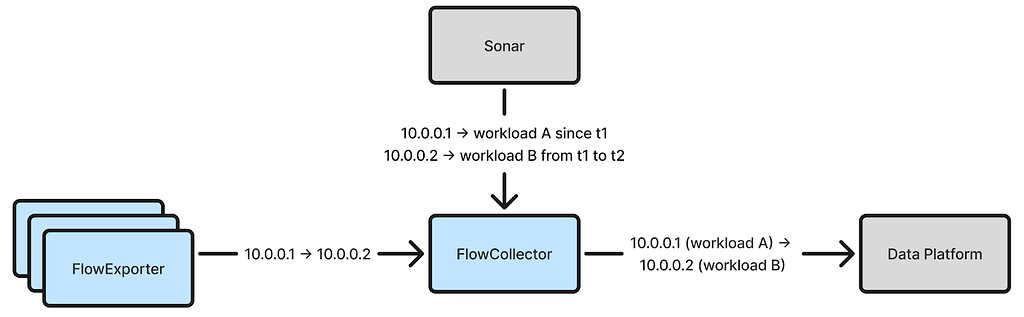
In a previous blog post , we described how Netflix uses eBPF to capture TCP flow logs at scale for enhanced network insights. In this post, we delve deeper into how Netflix solved a core problem: accurately attributing flow IP addresses to workload identities.
A Brief Recap
FlowExporter is a sidecar that runs alongside all Netflix workloads. It uses eBPF and TCP tracepoints to monitor TCP socket state changes. When a TCP socket closes, FlowExporter generates a flow log record that includes the
Globalizing Productions with Netflix’s Media Production Suite
Jesse Korosi , Thijs van de Kamp , Mayra Vega , Laura Futuro , Anton Margoline
The journey from script to screen is full of challenges in the ever-evolving world of film and television. The industry has always innovated, and over the last decade, it started moving towards cloud-based workflows. However, unlocking cloud innovation and all its benefits on a global scale has proven to be difficult. The opportunity is clear: streamline complex media management logistics, eliminate tedious, non-creative task-based work and enable
