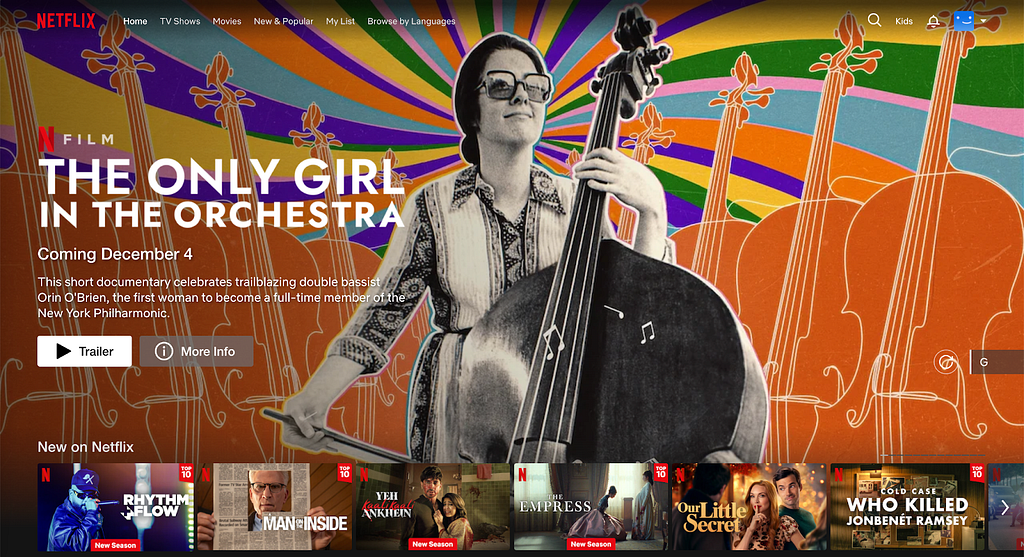
Title Launch Observability at Netflix Scale
Part 1: Understanding The Challenges
By: Varun Khaitan
With special thanks to my stunning colleagues: Mallika Rao , Esmir Mesic , Hugo Marques
Introduction
At Netflix, we manage over a thousand global content launches each month, backed by billions of dollars in annual investment. Ensuring the success and discoverability of each title across our platform is a top priority, as we aim to connect every story with the right audience to delight our members. To achieve this, we are committed to building robust systems that deliver comprehensive observability, enabling us
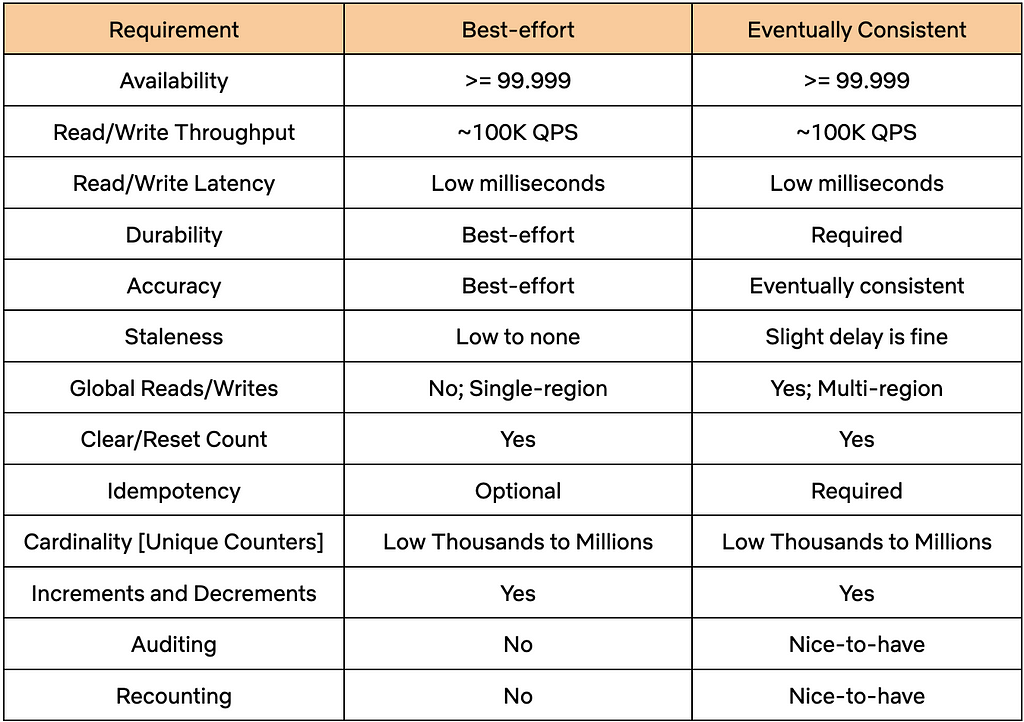
Netflix’s Distributed Counter Abstraction
By: Rajiv Shringi , Oleksii Tkachuk , Kartik Sathyanarayanan
Introduction
In our previous blog post, we introduced Netflix’s TimeSeries Abstraction , a distributed service designed to store and query large volumes of temporal event data with low millisecond latencies. Today, we’re excited to present the Distributed Counter Abstraction . This counting service, built on top of the TimeSeries Abstraction, enables distributed counting at scale while maintaining similar low latency performance. As with all our abstractions, we use our Data Gateway Control Plane to shard, configure, and
Investigation of a Workbench UI Latency Issue
By: Hechao Li and Marcelo Mayworm
With special thanks to our stunning colleagues Amer Ather , Itay Dafna , Luca Pozzi , Matheus Leão , and Ye Ji .
Overview
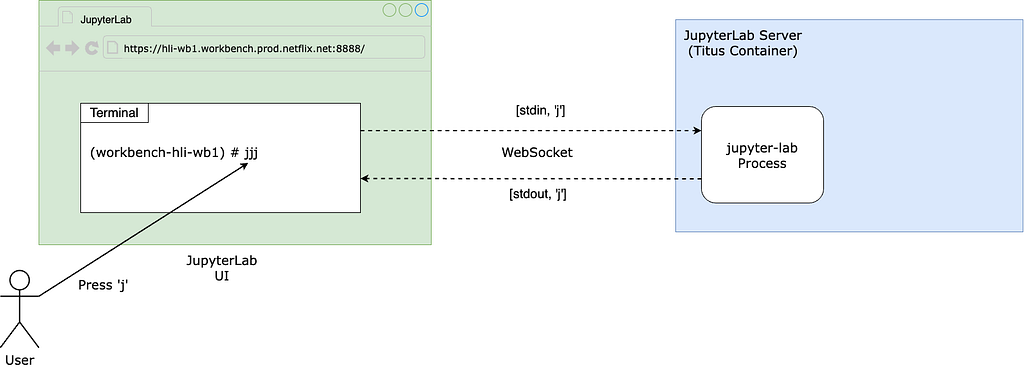
At Netflix, the Analytics and Developer Experience organization, part of the Data Platform, offers a product called Workbench. Workbench is a remote development workspace based on Titus that allows data practitioners to work with big data and machine learning use cases at scale. A common use case for Workbench is running JupyterLab Notebooks.
Recently, several users reported that their JupyterLab
Introducing Netflix TimeSeries Data Abstraction Layer
Rajiv Shringi Vinay Chella Kaidan Fullerton Oleksii Tkachuk Joey Lynch
Introduction
As Netflix continues to expand and diversify into various sectors like Video on Demand and Gaming , the ability to ingest and store vast amounts of temporal data — often reaching petabytes — with millisecond access latency has become increasingly vital. In previous blog posts, we introduced the Key-Value Data Abstraction Layer and the Data Gateway Platform , both of which are integral to Netflix’s data architecture. The Key-Value Abstraction offers a flexible, scalable solution for storing and accessing

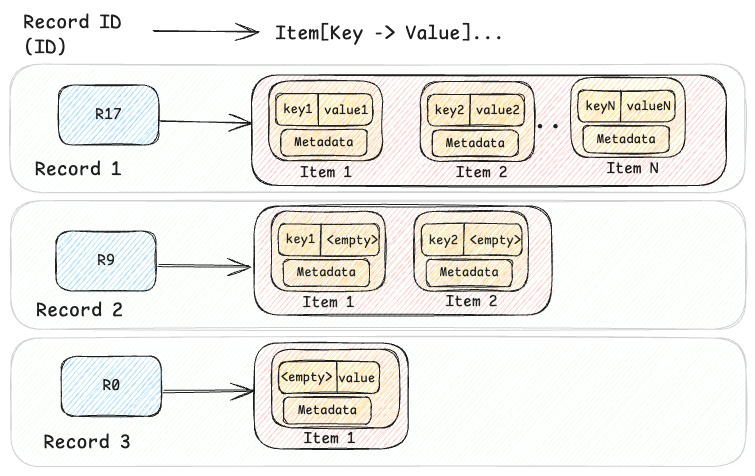
Introducing Netflix’s Key-Value Data Abstraction Layer
Vidhya Arvind , Rajasekhar Ummadisetty , Joey Lynch , Vinay Chella
Introduction
At Netflix our ability to deliver seamless, high-quality, streaming experiences to millions of users hinges on robust, global backend infrastructure. Central to this infrastructure is our use of multiple online distributed databases such as Apache Cassandra , a NoSQL database known for its high availability and scalability. Cassandra serves as the backbone for a diverse array of use cases within Netflix, ranging from user sign-ups and storing viewing histories to supporting real-time analytics and live streaming
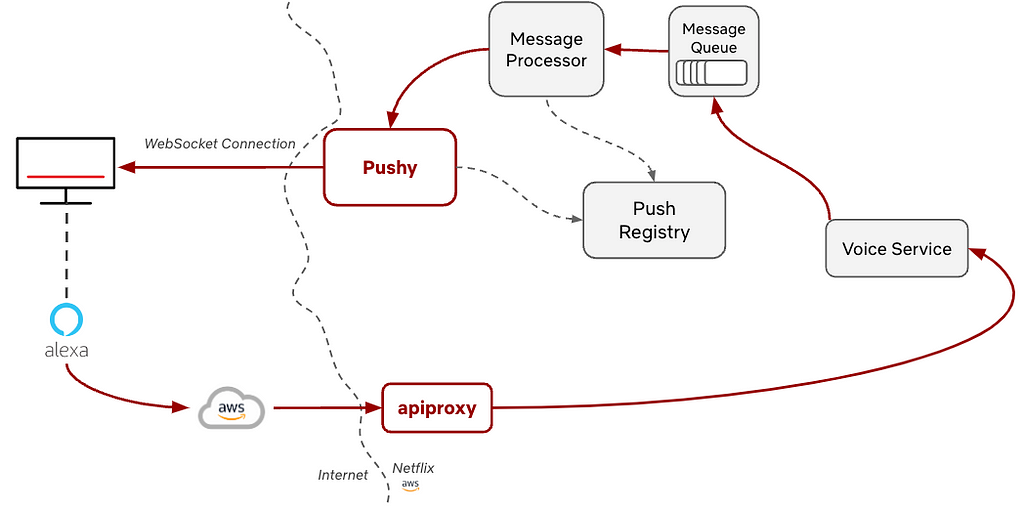
Pushy to the Limit: Evolving Netflix’s WebSocket proxy for the future
By Karthik Yagna , Baskar Odayarkoil , and Alex Ellis
Pushy is Netflix’s WebSocket server that maintains persistent WebSocket connections with devices running the Netflix application. This allows data to be sent to the device from backend services on demand, without the need for continually polling requests from the device. Over the last few years, Pushy has seen tremendous growth, evolving from its role as a best-effort message delivery service to be an integral part of the Netflix ecosystem. This post describes how we’ve grown and scaled Pushy
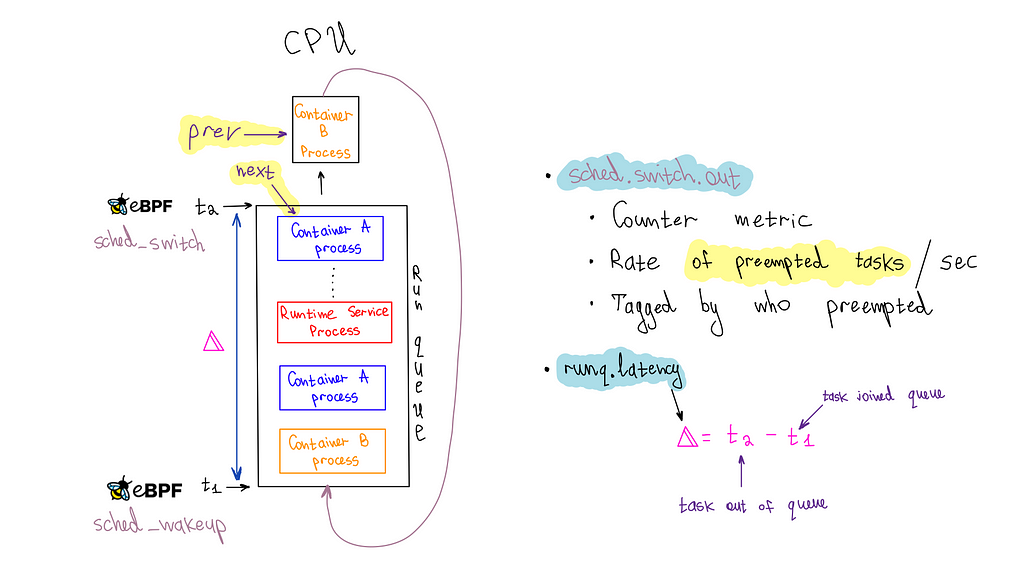
Noisy Neighbor Detection with eBPF
By Jose Fernandez , Sebastien Dabdoub , Jason Kock , Artem Tkachuk
The Compute and Performance Engineering teams at Netflix regularly investigate performance issues in our multi-tenant environment. The first step is determining whether the problem originates from the application or the underlying infrastructure. One issue that often complicates this process is the "noisy neighbor" problem. On Titus , our multi-tenant compute platform, a "noisy neighbor" refers to a container or system service that heavily utilizes the server's resources, causing performance degradation in adjacent containers
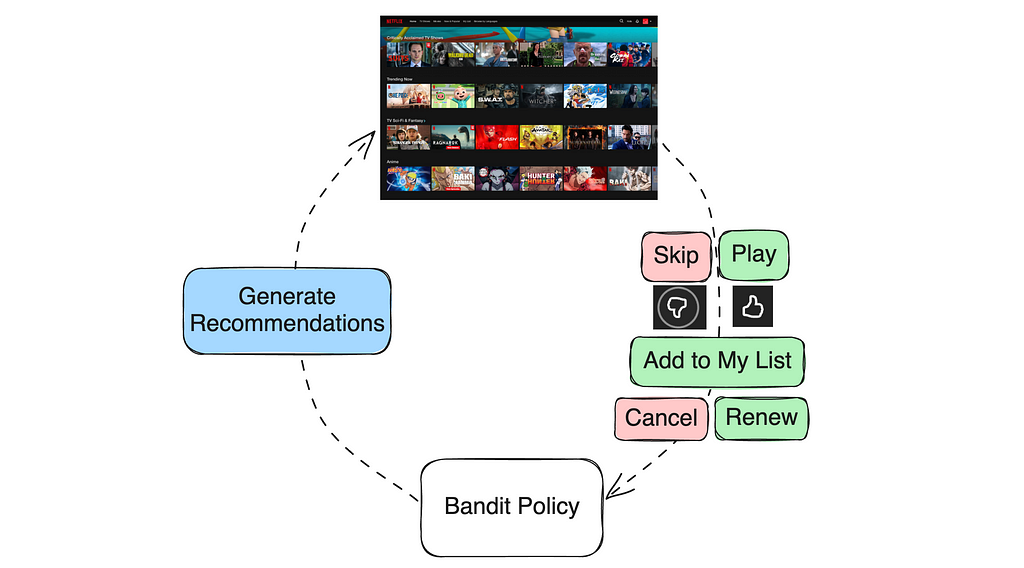
Recommending for Long-Term Member Satisfaction at Netflix
By Jiangwei Pan , Gary Tang , Henry Wang , and Justin Basilico
Introduction
Our mission at Netflix is to entertain the world. Our personalization algorithms play a crucial role in delivering on this mission for all members by recommending the right shows, movies, and games at the right time. This goal extends beyond immediate engagement; we aim to create an experience that brings lasting enjoyment to our members. Traditional recommender systems often optimize for short-term metrics like clicks or engagement, which may not fully capture long-term satisfaction.
Improve Your Next Experiment by Learning Better Proxy Metrics From Past Experiments
By Aurélien Bibaut , Winston Chou , Simon Ejdemyr , and Nathan Kallus

We are excited to share our work on how to learn good proxy metrics from historical experiments at KDD 2024 . This work addresses a fundamental question for technology companies and academic researchers alike: how do we establish that a treatment that improves short-term (statistically sensitive) outcomes also improves long-term (statistically insensitive) outcomes? Or, faced with multiple short-term outcomes, how do we optimally trade them off for long
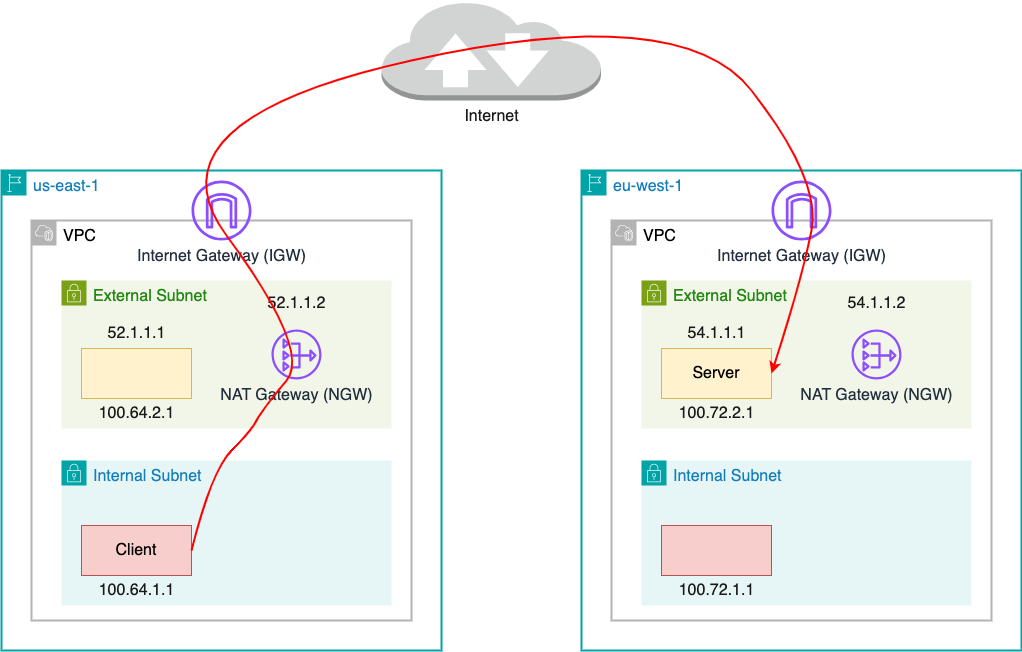
Investigation of a Cross-regional Network Performance Issue
Cloud Networking Topology
Netflix operates a highly efficient cloud computing infrastructure that supports a wide array of applications essential for our SVOD (Subscription Video on Demand), live streaming and gaming services. Utilizing Amazon AWS, our infrastructure is hosted across multiple geographic regions worldwide. This global distribution allows our applications to deliver content more effectively by serving traffic closer to our customers. Like any distributed system, our applications occasionally require data synchronization between regions to maintain seamless service delivery.
The following diagram shows a simplified cloud network