Incremental Processing using Netflix Maestro and Apache Iceberg
by Jun He , Yingyi Zhang , and Pawan Dixit
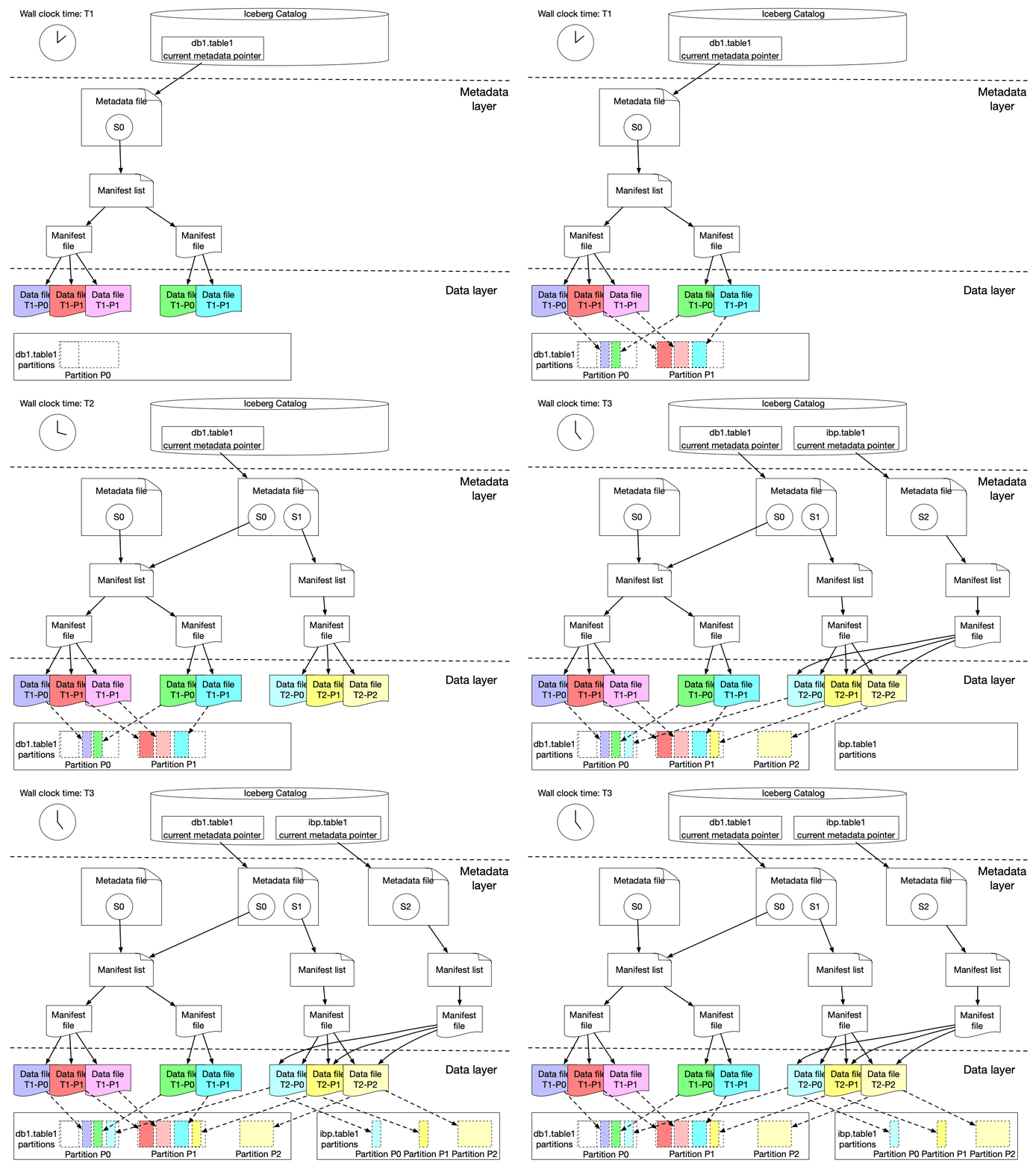
Incremental processing is an approach to process new or changed data in workflows. The key advantage is that it only incrementally processes data that are newly added or updated to a dataset, instead of re-processing the complete dataset. This not only reduces the cost of compute resources but also reduces the execution time in a significant manner. When workflow execution has a shorter duration, chances of failure and manual intervention reduce. It also improves the engineering productivity by simplifying the existing pipelines
3. Psyberg: Automated end to end catch up
By Abhinaya Shetty , Bharath Mummadisetty
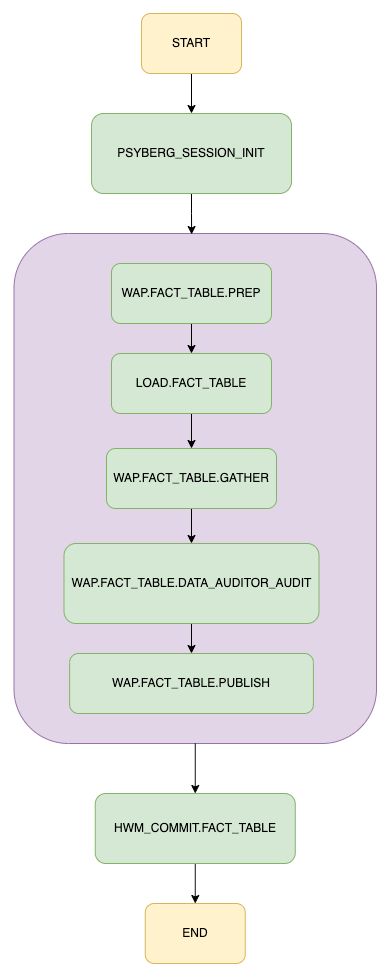
This blog post will cover how Psyberg helps automate the end-to-end catchup of different pipelines, including dimension tables.
In the previous installments of this series, we introduced Psyberg and delved into its core operational modes: Stateless and Stateful Data Processing . Now, let’s explore the state of our pipelines after incorporating Psyberg.
Pipelines After Psyberg
Let’s explore how different modes of Psyberg could help with a multistep data pipeline. We’ll return to the sample customer lifecycle:

2. Diving Deeper into Psyberg: Stateless vs Stateful Data Processing
By Abhinaya Shetty , Bharath Mummadisetty
In the inaugural blog post of this series, we introduced you to the state of our pipelines before Psyberg and the challenges with incremental processing that led us to create the Psyberg framework within Netflix’s Membership and Finance data engineering team. In this post, we will delve into a more detailed exploration of Psyberg’s two primary operational modes: stateless and stateful.
Modes of Operation of Psyberg
Psyberg has two main modes of operation or patterns, as we call them. Understanding the nature of
1. Streamlining Membership Data Engineering at Netflix with Psyberg
By Abhinaya Shetty , Bharath Mummadisetty
At Netflix, our Membership and Finance Data Engineering team harnesses diverse data related to plans, pricing, membership life cycle, and revenue to fuel analytics, power various dashboards, and make data-informed decisions. Many metrics in Netflix’s financial reports are powered and reconciled with efforts from our team! Given our role on this critical path, accuracy is paramount. In this context, managing the data, especially when it arrives late, can present a substantial challenge!
In this three-

Detecting Speech and Music in Audio Content
Iroro Orife , Chih-Wei Wu and Yun-Ning (Amy) Hung
Introduction
When you enjoy the latest season of Stranger Things or Casa de Papel (Money Heist) , have you ever wondered about the secrets to fantastic story-telling, besides the stunning visual presentation? From the violin melody accompanying a pivotal scene to the soaring orchestral arrangement and thunderous sound-effects propelling an edge-of-your-seat action sequence, the various components of the audio soundtrack combine to evoke the very essence of story-telling

The Next Step in Personalization: Dynamic Sizzles
Authors: Bruce Wobbe , Leticia Kwok
Additional Credits: Sanford Holsapple , Eugene Lok , Jeremy Kelly
Introduction
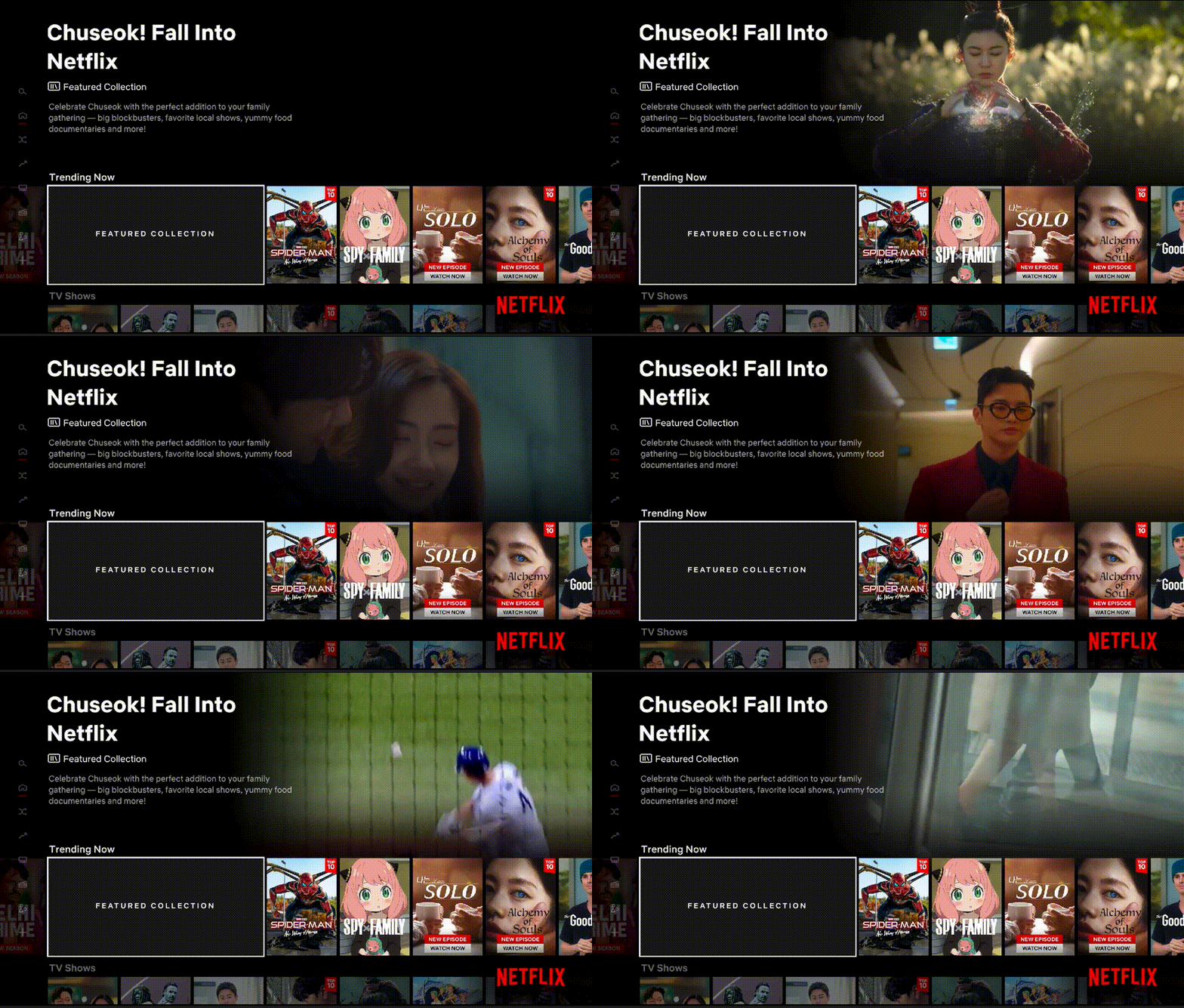
At Netflix, we strive to give our members an excellent personalized experience, helping them make the most successful and satisfying selections from our thousands of titles. We already personalize artwork and trailers, but we hadn’t yet personalized sizzle reels — until now.
A sizzle reel is a montage of video clips from different titles strung together into a seamless A/V asset that gets members excited about upcoming launches (for example,
Building In-Video Search
Boris Chen , Ben Klein , Jason Ge , Avneesh Saluja , Guru Tahasildar , Abhishek Soni , Juan Vimberg , Elliot Chow , Amir Ziai , Varun Sekhri , Santiago Castro , Keila Fong , Kelli Griggs , Mallia Sherzai , Robert Mayer , Andy Yao , Vi Iyengar , Jonathan Solorzano-Hamilton , Hossein Taghavi , Ritwik Kumar
Introduction
Today we’re going to take a look at the behind the scenes technology behind how Netflix creates great trailers, Instagram reels, video shorts and other promotional videos.
Suppose you’re trying to

Streaming SQL in Data Mesh
Democratizing Stream Processing @ Netflix
By Guil Pires , Mark Cho , Mingliang Liu , Sujay Jain
Data powers much of what we do at Netflix. On the Data Platform team, we build the infrastructure used across the company to process data at scale.
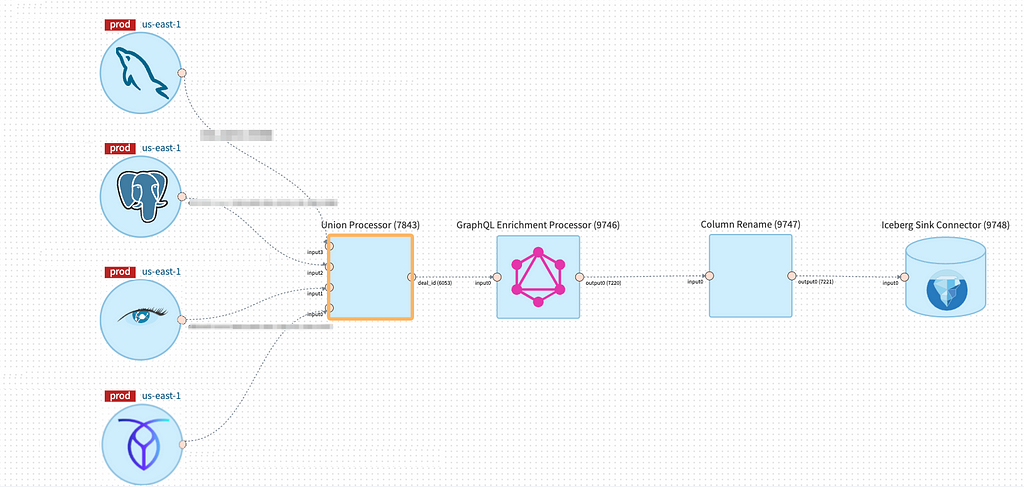
In our last blog post, we introduced “Data Mesh” — A Data Movement and Processing Platform . When a user wants to leverage Data Mesh to move and transform data, they start by creating a new Data Mesh pipeline. The pipeline is composed of individual “Processors”
Kubernetes And Kernel Panics
How Netflix’s Container Platform Connects Linux Kernel Panics to Kubernetes Pods
By Kyle Anderson
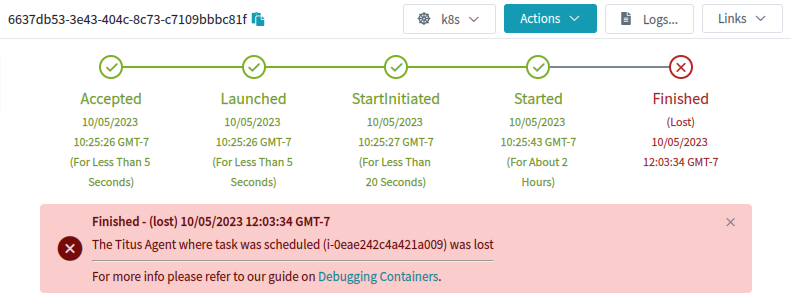
With a recent effort to reduce customer (engineers, not end users) pain on our container platform Titus , I started investigating “orphaned” pods. There are pods that never got to finish and had to be garbage collected with no real satisfactory final status. Our Service job (think ReplicatSet ) owners don’t care too much, but our Batch users care a lot. Without a real return code, how can they know if
Zero Configuration Service Mesh with On-Demand Cluster Discovery
by David Vroom, James Mulcahy, Ling Yuan, Rob Gulewich
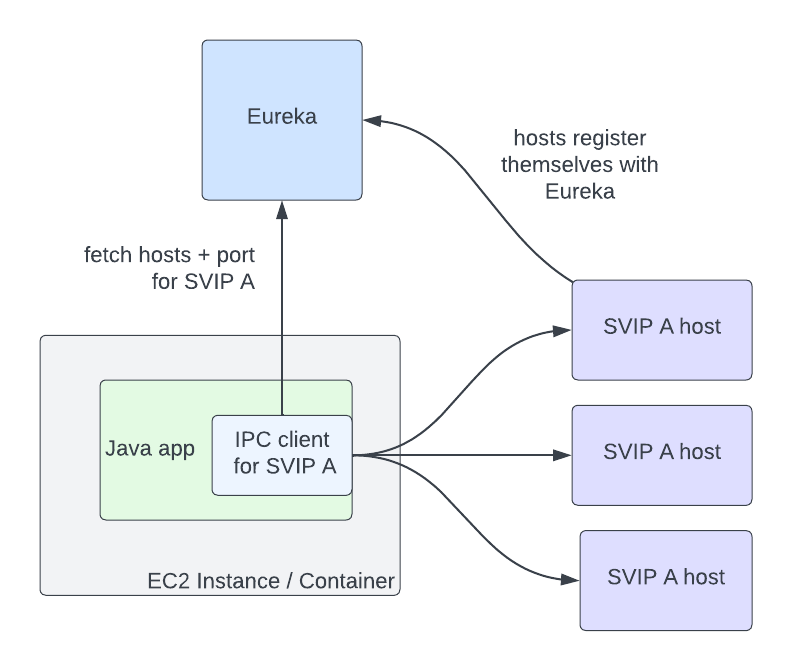
In this post we discuss Netflix’s adoption of service mesh: some history, motivations, and how we worked with Kinvolk and the Envoy community on a feature that streamlines service mesh adoption in complex microservice environments: on-demand cluster discovery.
A brief history of IPC at Netflix
Netflix was early to the cloud, particularly for large-scale companies: we began the migration in 2008, and by 2010, Netflix streaming was