Ready-to-go sample data pipelines with Dataflow
by Jasmine Omeke , Obi-Ike Nwoke , Olek Gorajek
Intro
This post is for all data practitioners, who are interested in learning about bootstrapping, standardization and automation of batch data pipelines at Netflix.
You may remember Dataflow from the post we wrote last year titled Data pipeline asset management with Dataflow . That article was a deep dive into one of the more technical aspects of Dataflow and didn’t properly introduce this tool in the first place. This time we’ll try to give justice to the intro and then we
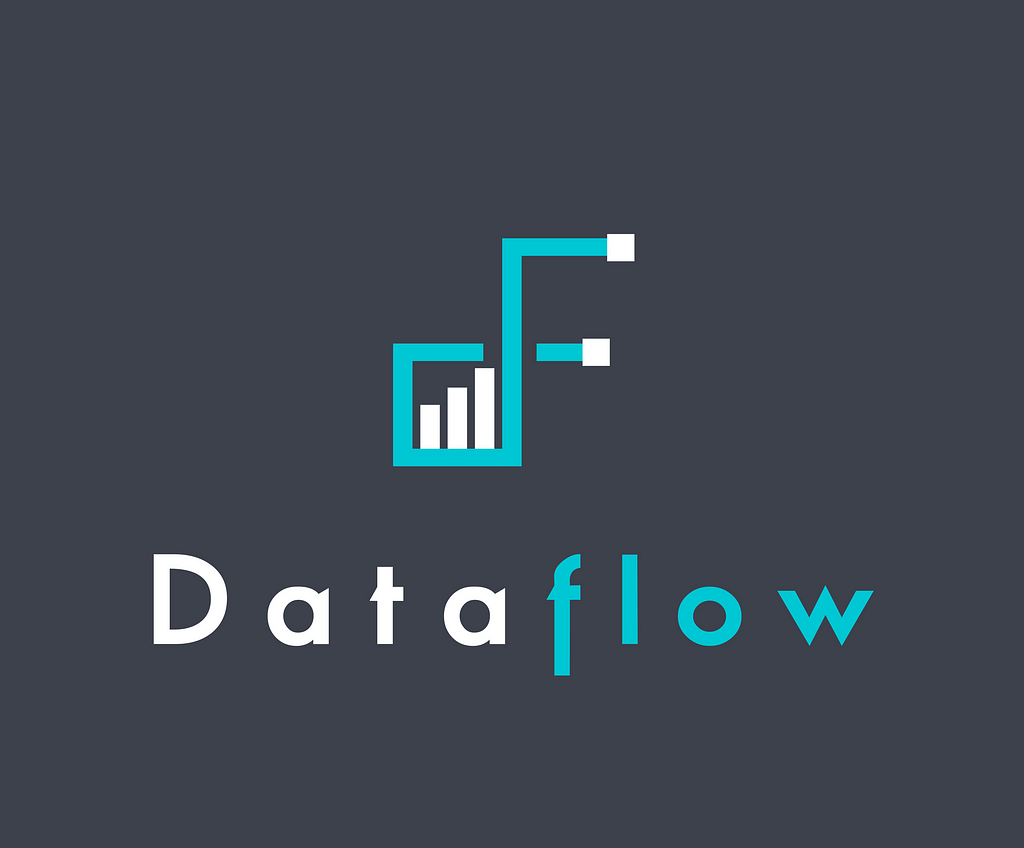
For your eyes only: improving Netflix video quality with neural networks
by Christos G. Bampis , Li-Heng Chen and Zhi Li
When you are binge-watching the latest season of Stranger Things or Ozark, we strive to deliver the best possible video quality to your eyes. To do so, we continuously push the boundaries of streaming video quality and leverage the best video technologies. For example, we invest in next-generation, royalty-free codecs and sophisticated video encoding optimizations . Recently, we added another powerful tool to our arsenal: neural networks for video downscaling. In this
Match Cutting at Netflix: Finding Cuts with Smooth Visual Transitions
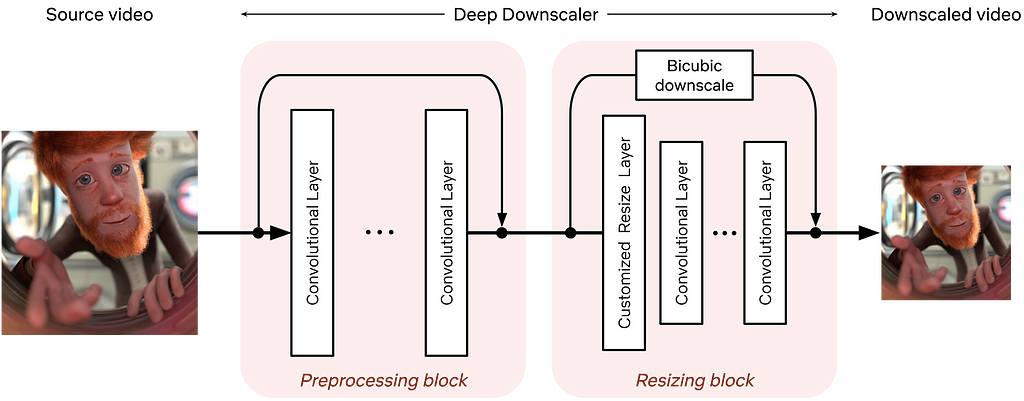
Match Cutting: Finding Cuts with Smooth Visual Transitions Using Machine Learning
By Boris Chen , Kelli Griggs , Amir Ziai , Yuchen Xie , Becky Tucker , Vi Iyengar , Ritwik Kumar , Keila Fong , Nagendra Kamath , Elliot Chow , Robert Mayer , Eugene Lok , Aly Parmelee , Sarah Blank
Creating Media with Machine Learning episode 1
Introduction
At Netflix, part of what we do is build tools to help our creatives make exciting videos to share with the world. Today, we’d like to share some of the work we’

Helping VFX studios pave a path to the cloud
By: Peter Cioni (Netflix), Alex Schworer (Netflix), Mac Moore (Conductor Tech.), Rachel Kelley (AWS), Ranjit Raju (AWS)
Rendering is core to the VFX process
VFX studios around the world create amazing imagery for Netflix productions. Nearly every show that is produced today includes digital visual effects, from the creatures in Stranger Things , to recreating historic London in Bridgerton .
Netflix production teams work with a global roster of VFX studios (both large and small) and their artists to create

New Series: Creating Media with Machine Learning
By Vi Iyengar , Keila Fong , Hossein Taghavi , Andy Yao , Kelli Griggs , Boris Chen , Cristina Segalin , Apurva Kansara , Grace Tang , Billur Engin , Amir Ziai , James Ray , Jonathan Solorzano-Hamilton
Welcome to the first post in our multi-part series on how Netflix is developing and using machine learning (ML) to help creators make better media — from TV shows to trailers to movies to promotional art and so much more.
Media is at the heart of Netflix. It’s our medium for
Machine Learning for Fraud Detection in Streaming Services
By Soheil Esmaeilzadeh , Negin Salajegheh , Amir Ziai , Jeff Boote
Introduction
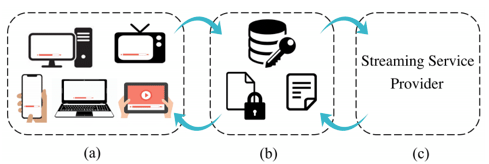
Streaming services serve content to millions of users all over the world. These services allow users to stream or download content across a broad category of devices including mobile phones, laptops, and televisions. However, some restrictions are in place, such as the number of active devices, the number of streams, and the number of downloaded titles. Many users across many platforms make for a uniquely large attack surface that includes content fraud, account fraud, and abuse
Seeing through hardware counters: a journey to threefold performance increase
By Vadim Filanovsky and Harshad Sane
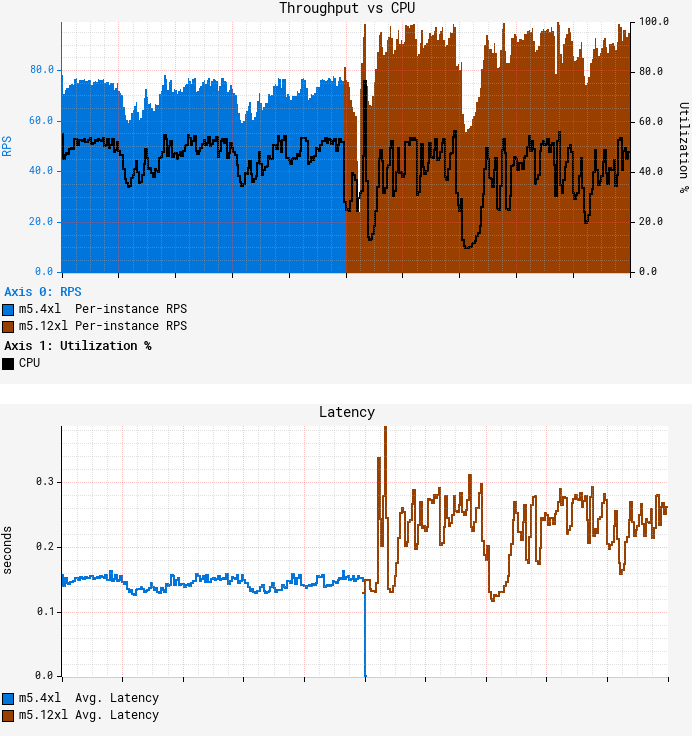
In one of our previous blogposts, A Microscope on Microservices we outlined three broad domains of observability (or “levels of magnification,” as we referred to them) — Fleet-wide, Microservice and Instance. We described the tools and techniques we use to gain insight within each domain. There is, however, a class of problems that requires an even stronger level of magnification going deeper down the stack to introspect CPU microarchitecture. In this blogpost we describe one such problem and the tools
Consistent caching mechanism in Titus Gateway
by Tomasz Bak and Fabio Kung
Introduction
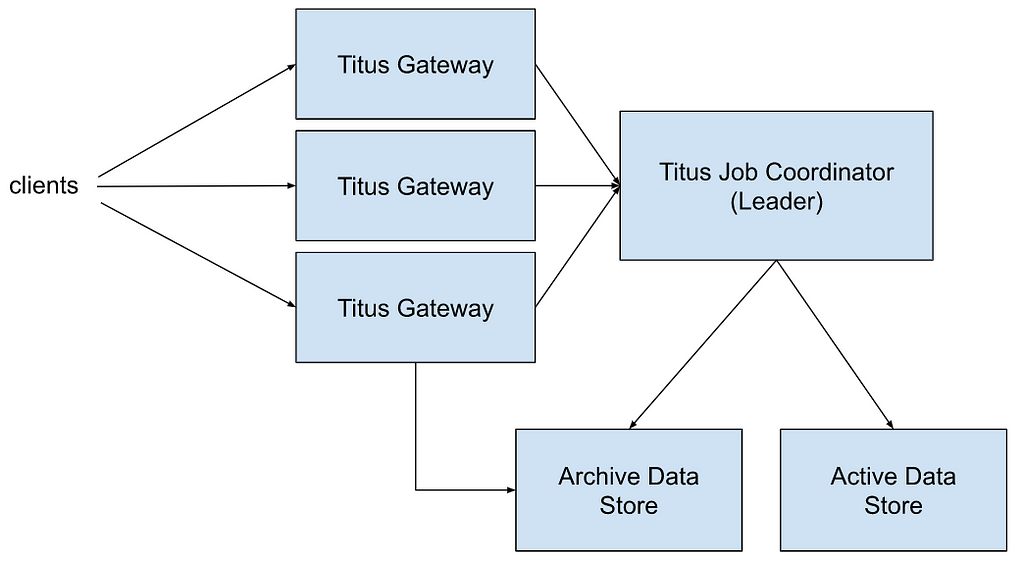
Titus is the Netflix cloud container runtime that runs and manages containers at scale. In the time since it was first presented as an advanced Mesos framework, Titus has transparently evolved from being built on top of Mesos to Kubernetes, handling an ever-increasing volume of containers. As the number of Titus users increased over the years, the load and pressure on the system increased substantially. The original assumptions and architectural choices were no longer viable. This blog post presents how our current iteration of
Orchestrating Data/ML Workflows at Scale With Netflix Maestro
by Jun He , Akash Dwivedi , Natallia Dzenisenka , Snehal Chennuru , Praneeth Yenugutala , Pawan Dixit
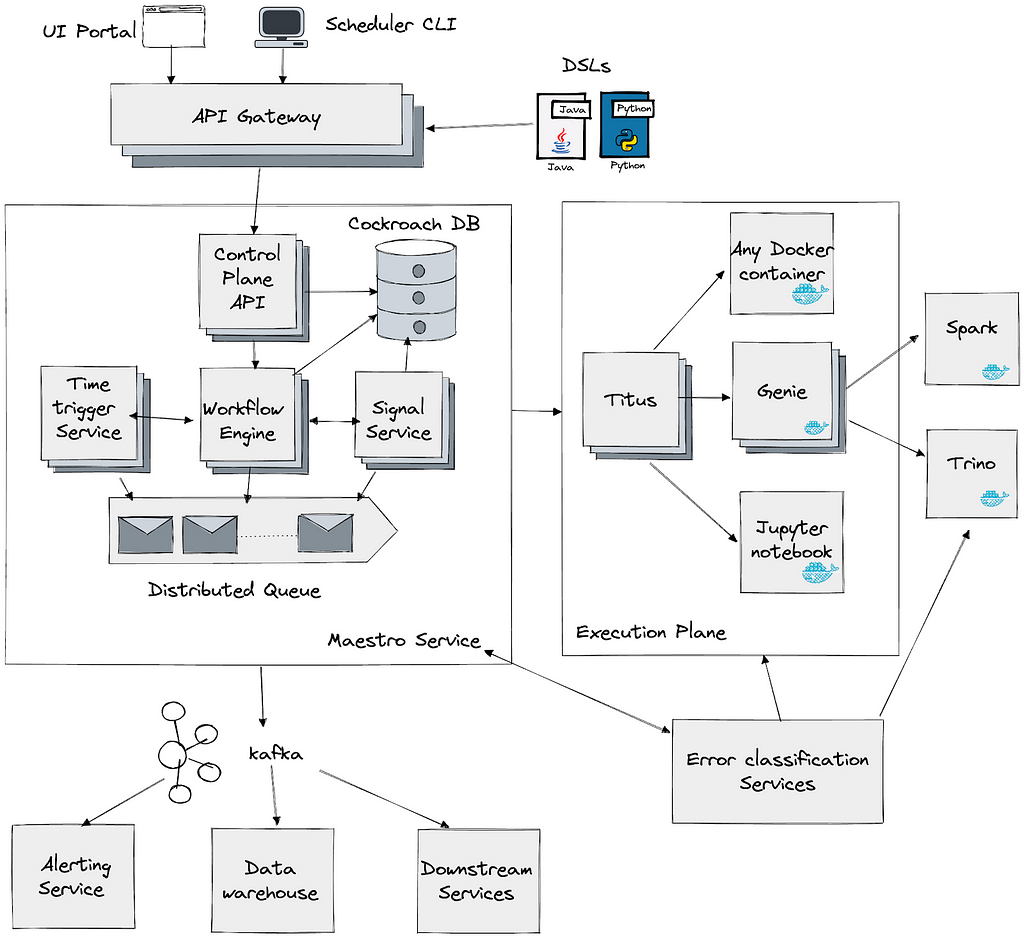
At Netflix, Data and Machine Learning (ML) pipelines are widely used and have become central for the business, representing diverse use cases that go beyond recommendations, predictions and data transformations. A large number of batch workflows run daily to serve various business needs. These include ETL pipelines, ML model training workflows, batch jobs, etc. As Big data and ML became more prevalent and impactful, the scalability, reliability, and
How Product Teams Can Build Empathy Through Experimentation
A conversation between Travis Brooks, Netflix Product Manager for Experimentation Platform, and George Khachatryan, OfferFit CEO
Note: I’ve known George for a little while now, and as we’ve talked a lot about the philosophy of experimentation, he kindly invited me to their office (virtually) for their virtual speaker series. We had a fun conversation with his team, and we realized that some parts of it might make a good blog post as well. So we jointly edited a bit for length and clarity, and