Netflix Video Quality at Scale with Cosmos Microservices
by Christos G. Bampis , Chao Chen , Anush K. Moorthy and Zhi Li
Introduction
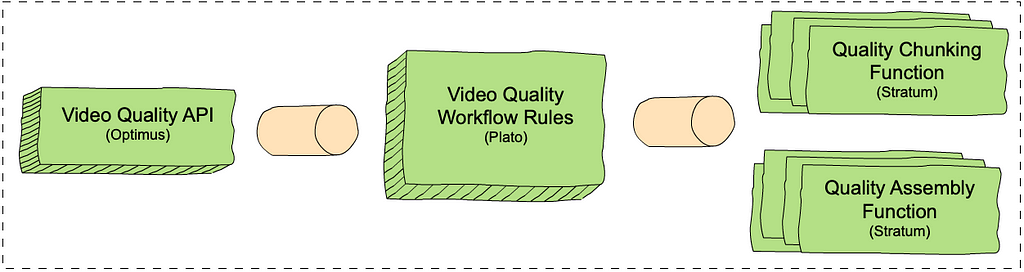
Measuring video quality at scale is an essential component of the Netflix streaming pipeline. Perceptual quality measurements are used to drive video encoding optimizations , perform video codec comparisons , carry out A/B testing and optimize streaming QoE decisions to mention a few. In particular, the VMAF metric lies at the core of improving the Netflix member’s streaming video quality. It has become a de facto standard for perceptual quality measurements within Netflix and,
Data Engineers of Netflix — Interview with Pallavi Phadnis
Data Engineers of Netflix — Interview with Pallavi Phadnis
This post is part of our “ Data Engineers of Netflix ” series, where our very own data engineers talk about their journeys to Data Engineering @ Netflix .
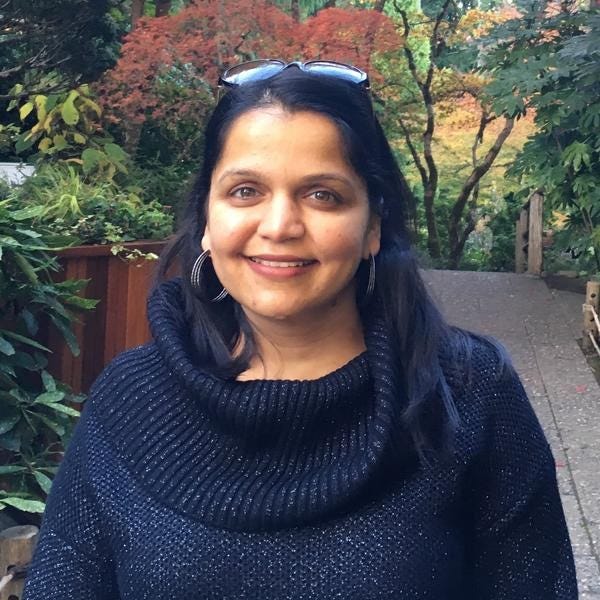
Pallavi Phadnis is a Senior Software Engineer on the Product Data Science and Engineering team . In this post, Pallavi talks about her journey to Netflix and the challenges that keep the work interesting.
Pallavi received her master’s degree from Carnegie Mellon. Before joining Netflix,
Open-Sourcing a Monitoring GUI for Metaflow
Open-Sourcing a Monitoring GUI for Metaflow, Netflix’s ML Platform
tl;dr Today, we are open-sourcing a long-awaited GUI for Metaflow . The Metaflow GUI allows data scientists to monitor their workflows in real-time, track experiments, and see detailed logs and results for every executed task. The GUI can be extended with plugins, allowing the community to build integrations to other systems, custom visualizations, and embed upcoming features of Metaflow directly into its views.
https://medium.com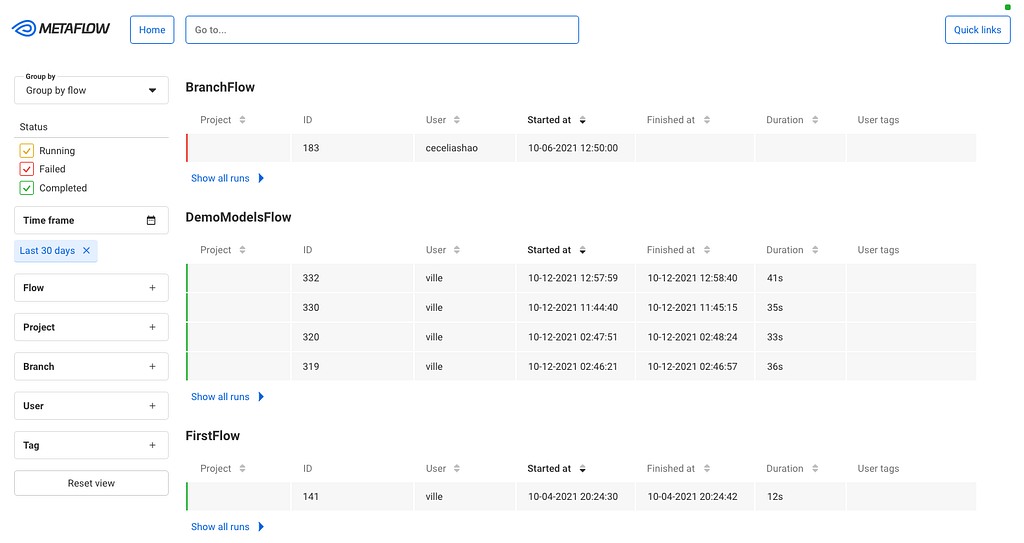
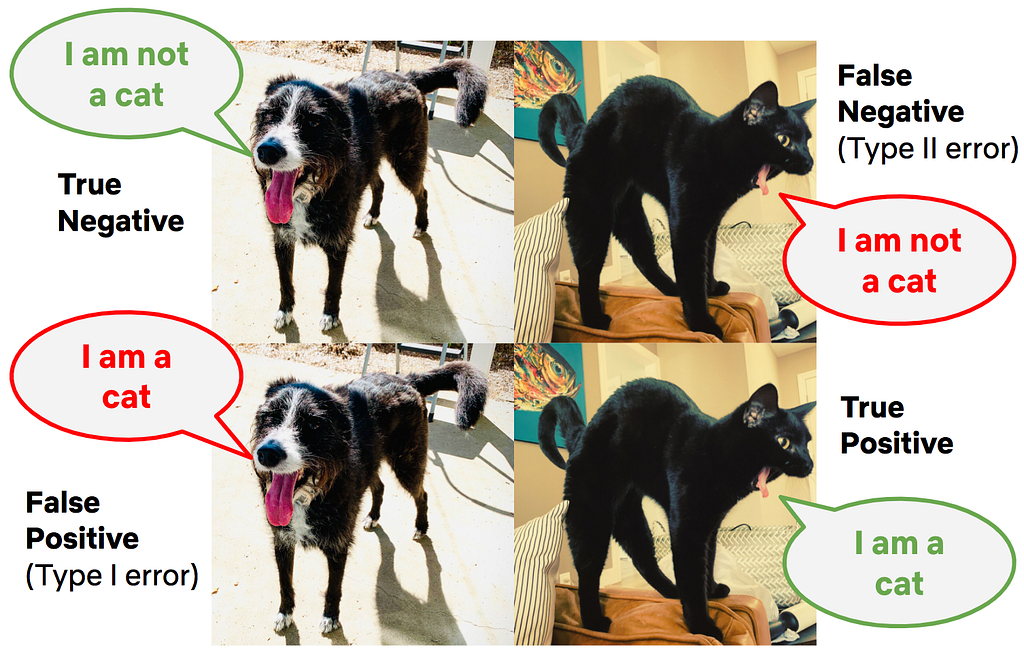
Interpreting A/B test results: false negatives and power
Martin Tingley with Wenjing Zheng , Simon Ejdemyr , Stephanie Lane , and Colin McFarland
This is the fourth post in a multi-part series on how Netflix uses A/B tests to inform decisions and continuously innovate on our products. Need to catch up? Have a look at Part 1 (Decision Making at Netflix), Part 2 (What is an A/B Test?), Part 3 (False positives and statistical significance). Subsequent posts will go into more details on experimentation across Netflix, how Netflix has

Revisiting BetterTLS: Certificate Path Building
By Ian Haken
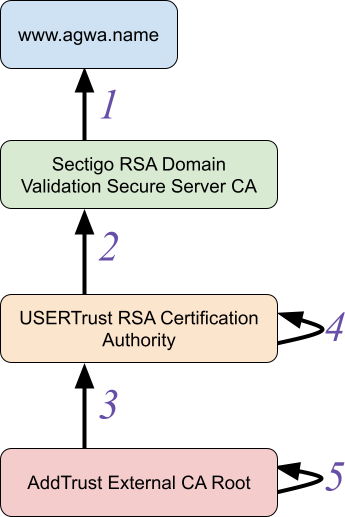
Last year the AddTrust root certificate expired and lots of clients had a bad time . Some Roku devices weren’t working right, Heroku had problems , and some folks couldn’t even curl . In the aftermath Ryan Sleevi wrote a really great blog post not just about the issue of this one certificate’s expiry, but the problem that so many TLS implementations have in general with certificate path building. If you haven’t read that blog post, you should. This post is probably going to
CAMBI, a banding artifact detector
by Joel Sole, Mariana Afonso, Lukas Krasula, Zhi Li, and Pulkit Tandon
Introducing the banding artifacts detector developed by Netflix aiming at further improving the delivered video quality
Banding artifacts can be pretty annoying. But, first of all, you may wonder, what is a banding artifact?
Banding artifact?
You are at home enjoying a show on your brand-new TV. Great content delivered at excellent quality. But then, you notice some bands in an otherwise beautiful sunset scene. What was that? A sci-

Safe Updates of Client Applications at Netflix
By Minal Mishra
Quality of a client application is of paramount importance to global digital products, as it is the primary way customers interact with a brand. At Netflix, we have significant investments in ensuring new versions of our applications are well tested. However, Netflix is available for streaming on thousands of types of devices and it is powered by hundreds of micro-services which are deployed independently, making it extremely challenging to comprehensively test internally. Hence, it became important to supplement our release decisions with strong evidence received from the

Interpreting A/B test results: false positives and statistical significance
Martin Tingley with Wenjing Zheng , Simon Ejdemyr , Stephanie Lane , and Colin McFarland
This is the third post in a multi-part series on how Netflix uses A/B tests to inform decisions and continuously innovate on our products. Need to catch up? Have a look at Part 1 (Decision Making at Netflix) and Part 2 (What is an A/B Test?). Subsequent posts will go into more details on experimentation across Netflix, how Netflix has invested in infrastructure to support and scale experimentation, and
How We Build Micro Frontends With Lattice
Written by Michael Possumato , Nick Tomlin , Jordan Andree , Andrew Shim , and Rahul Pilani .
As we continue to grow here at Netflix, the needs of Revenue and Growth Engineering are rapidly evolving; and our tools must also evolve just as rapidly. The Revenue and Growth Tools (RGT) team decided to set off on a journey to build tools in an abstract manner to have solutions readily available within our organization. We identified common design patterns and architectures scattered across various tools which were all duplicating efforts in some way or
Netflix Cloud Packaging in the Terabyte Era
By Xiaomei Liu , Rosanna Lee , Cyril Concolato
Introduction
Behind the scenes of the beloved Netflix streaming service and content, there are many technology innovations in media processing. Packaging has always been an important step in media processing. After content ingestion, inspection and encoding, the packaging step encapsulates encoded video and audio in codec agnostic container formats and provides features such as audio video synchronization, random access and DRM protection. Our previous tech blog Packaging award-winning shows with award-winning technology detailed our packaging technology deployed on the streaming
