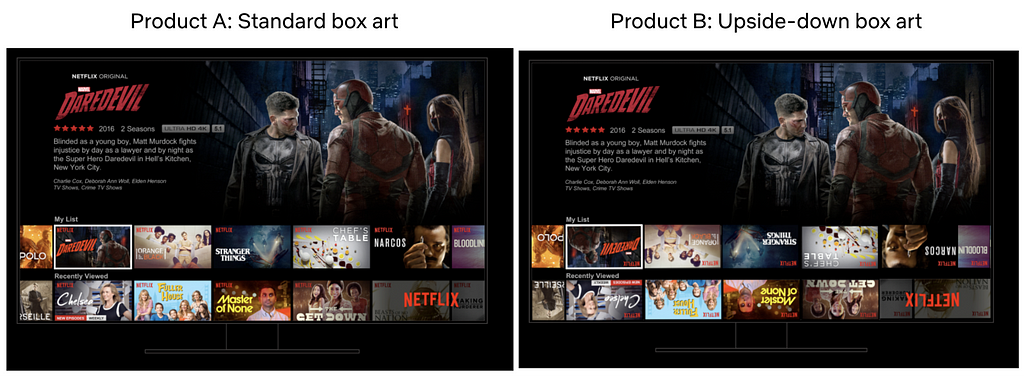
What is an A/B Test?
Martin Tingley with Wenjing Zheng , Simon Ejdemyr , Stephanie Lane , and Colin McFarland
This is the second post in a multi-part series on how Netflix uses A/B tests to inform decisions and continuously innovate on our products. See here for Part 1: Decision Making at Netflix. Subsequent posts will go into more details on the statistics of A/B tests, experimentation across Netflix, how Netflix has invested in infrastructure to support and scale experimentation, and the importance of the culture of experimentation within Netflix.
An A
Practical API Design at Netflix, Part 2: Protobuf FieldMask for Mutation Operations
By Ricky Gardiner , Alex Borysov
Background
In our previous post , we discussed how we utilize FieldMask as a solution when designing our APIs so that consumers can request the data they need when fetched via gRPC. In this blog post we will continue to cover how Netflix Studio Engineering uses FieldMask for mutation operations such as update and remove.
Example: Netflix Studio Production
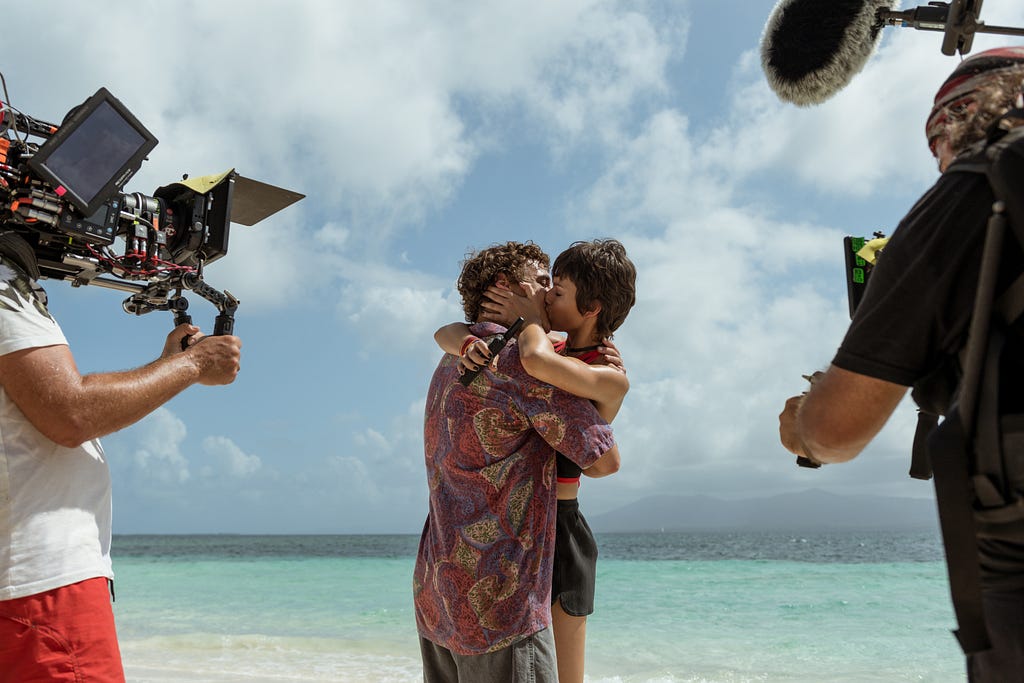
Previously we outlined what a Production is and how the Production Service makes gRPC calls to other microservices such as the Schedule
The Show Must Go On: Securing Netflix Studios At Scale
Written by Jose Fernandez , Arthur Gonigberg , Julia Knecht , and Patrick Thomas
In 2017, Netflix Studios was hitting an inflection point from a period of merely rapid growth to the sort of explosive growth that throws “how do we scale?” into every conversation. The vision was to create a “Studio in the Cloud”, with applications supporting every part of the business from pitch to play. The security team was working diligently to support this effort, faced with two apparently contradictory priorities:
- 1) streamline
Decision Making at Netflix
Martin Tingley with Wenjing Zheng , Simon Ejdemyr , Stephanie Lane , and Colin McFarland
This introduction is the first in a multi-part series on how Netflix uses A/B tests to make decisions that continuously improve our products, so we can deliver more joy and satisfaction to our members. Subsequent posts will cover the basic statistical concepts underpinning A/B tests, the role of experimentation across Netflix, how Netflix has invested in infrastructure to support and scale experimentation, and the importance of the culture of experimentation within Netflix.
Netflix
Practical API Design at Netflix, Part 1: Using Protobuf FieldMask
By Alex Borysov , Ricky Gardiner
Background
At Netflix, we heavily use gRPC for the purpose of backend to backend communication. When we process a request it is often beneficial to know which fields the caller is interested in and which ones they ignore. Some response fields can be expensive to compute, some fields can require remote calls to other services. Remote calls are never free; they impose extra latency, increase probability of an error, and consume network bandwidth. How can we understand which fields the caller doesn’t need
Towards a Reliable Device Management Platform
By Benson Ma , Alok Ahuja
Introduction
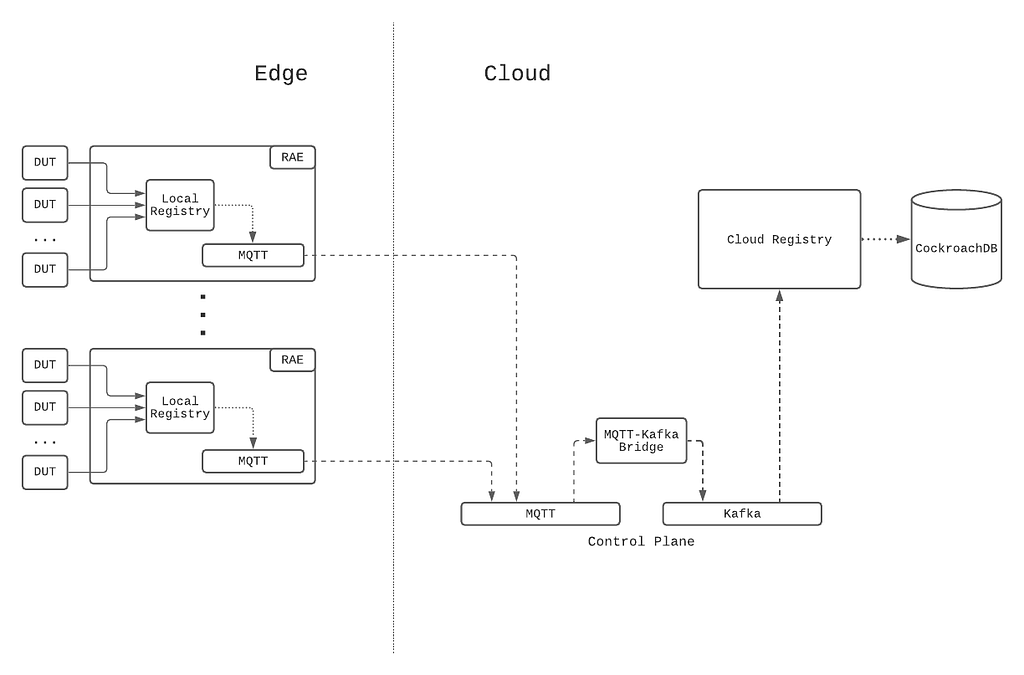
At Netflix, hundreds of different device types, from streaming sticks to smart TVs, are tested every day through automation to ensure that new software releases continue to deliver the quality of the Netflix experience that our customers enjoy. In addition, Netflix continuously works with its partners (such as Roku, Samsung, LG, Amazon) to port the Netflix SDK to their new and upcoming devices (TVs, smart boxes, etc), to ensure the quality bar is reached before allowing the Netflix
Data Movement in Netflix Studio via Data Mesh
By Andrew Nguonly , Armando Magalhães , Obi-Ike Nwoke , Shervin Afshar , Sreyashi Das , Tongliang Liu , Wei Liu , Yucheng Zeng
Background
Over the next few years, most content on Netflix will come from Netflix’s own Studio. From the moment a Netflix film or series is pitched and long before it becomes available on Netflix, it goes through many phases . This happens at an unprecedented scale and introduces many interesting challenges; one of the challenges is how to provide visibility of Studio data across multiple phases

Data Engineers of Netflix — Interview with Kevin Wylie
Data Engineers of Netflix — Interview with Kevin Wylie
This post is part of our “Data Engineers of Netflix” series, where our very own data engineers talk about their journeys to Data Engineering @ Netflix .
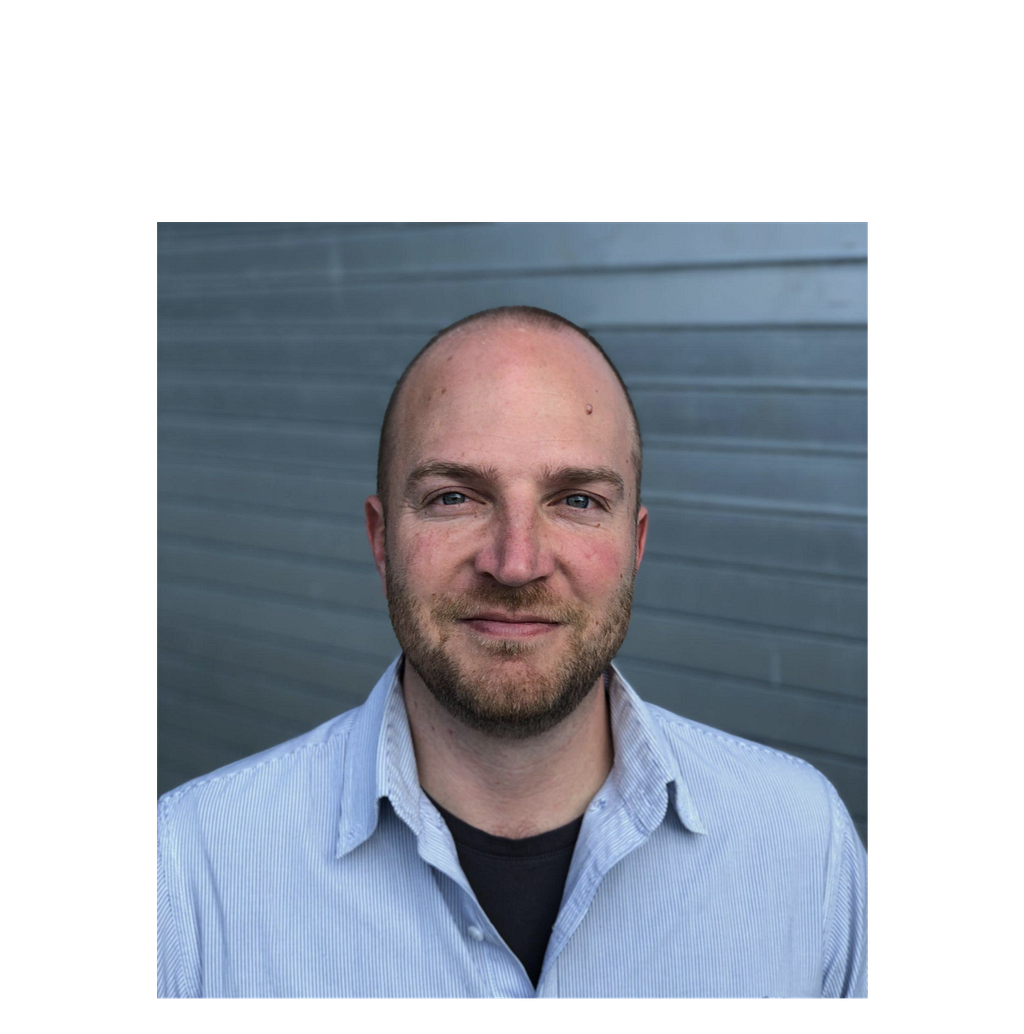
Kevin Wylie is a Data Engineer on the Content Data Science and Engineering team. In this post, Kevin talks about his extensive experience in content analytics at Netflix since joining more than 10 years ago.
Kevin grew up in the Washington, DC area, and received his undergraduate degree in Mathematics from Virginia Tech. Before
Exploring Data @ Netflix
By Gim Mahasintunan on behalf of Data Platform Engineering.
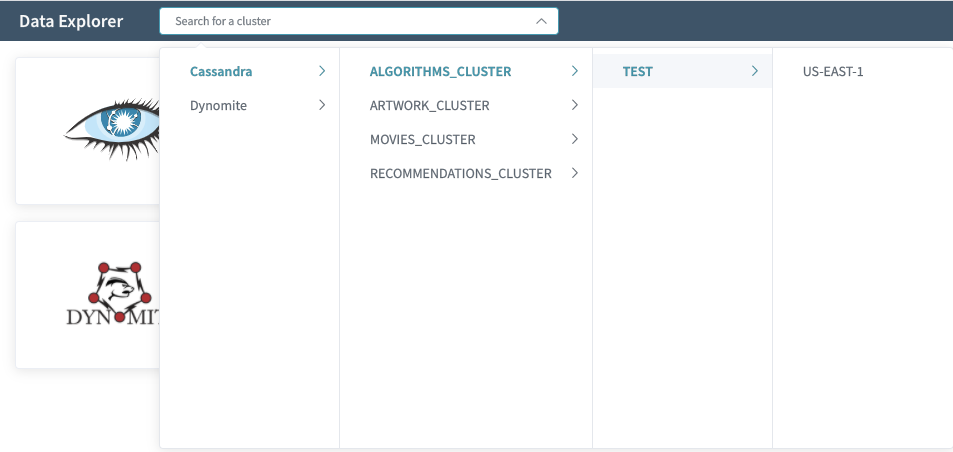
Supporting a rapidly growing base of engineers of varied backgrounds using different data stores can be challenging in any organization. Netflix’s internal teams strive to provide leverage by investing in easy-to-use tooling that streamlines the user experience and incorporates best practices.
In this blog post, we are thrilled to share that we are open-sourcing one such tool: the Netflix Data Explorer. The Data Explorer gives our engineers fast, safe access to their data stored in Cassandra
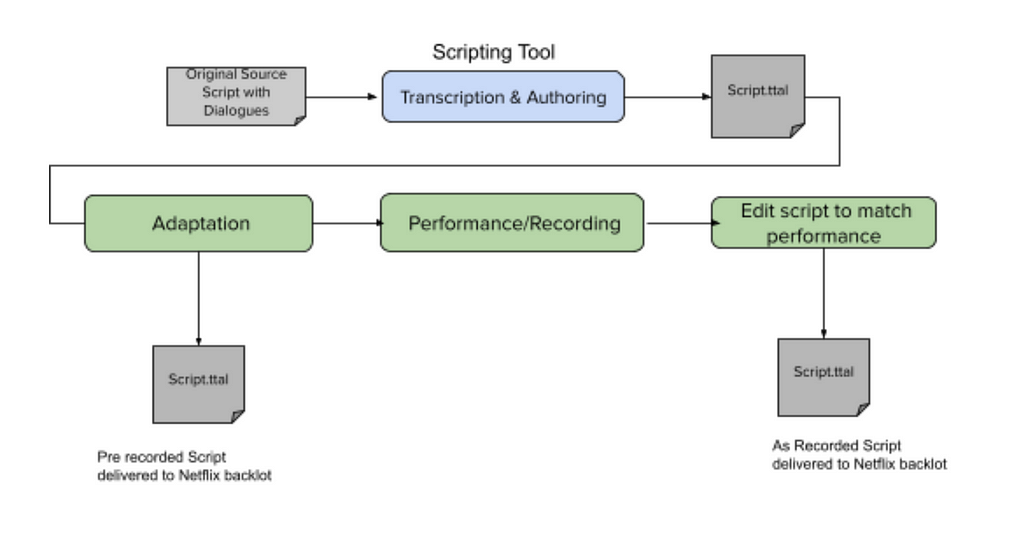
Introducing Netflix Timed Text Authoring Lineage
A Script Authoring Specification
By: Bhanu Srikanth, Andy Swan, Casey Wilms, Patrick Pearson
The Art of Dubbing and Subtitling
Dubbing and subtitling are inherently creative processes. At Netflix, we strive to make shows as joyful to watch in every language as in the original language, whether a member watches with original or dubbed audio, closed captions, forced narratives, subtitles or any combination they prefer. Capturing creative vision and nuances in translation is critical to achieving this goal. Creating a dub or a subtitle is a complex, multi