Timestone: Netflix’s High-Throughput, Low-Latency Priority Queueing System with Built-in Support…
Timestone: Netflix’s High-Throughput, Low-Latency Priority Queueing System with Built-in Support for Non-Parallelizable Workloads
Introduction
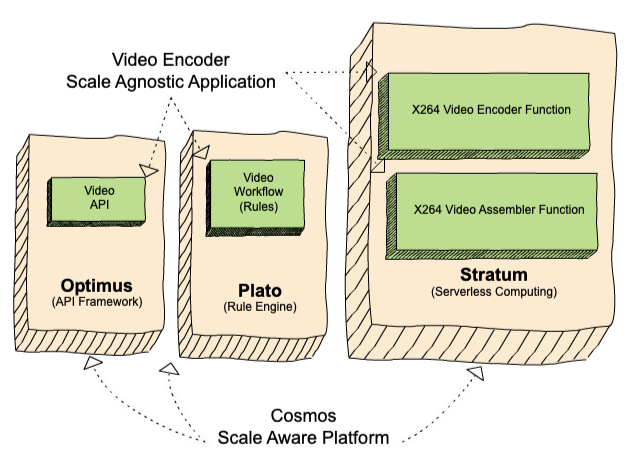
Timestone is a high-throughput, low-latency priority queueing system we built in-house to support the needs of Cosmos , our media encoding platform. Over the past 2.5 years, its usage has increased, and Timestone is now also the priority queueing engine backing Conductor , our general-purpose workflow orchestration engine, and BDP Scheduler , the scheduler for large
Reinforcement Learning for Budget Constrained Recommendations
by Ehtsham Elahi
with James McInerney , Nathan Kallus , Dario Garcia Garcia and Justin Basilico
Introduction
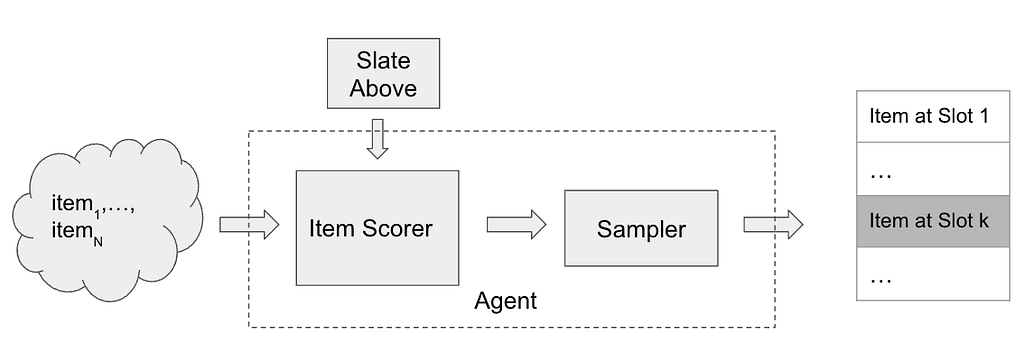
This writeup is about using reinforcement learning to construct an optimal list of recommendations when the user has a finite time budget to make a decision from the list of recommendations. Working within the time budget introduces an extra resource constraint for the recommender system. It is similar to many other decision problems (for e.g. in economics and operations research) where the entity making the decision has to find tradeoffs in the face of finite resources
Virtual Production — A Validation Framework For Unreal Engine
Virtual Production — A Validation Framework For Unreal Engine
By Adam Davis, Jimmy Fusil, Bhanu Srikanth and Girish Balakrishnan
Game Engines in Virtual Production
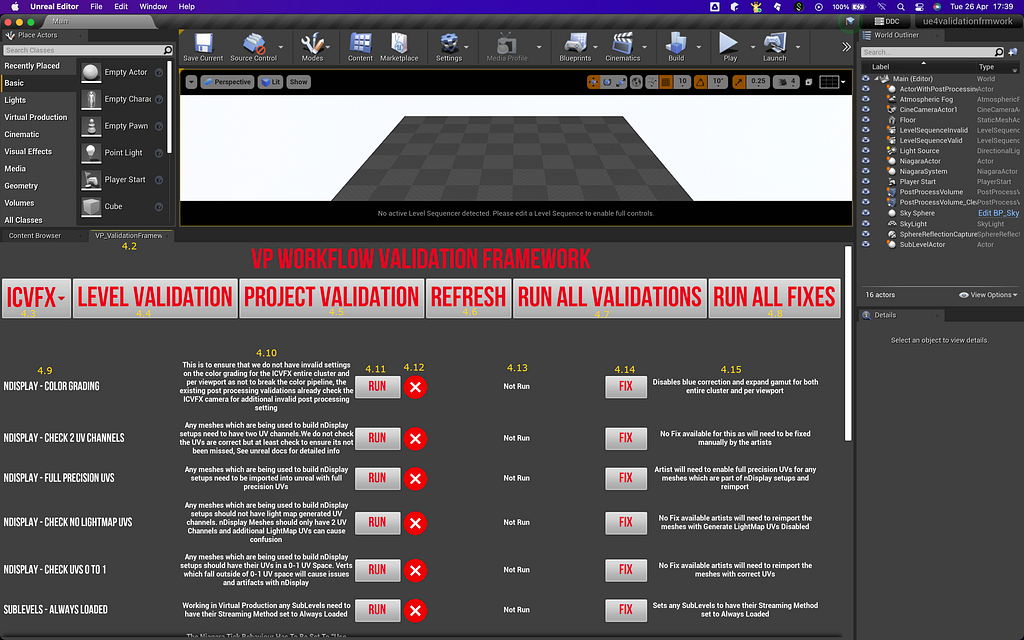
The use of Virtual Production and real time technologies has markedly accelerated in the past few years. At Netflix, we are always thrilled to see technology enable new ways of telling stories, and the use of these techniques on some of our shows like 1899 and Super Giant Robot Brothers has given us a front row seat to this exciting evolution in filmmaking. Each production that deploys
Data Mesh — A Data Movement and Processing Platform @ Netflix
Data Mesh — A Data Movement and Processing Platform @ Netflix
By Bo Lei , Guilherme Pires , James Shao , Kasturi Chatterjee , Sujay Jain , Vlad Sydorenko
Background
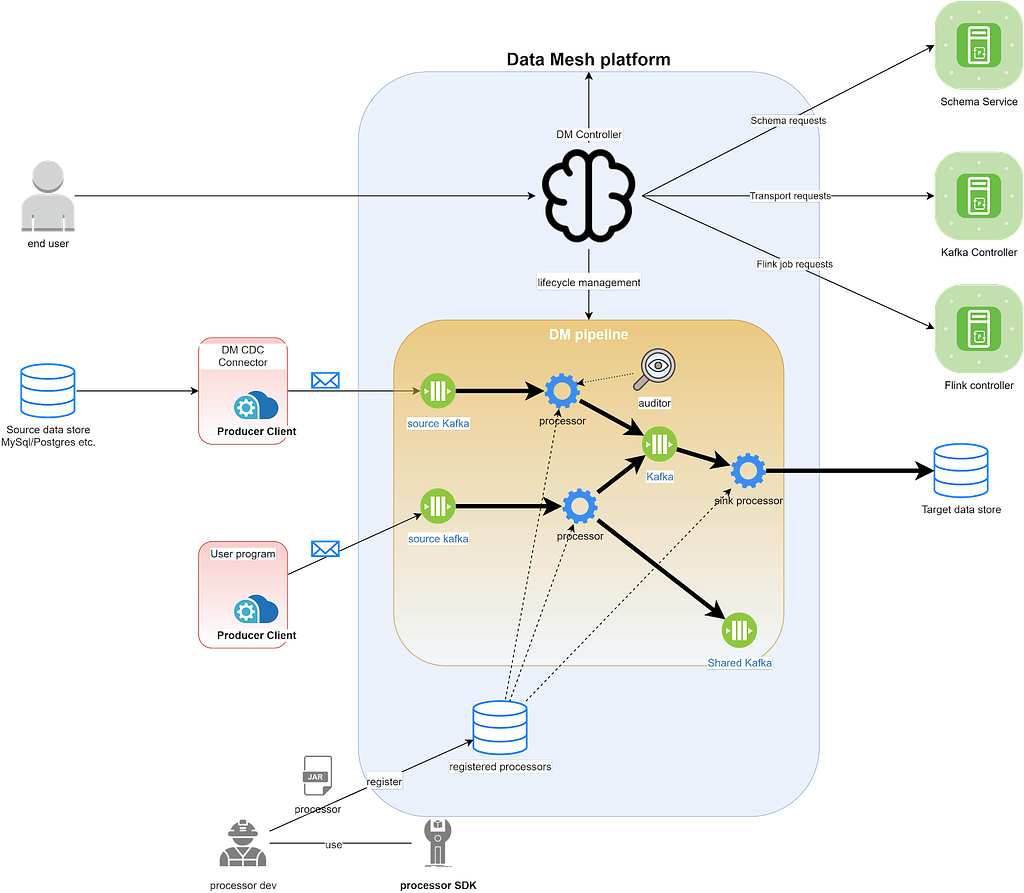
Realtime processing technologies (A.K.A stream processing) is one of the key factors that enable Netflix to maintain its leading position in the competition of entertaining our users. Our previous generation of streaming pipeline solution Keystone has a proven track record of serving multiple of our key business needs. However, as we expand our offerings and try out new ideas, there
Formulating ‘Out of Memory Kill’ Prediction on the Netflix App as a Machine Learning Problem
by Aryan Mehra
with Farnaz Karimdady Sharifabad , Prasanna Vijayanathan , Chaïna Wade , Vishal Sharma and Mike Schassberger
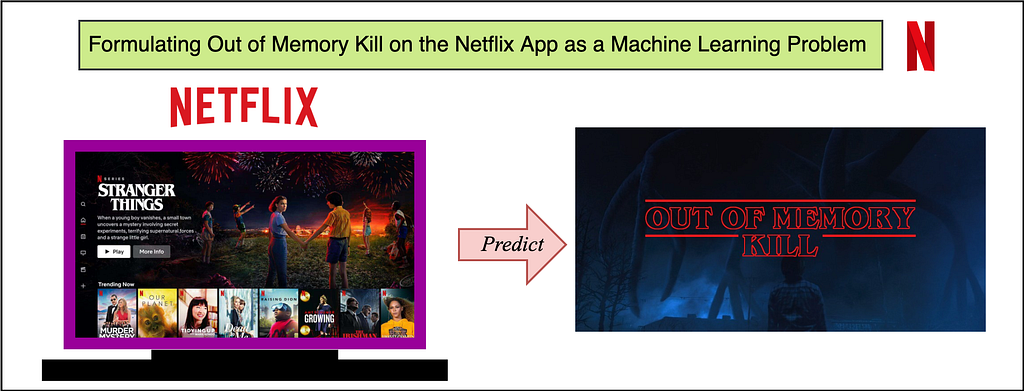
Aim and Purpose — Problem Statement
The purpose of this article is to give insights into analyzing and predicting “out of memory” or OOM kills on the Netflix App. Unlike strong compute devices, TVs and set top boxes usually have stronger memory constraints. More importantly, the low resource availability or “out of memory” scenario is one of the common reasons for crashes/kills. We at Netflix, as a
How Netflix Content Engineering makes a federated graph searchable (Part 2)
By Alex Hutter , Falguni Jhaveri , and Senthil Sayeebaba
In a previous post , we described the indexing architecture of Studio Search and how we scaled the architecture by building a config-driven self-service platform that allowed teams in Content Engineering to spin up search indices easily.
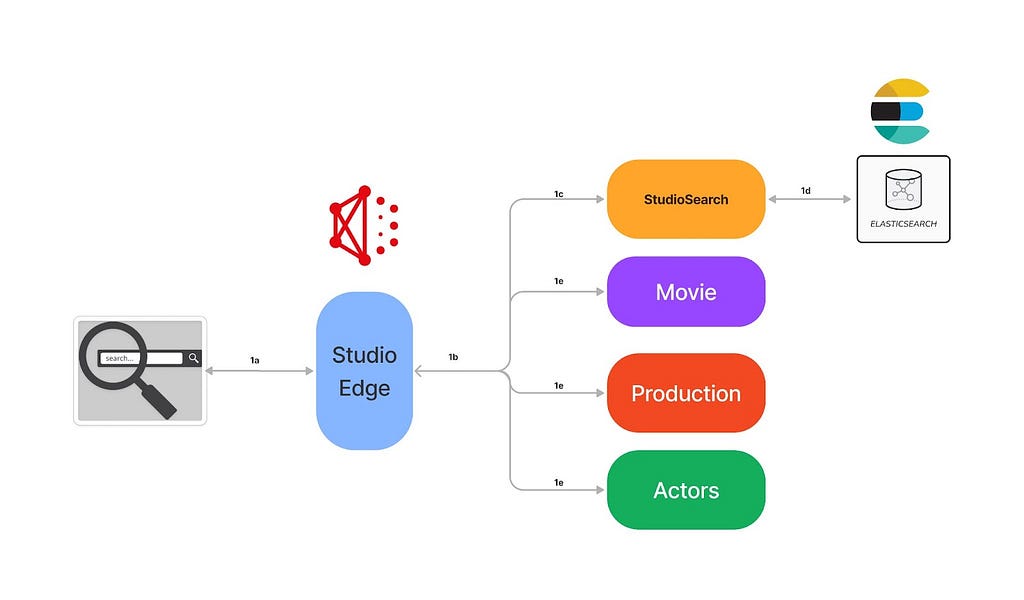
This post will discuss how Studio Search supports querying the data available in these indices.
Introduction
When we say Content Engineering teams are interested in searching against the federated graph, the use-case is mainly focused on known-
Scaling Appsec at Netflix (Part 2)
By Astha Singhal , Lakshmi Sudheer , Julia Knecht
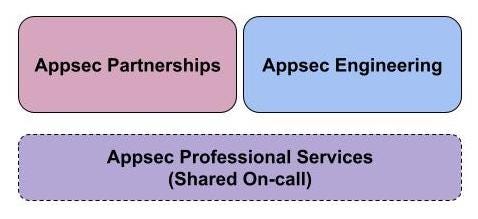
The Application Security teams at Netflix are responsible for securing the software footprint that we create to run the Netflix product, the Netflix studio, and the business. Our customers are product and engineering teams at Netflix that build these software services and platforms. The Netflix cultural values of ‘Context not Control’ and ‘Freedom and Responsibility’ strongly influence how we do Security at Netflix. Our goal is to manage security risks to Netflix via clear, opinionated security guidance, and by providing
A Survey of Causal Inference Applications at Netflix
At Netflix, we want to entertain the world through creating engaging content and helping members discover the titles they will love. Key to that is understanding causal effects that connect changes we make in the product to indicators of member joy.
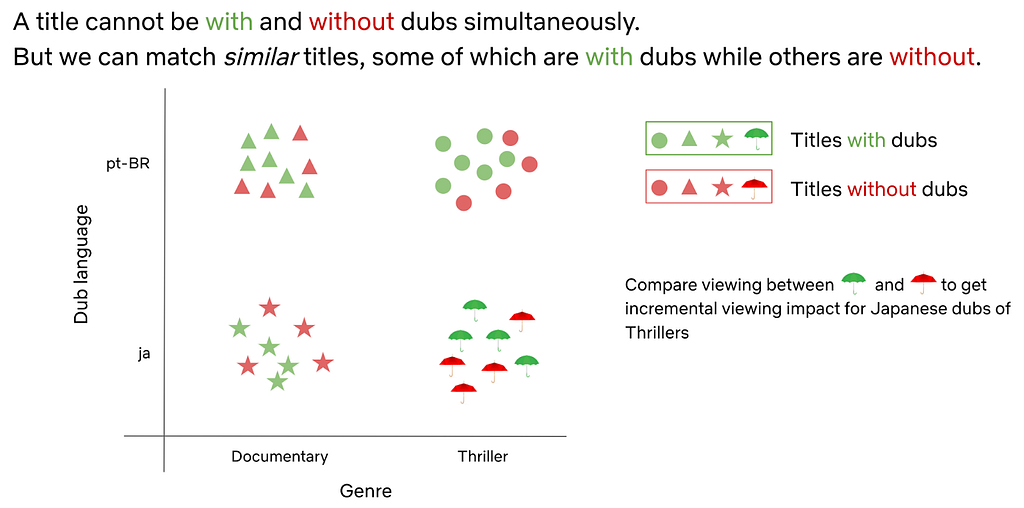
To measure causal effects we rely heavily on AB testing , but we also leverage quasi-experimentation in cases where AB testing is limited. Many scientists across Netflix have contributed to the way that Netflix analyzes these causal effects.
To celebrate that impact and learn from each other, Netflix scientists recently came
Evolution of ML Fact Store
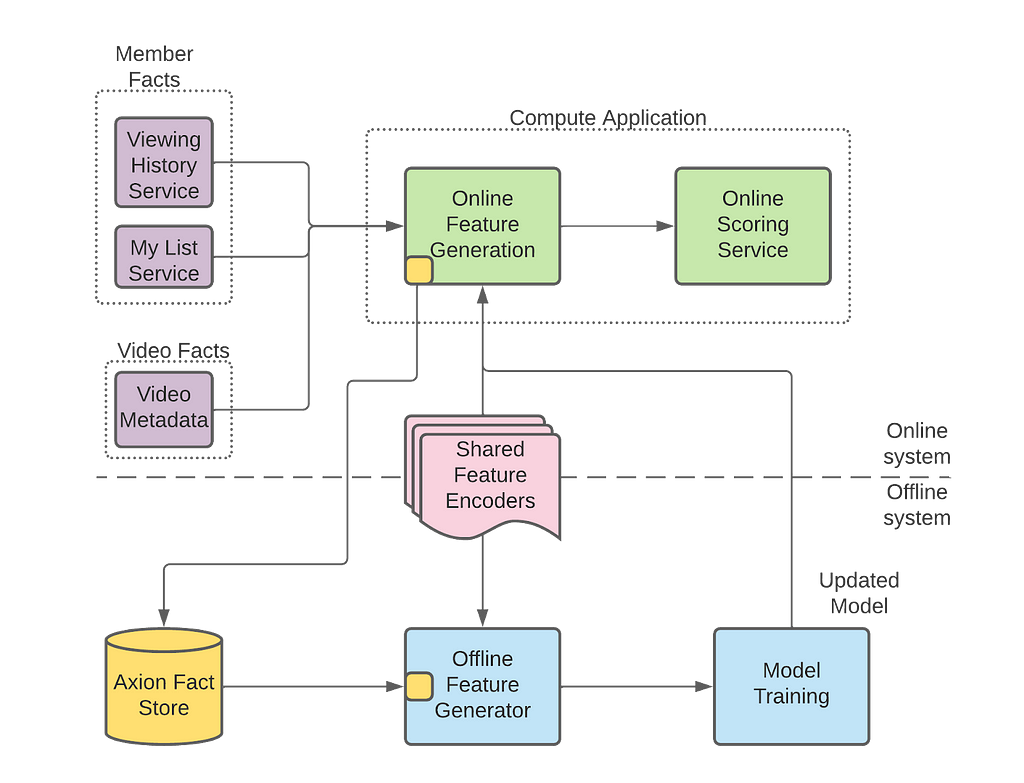
At Netflix, we aim to provide recommendations that match our members’ interests. To achieve this, we rely on Machine Learning (ML) algorithms. ML algorithms can be only as good as the data that we provide to it. This post will focus on the large volume of high-quality data stored in Axion — our fact store that is leveraged to compute ML features offline. We built Axion primarily to remove any training-serving skew and make offline experimentation faster. We will share how its design
How Netflix Content Engineering makes a federated graph searchable
By Alex Hutter , Falguni Jhaveri and Senthil Sayeebaba
Over the past few years Content Engineering at Netflix has been transitioning many of its services to use a federated GraphQL platform. GraphQL federation enables domain teams to independently build and operate their own Domain Graph Services (DGS) and, at the same time, connect their domain with other domains in a unified GraphQL schema exposed by a federated gateway .
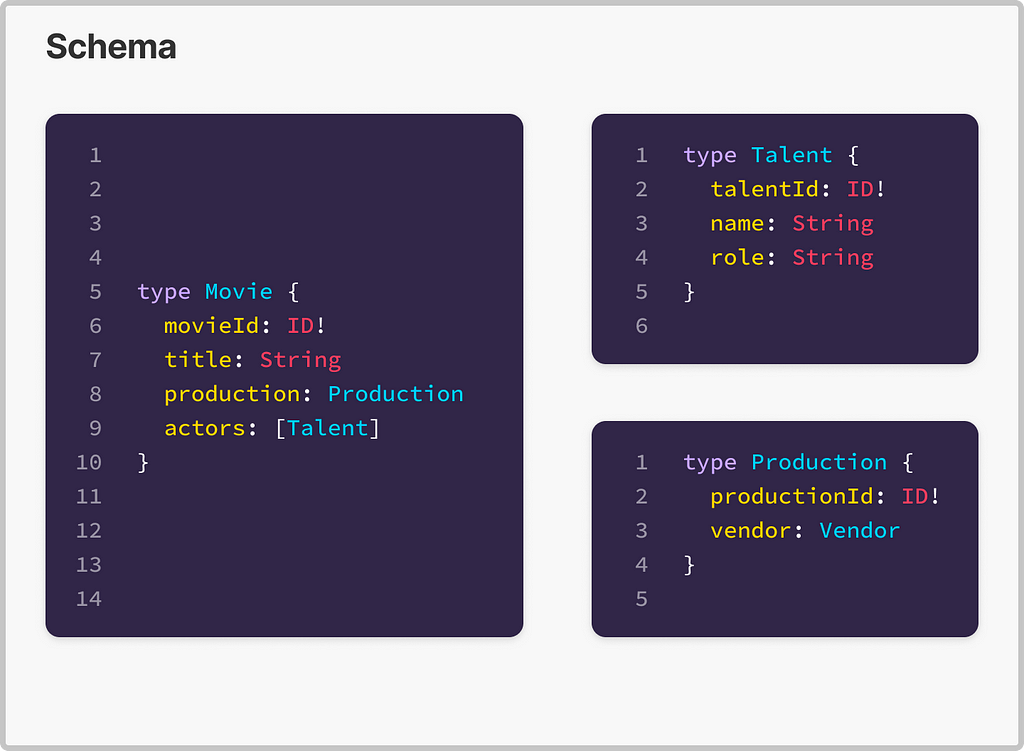
As an example, let’s examine three core entities of the graph, each owned by separate engineering teams:
- Movie : At Netflix