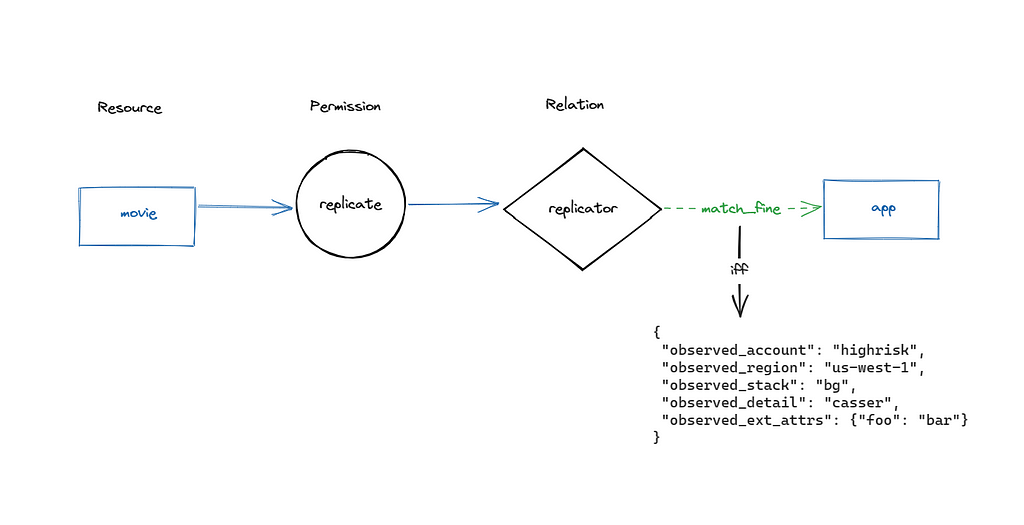
AVA Discovery View: Surfacing Authentic Moments
By: Hamid Shahid , Laura Johnson , Tiffany Low
Synopsis
At Netflix, we have created millions of artwork to represent our titles. Each artwork tells a story about the title it represents. From our testing on promotional assets , we know which of these assets have performed well and which ones haven’t. Through this, our teams have developed an intuition of what visual and thematic artwork characteristics work well for what genres of titles. A piece of promotional artwork may resonate more in certain regions, for certain genres, or
Curbing Connection Churn in Zuul
By Arthur Gonigberg , Argha C
Plaintext Past
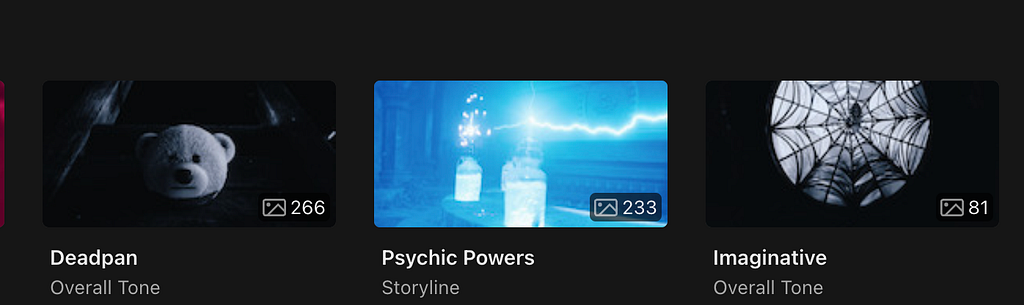
When Zuul was designed and developed , there was an inherent assumption that connections were effectively free, given we weren’t using mutual TLS (mTLS). It’s built on top of Netty , using event loops for non-blocking execution of requests, one loop per core. To reduce contention among event loops, we created connection pools for each, keeping them completely independent. The result is that the entire request-response cycle happens on the same thread, significantly reducing
Detecting Scene Changes in Audiovisual Content
Avneesh Saluja , Andy Yao , Hossein Taghavi
Introduction
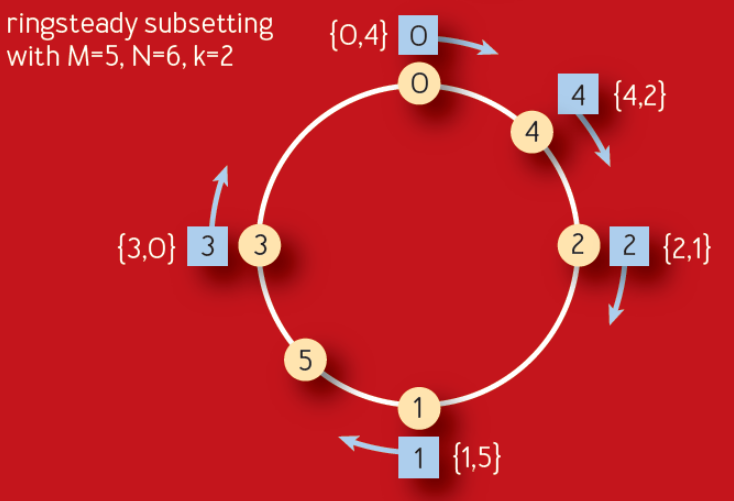
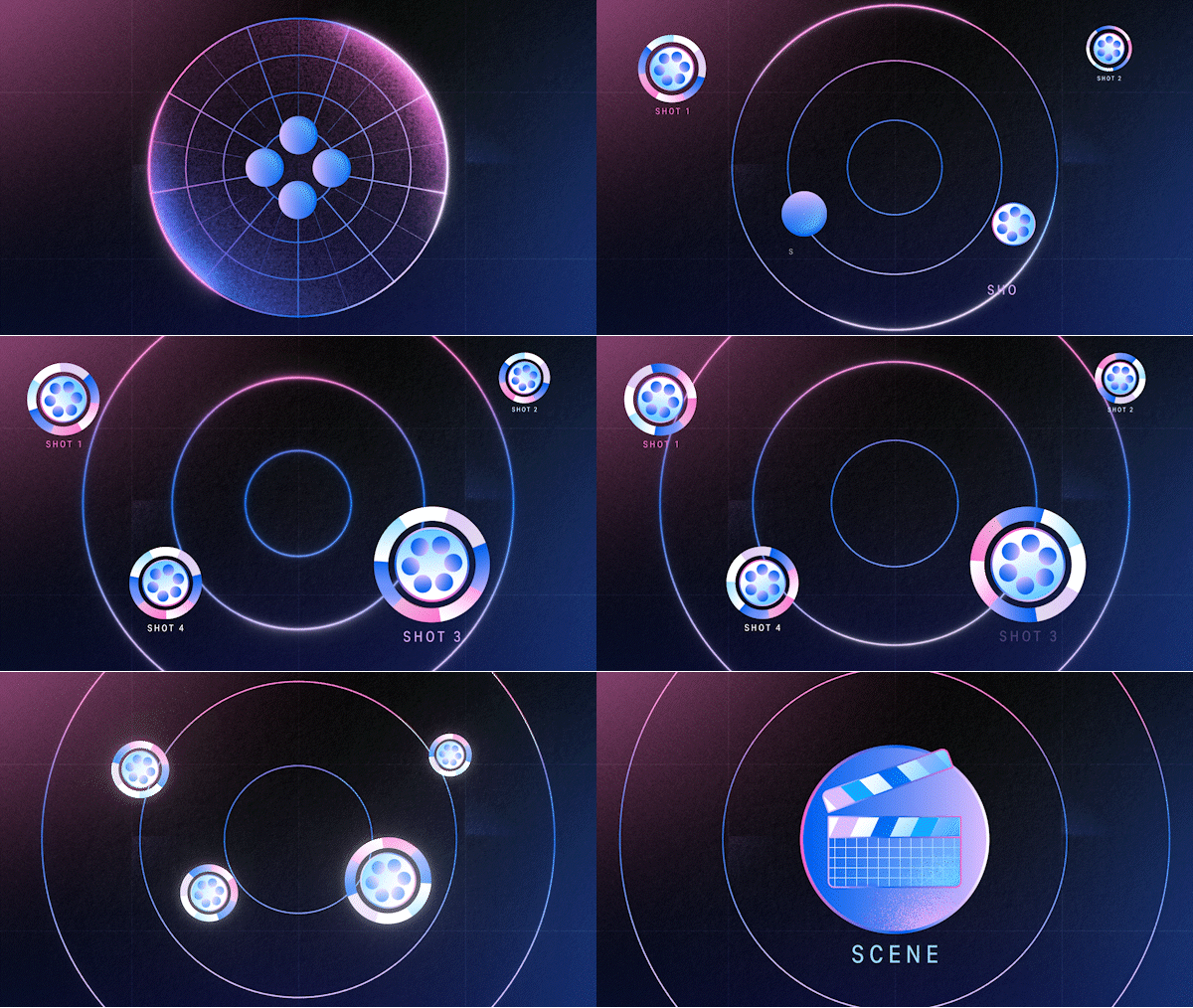
When watching a movie or an episode of a TV show, we experience a cohesive narrative that unfolds before us, often without giving much thought to the underlying structure that makes it all possible. However, movies and episodes are not atomic units, but rather composed of smaller elements such as frames, shots, scenes, sequences, and acts. Understanding these elements and how they relate to each other is crucial for tasks such as video summarization and highlights detection, content-based
Migrating Netflix to GraphQL Safely
By Jennifer Shin , Tejas Shikhare , Will Emmanuel
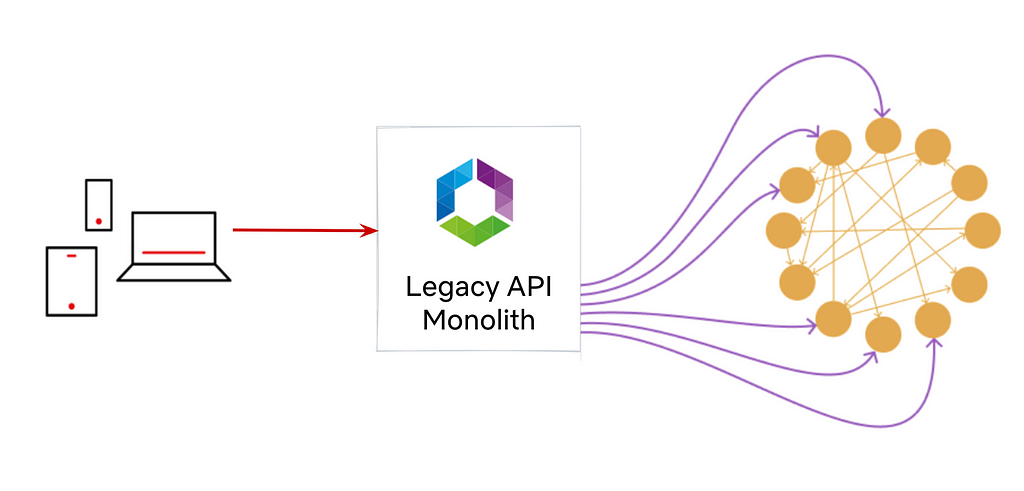
In 2022, a major change was made to Netflix’s iOS and Android applications. We migrated Netflix’s mobile apps to GraphQL with zero downtime, which involved a total overhaul from the client to the API layer.
Until recently, an internal API framework, Falcor , powered our mobile apps. They are now backed by Federated GraphQL , a distributed approach to APIs where domain teams can independently manage and own specific sections of the API.
Doing this safely
Migrating Critical Traffic At Scale with No Downtime — Part 2
Migrating Critical Traffic At Scale with No Downtime — Part 2
Shyam Gala , Javier Fernandez-Ivern , Anup Rokkam Pratap , Devang Shah
Picture yourself enthralled by the latest episode of your beloved Netflix series, delighting in an uninterrupted, high-definition streaming experience. Behind these perfect moments of entertainment is a complex mechanism, with numerous gears and cogs working in harmony. But what happens when this machinery needs a transformation? This is where large-scale system migrations come into play. Our previous blog post presented replay traffic testing —
Escrow Buddy: An open-source tool from Netflix for remediation of missing FileVault keys in MDM
Netflix has open-sourced Escrow Buddy, which helps Security and IT teams ensure they have valid FileVault recovery keys for all their Macs in MDM.
To be a client systems engineer is to take joy in small endpoint automations that make your fellow employees’ day a little better. When somebody is unable to log into their FileVault-encrypted Mac, few words are more joyful to hear than a support technician saying, “I’ve got your back. Let’s look up the recovery key.”
Securely and centrally
Native Frame Rate Playback
by Akshay Garg , Roger Quero
Introduction
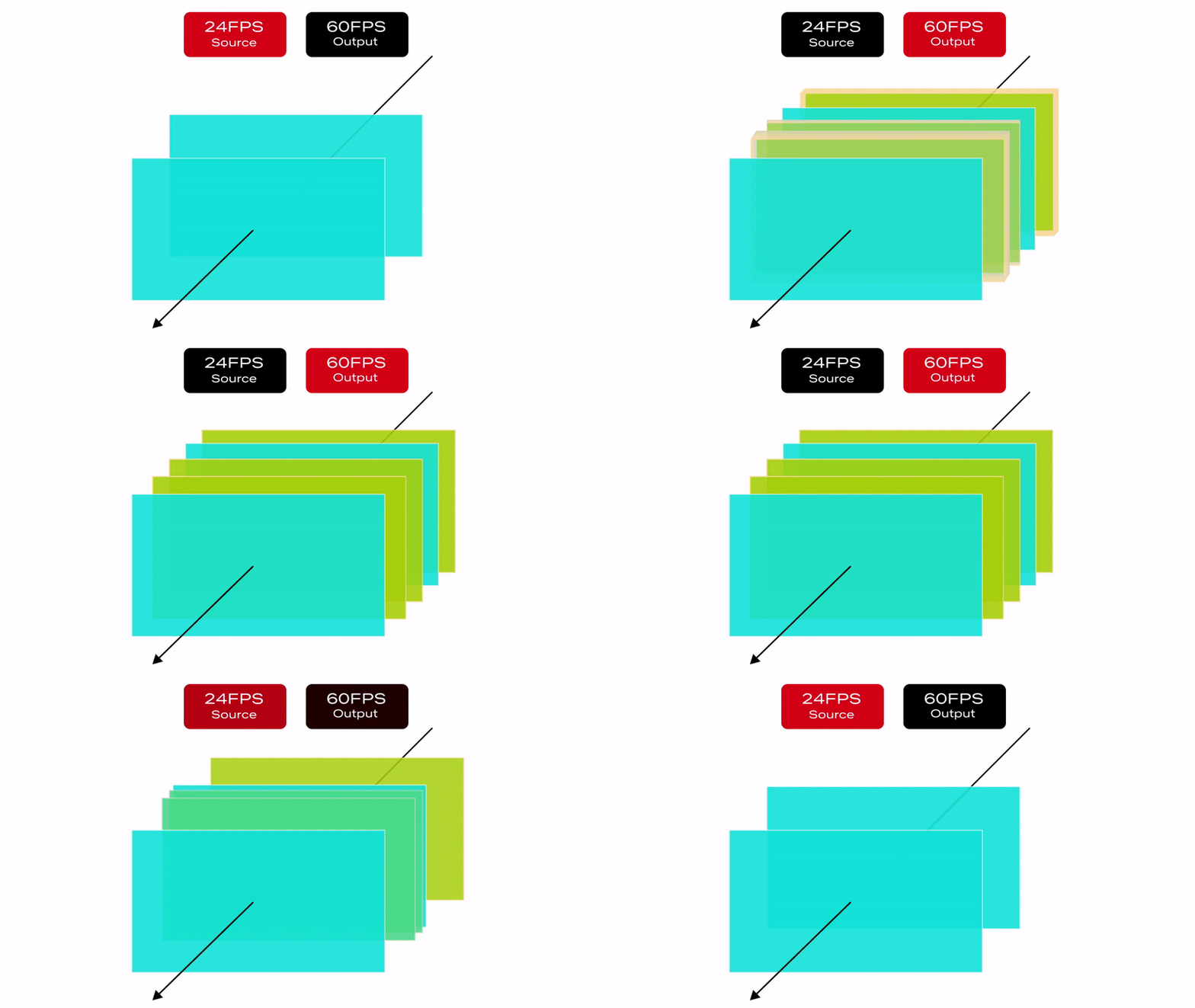
Maximizing immersion for our members is an important goal for the Netflix product and engineering teams to keep our members entertained and fully engaged in our content. Leveraging a good mix of mature and cutting-edge client device technologies to deliver a smooth playback experience with glitch-free in-app transitions is an important step towards achieving this goal. In this article we explain our journey towards productizing a better viewing experience for our members by utilizing features and capabilities in consumer streaming devices.
If you have
Ensuring the Successful Launch of Ads on Netflix
By Jose Fernandez , Ed Barker , Hank Jacobs
Introduction
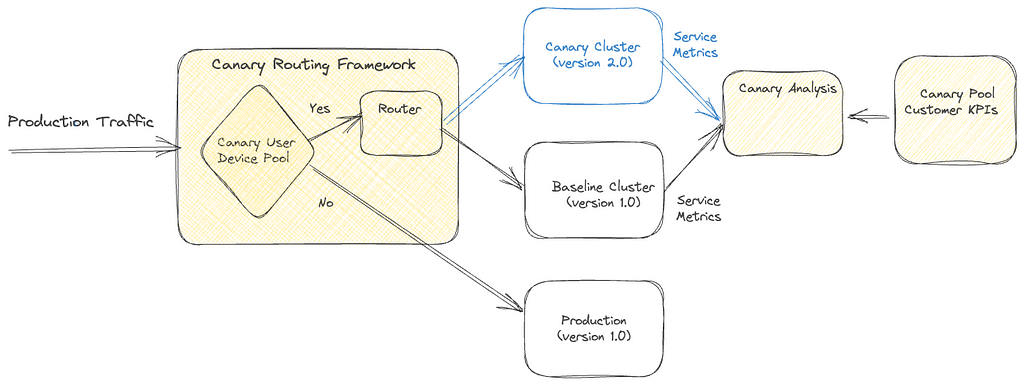
In November 2022, we introduced a brand new tier — Basic with ads . This tier extended existing infrastructure by adding new backend components and a new remote call to our ads partner on the playback path. As we were gearing up for launch, we wanted to ensure it would go as smoothly as possible. To do this, we devised a novel way to simulate the projected traffic weeks ahead of launch by building upon the traffic migration framework described here .
Debugging a FUSE deadlock in the Linux kernel
The Compute team at Netflix is charged with managing all AWS and containerized workloads at Netflix, including autoscaling, deployment of containers, issue remediation, etc. As part of this team, I work on fixing strange things that users report.
This particular issue involved a custom internal FUSE filesystem : ndrive . It had been festering for some time, but needed someone to sit down and look at it in anger. This blog post describes how I poked at /procto get a sense of what was going on, before
ABAC on SpiceDB: Enabling Netflix’s Complex Identity Types
By Chris Wolfe , Joey Schorr , and Victor Roldán Betancort
Introduction
The authorization team at Netflix recently sponsored work to add Attribute Based Access Control (ABAC) support to AuthZed’s open source Google Zanzibar inspired authorization system, SpiceDB . Netflix required attribute support in SpiceDB to support core Netflix application identity constructs. This post discusses why Netflix wanted ABAC support in SpiceDB, how Netflix collaborated with AuthZed, the end result– SpiceDB Caveats , and how Netflix may leverage this new feature.
Netflix is always looking for security,