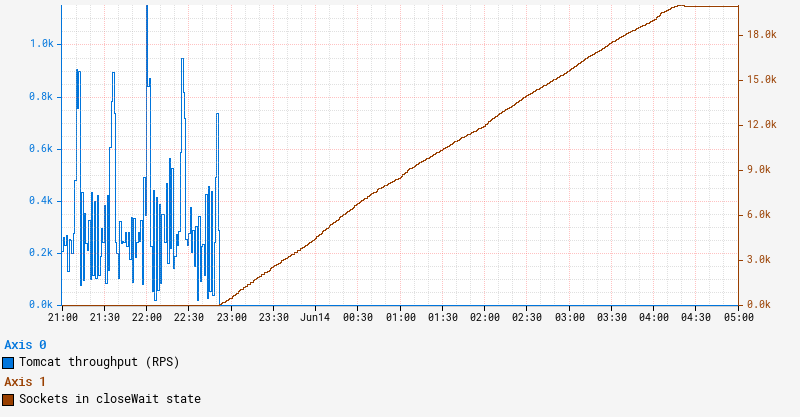
Java 21 Virtual Threads - Dude, Where’s My Lock?
Getting real with virtual threads
By Vadim Filanovsky , Mike Huang , Danny Thomas and Martin Chalupa
Intro
Netflix has an extensive history of using Java as our primary programming language across our vast fleet of microservices. As we pick up newer versions of Java, our JVM Ecosystem team seeks out new language features that can improve the ergonomics and performance of our systems. In a recent article , we detailed how our workloads benefited from switching to generational ZGC as our default garbage collector when we migrated to Java 21. Virtual threads is another
Maestro: Netflix’s Workflow Orchestrator
By Jun He , Natallia Dzenisenka , Praneeth Yenugutala , Yingyi Zhang , and Anjali Norwood
TL;DR
We are thrilled to announce that the Maestro source code is now open to the public! Please visit the Maestro GitHub repository to get started. If you find it useful, please give us a star .
What is Maestro
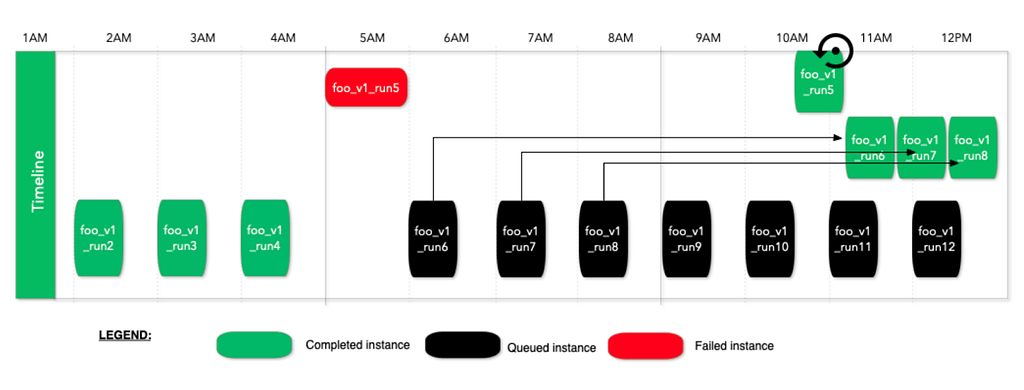
Maestro is a general-purpose, horizontally scalable workflow orchestrator designed to manage large-scale workflows such as data pipelines and machine learning model training pipelines. It oversees the entire lifecycle of a workflow, from
Enhancing Netflix Reliability with Service-Level Prioritized Load Shedding
Applying Quality of Service techniques at the application level
Anirudh Mendiratta , Kevin Wang , Joey Lynch , Javier Fernandez-Ivern , Benjamin Fedorka
Introduction
In November 2020, we introduced the concept of prioritized load shedding at the API gateway level in our blog post, Keeping Netflix Reliable Using Prioritized Load Shedding . Today, we’re excited to dive deeper into how we’ve extended this strategy to the individual service level, focusing on the video streaming control plane and data plane, to further enhance user experience and system

A Recap of the Data Engineering Open Forum at Netflix
A summary of sessions at the first Data Engineering Open Forum at Netflix on April 18th, 2024
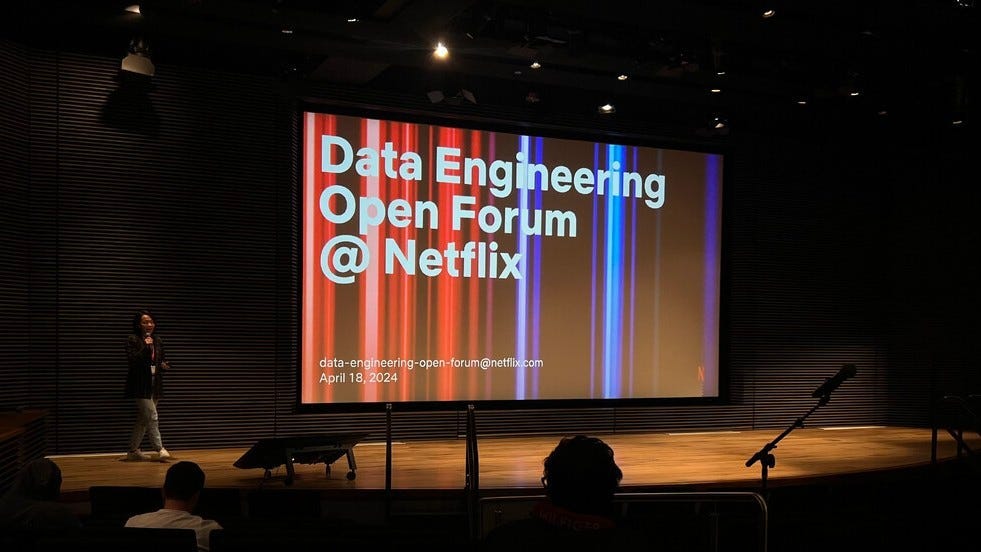
At Netflix, we aspire to entertain the world, and our data engineering teams play a crucial role in this mission by enabling data-driven decision-making at scale. Netflix is not the only place where data engineers are solving challenging problems with creative solutions. On April 18th, 202
Video annotator: building video classifiers using vision-language models and active learning
Video annotator: a framework for efficiently building video classifiers using vision-language models and active learning
Amir Ziai , Aneesh Vartakavi , Kelli Griggs , Eugene Lok , Yvonne Jukes , Alex Alonso , Vi Iyengar , Anna Pulido
Introduction
Problem
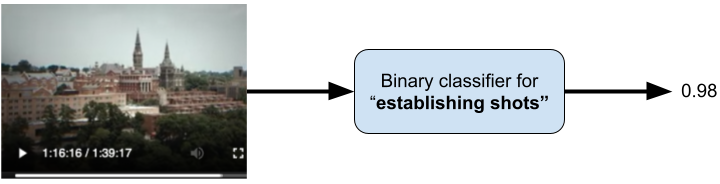
High-quality and consistent annotations are fundamental to the successful development of robust machine learning models. Conventional techniques for training machine learning classifiers are resource intensive . They involve a cycle where domain experts annotate a dataset, which is then transferred to data scientists to train models, review outcomes, and make changes
Round 2: A Survey of Causal Inference Applications at Netflix
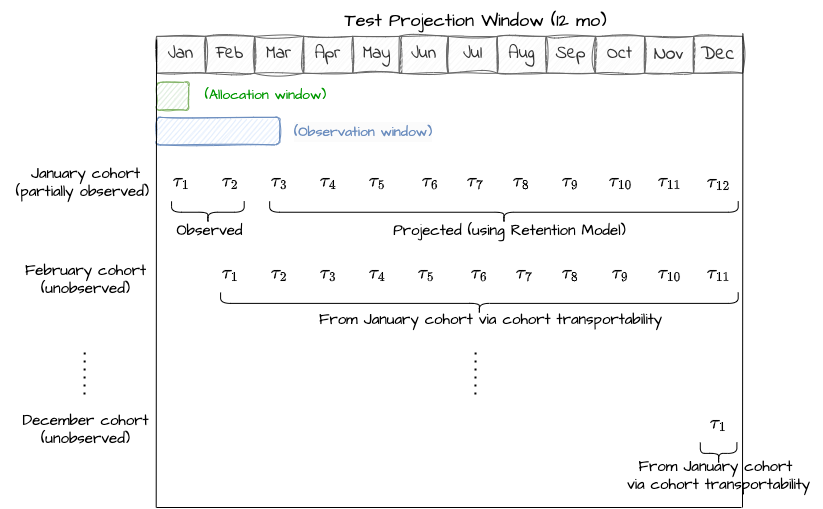
At Netflix, we want to ensure that every current and future member finds content that thrills them today and excites them to come back for more. Causal inference is an essential part of the value that Data Science and Engineering adds towards this mission. We rely heavily on both experimentation and quasi-experimentation to help our teams make the best decisions for growing member joy.
Building off of our last successful Causal Inference and Experimentation Summit , we held another week-long internal conference this year to learn from our stunning colleagues. We
The Making of VES: the Cosmos Microservice for Netflix Video Encoding
Liwei Guo , Vinicius Carvalho , Anush Moorthy , Aditya Mavlankar , Lishan Zhu
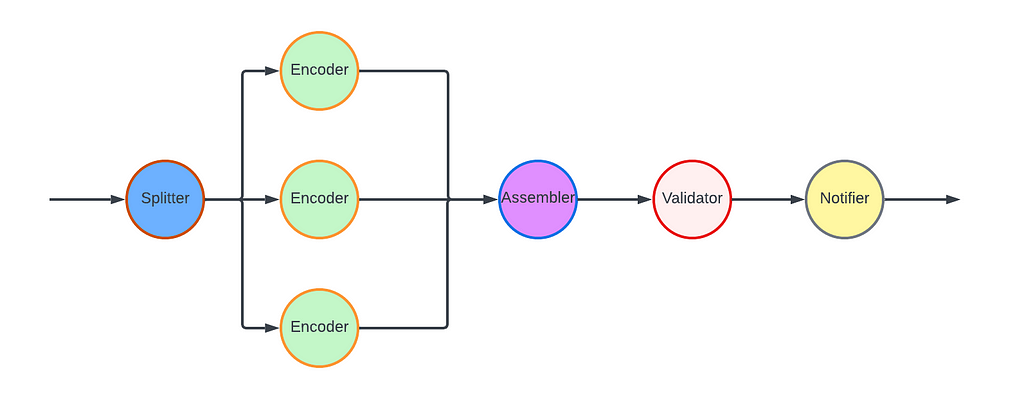
This is the second post in a multi-part series from Netflix. See here for Part 1 which provides an overview of our efforts in rebuilding the Netflix video processing pipeline with microservices. This blog dives into the details of building our Video Encoding Service (VES), and shares our learnings.
Cosmos is the next generation media computing platform at Netflix. Combining microservice architecture with asynchronous workflows and serverless functions, Cosmos aims to modernize Netflix’s media
Reverse Searching Netflix’s Federated Graph
By Ricky Gardiner , Alex Hutter , and Katie Lefevre
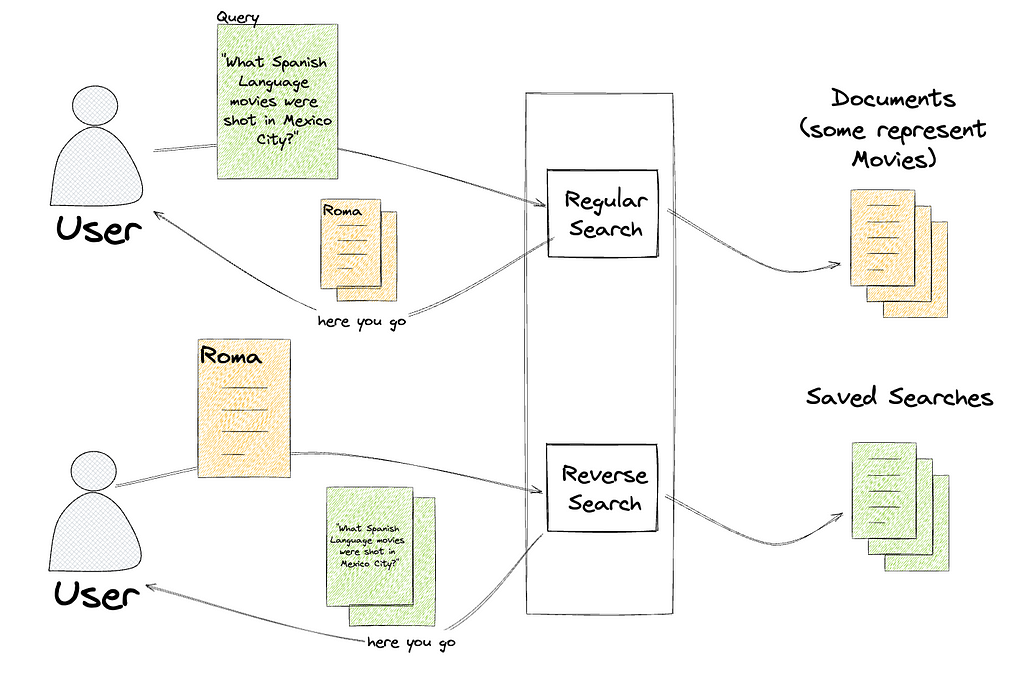
Since our previous posts regarding Content Engineering’s role in enabling search functionality within Netflix’s federated graph ( the first post , where we identify the issue and elaborate on the indexing architecture, and the second post , where we detail how we facilitate querying) there have been significant developments. We’ve opened up Studio Search beyond Content Engineering to the entirety of the Engineering organization at Netflix and renamed it Graph Search. There are over 100 applications integrated with
Sequential Testing Keeps the World Streaming Netflix Part 2: Counting Processes
Michael Lindon , Chris Sanden , Vache Shirikian , Yanjun Liu , Minal Mishra , Martin Tingley

Have you ever encountered a bug while streaming Netflix? Did your title stop unexpectedly, or not start at all? In the first installment of this blog series on sequential testing, we described our canary testing methodology for continuous metrics such as play-delay . One of our readers commented
What if the new release is not related to a new play/streaming feature? For example, what if the new release includes modified login functionality?
Supporting Diverse ML Systems at Netflix
David J. Berg , Romain Cledat , Kayla Seeley , Shashank Srikanth , Chaoying Wang , Darin Yu
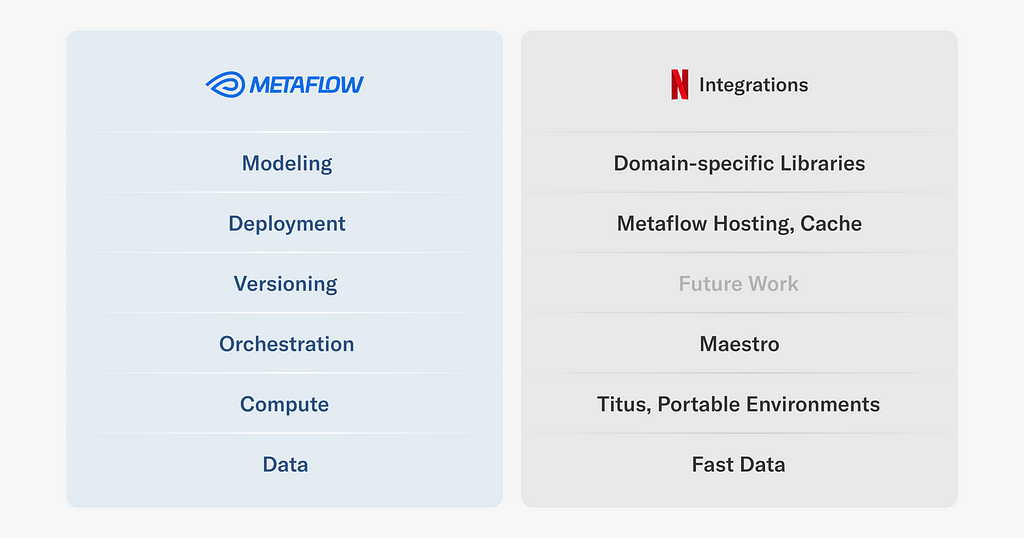
Netflix uses data science and machine learning across all facets of the company, powering a wide range of business applications from our internal infrastructure and content demand modeling to media understanding . The Machine Learning Platform (MLP) team at Netflix provides an entire ecosystem of tools around Metaflow , an open source machine learning infrastructure framework we started, to empower data scientists and machine learning practitioners to build and manage a variety of ML systems.