Foundation Model for Personalized Recommendation
By Ko-Jen Hsiao , Yesu Feng and Sudarshan Lamkhede
Motivation
Netflix’s personalized recommender system is a complex system, boasting a variety of specialized machine learned models each catering to distinct needs including “Continue Watching” and “Today’s Top Picks for You.” (Refer to our recent overview for more details). However, as we expanded our set of personalization algorithms to meet increasing business needs, maintenance of the recommender system became quite costly. Furthermore, it was difficult to transfer innovations from one model to

HDR10+ Now Streaming on Netflix
Roger Quero , Liwei Guo , Jeff Watts , Joseph McCormick , Agata Opalach , Anush Moorthy
We are excited to announce that we are now streaming HDR10+ content on our service for AV1-enabled devices, enhancing the viewing experience for certified HDR10+ devices, which previously only received HDR10 content. The dynamic metadata included in our HDR10+ content improves the quality and accuracy of the picture when viewed on these devices.
Delighting Members with Even Better Picture Quality
Nearly a decade ago,

Title Launch Observability at Netflix Scale
Part 3: System Strategies and Architecture
By: Varun Khaitan
With special thanks to my stunning colleagues: Mallika Rao , Esmir Mesic , Hugo Marques
This blog post is a continuation of Part 2 , where we cleared the ambiguity around title launch observability at Netflix. In this installment, we will explore the strategies, tools, and methodologies that were employed to achieve comprehensive title observability at scale.
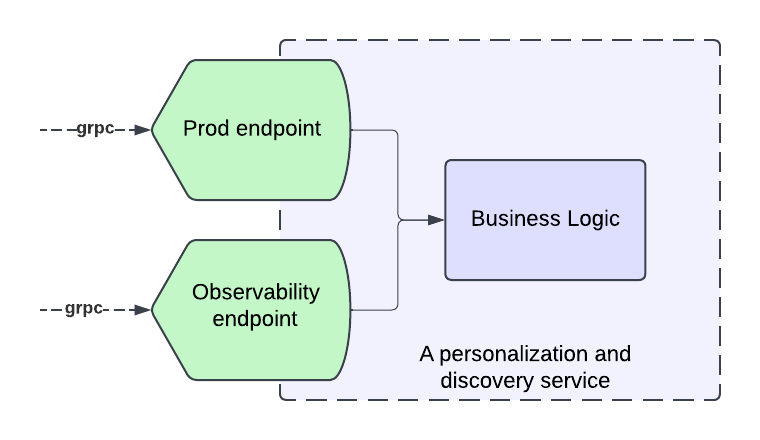
Defining the observability endpoint
To create a comprehensive solution, we decided to introduce observability endpoints first. Each microservice involved in our Personalization stack that
Introducing Impressions at Netflix
Part 1: Creating the Source of Truth for Impressions
By: Tulika Bhatt
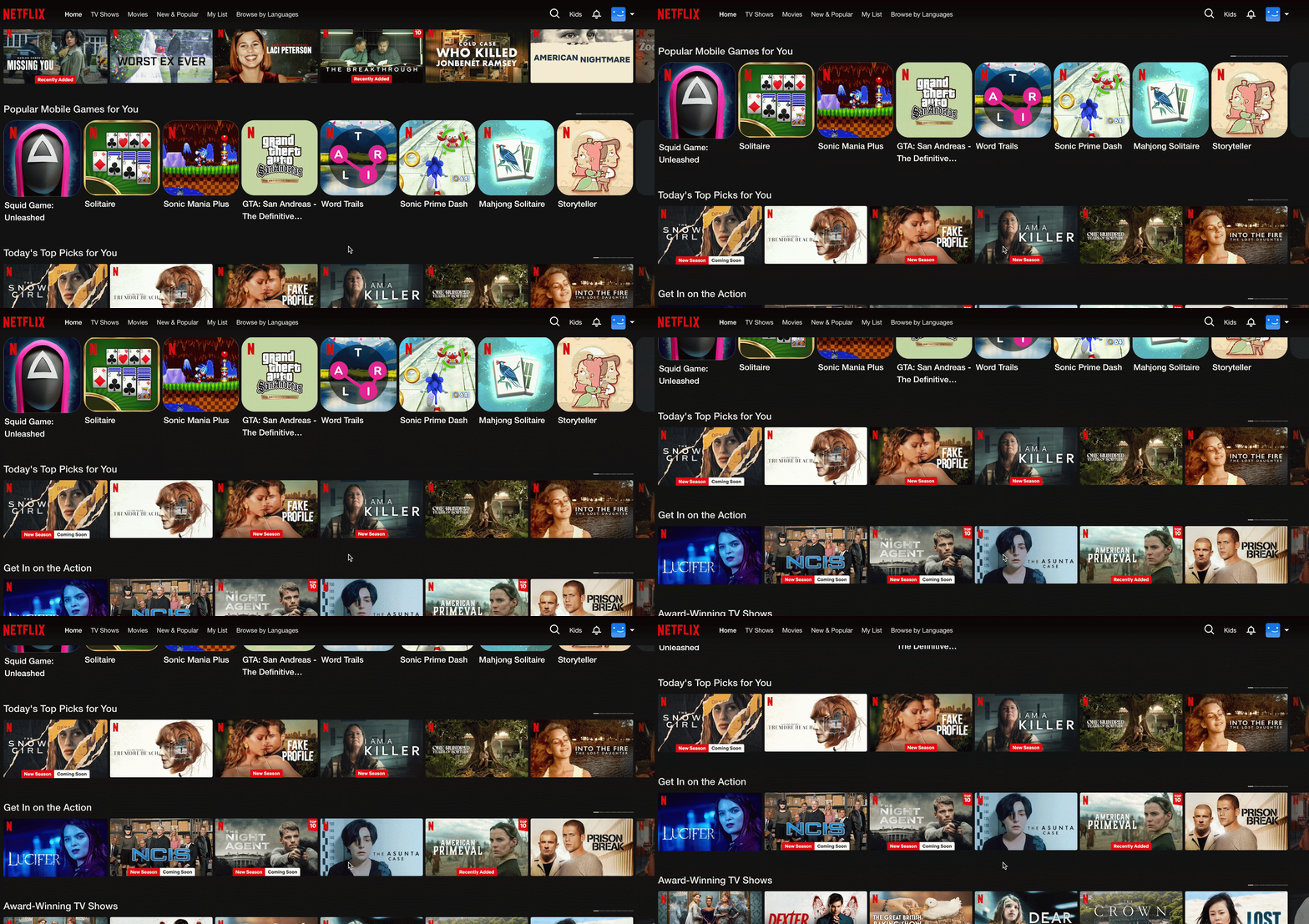
Imagine scrolling through Netflix, where each movie poster or promotional banner competes for your attention. Every image you hover over isn’t just a visual placeholder; it’s a critical data point that fuels our sophisticated personalization engine. At Netflix, we call these images ‘impressions,’ and they play a pivotal role in transforming your interaction from simple browsing into an immersive binge-watching experience, all tailored to your unique tastes.
Capturing these moments
Title Launch Observability at Netflix Scale
Part 2: Navigating Ambiguity
By: Varun Khaitan
With special thanks to my stunning colleagues: Mallika Rao , Esmir Mesic , Hugo Marques
Building on the foundation laid in Part 1 , where we explored the “what” behind the challenges of title launch observability at Netflix, this post shifts focus to the “how.” How do we ensure every title launches seamlessly and remains discoverable by the right audience?
In the dynamic world of technology, it’s tempting to leap into problem-solving mode. But the key to
Part 3: A Survey of Analytics Engineering Work at Netflix
This article is the last in a multi-part series sharing a breadth of Analytics Engineering work at Netflix, recently presented as part of our annual internal Analytics Engineering conference. Need to catch up? Check out Part 1 , which detailed how we’re empowering Netflix to efficiently produce and effectively deliver high quality, actionable analytic insights across the company and Part 2 , which stepped through a few exciting business applications for Analytics Engineering. This post will go into aspects of technical craft.
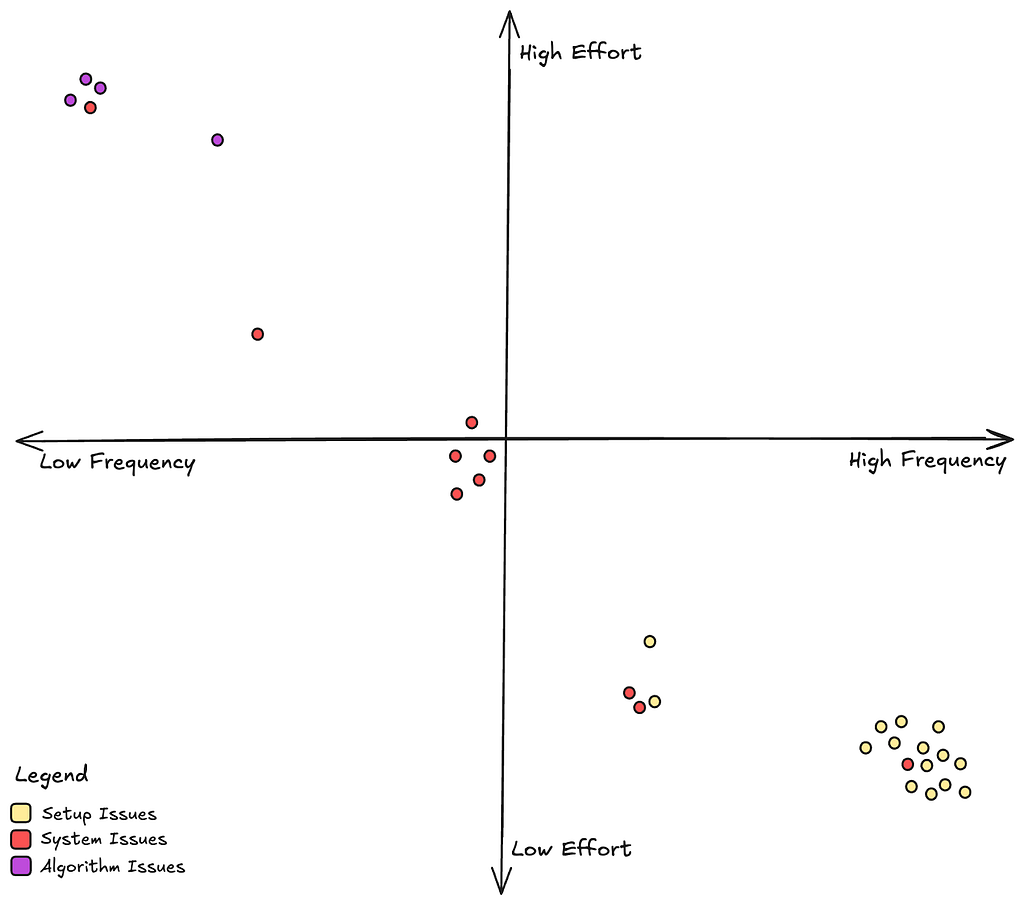
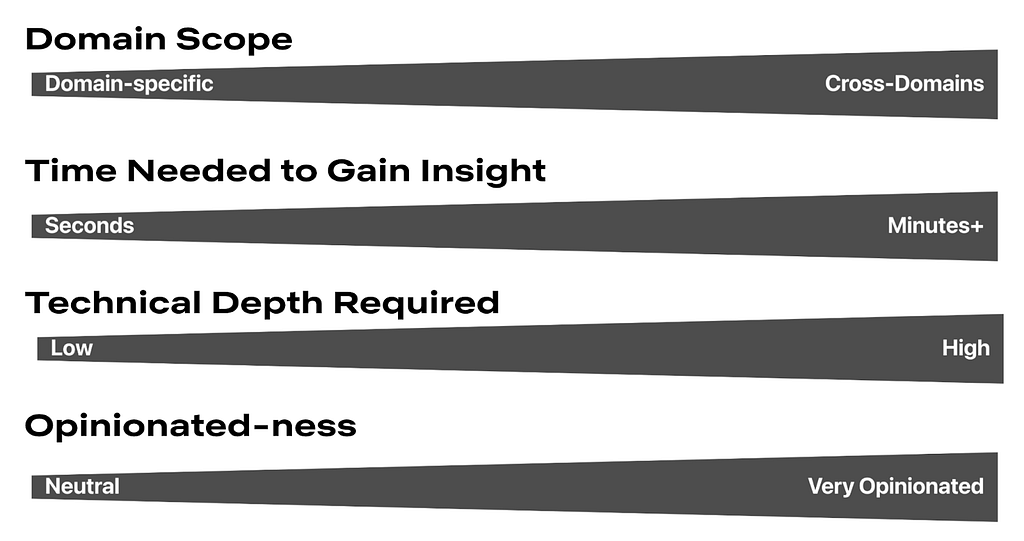
Dashboard Design Tips
Part 2: A Survey of Analytics Engineering Work at Netflix
This article is the second in a multi-part series sharing a breadth of Analytics Engineering work at Netflix, recently presented as part of our annual internal Analytics Engineering conference. Need to catch up? Check out Part 1 . In this article, we highlight a few exciting analytic business applications, and in our final article we’ll go into aspects of the technical craft.
Game Analytics
Yimeng Tang , Claire Willeck , Sagar Palao
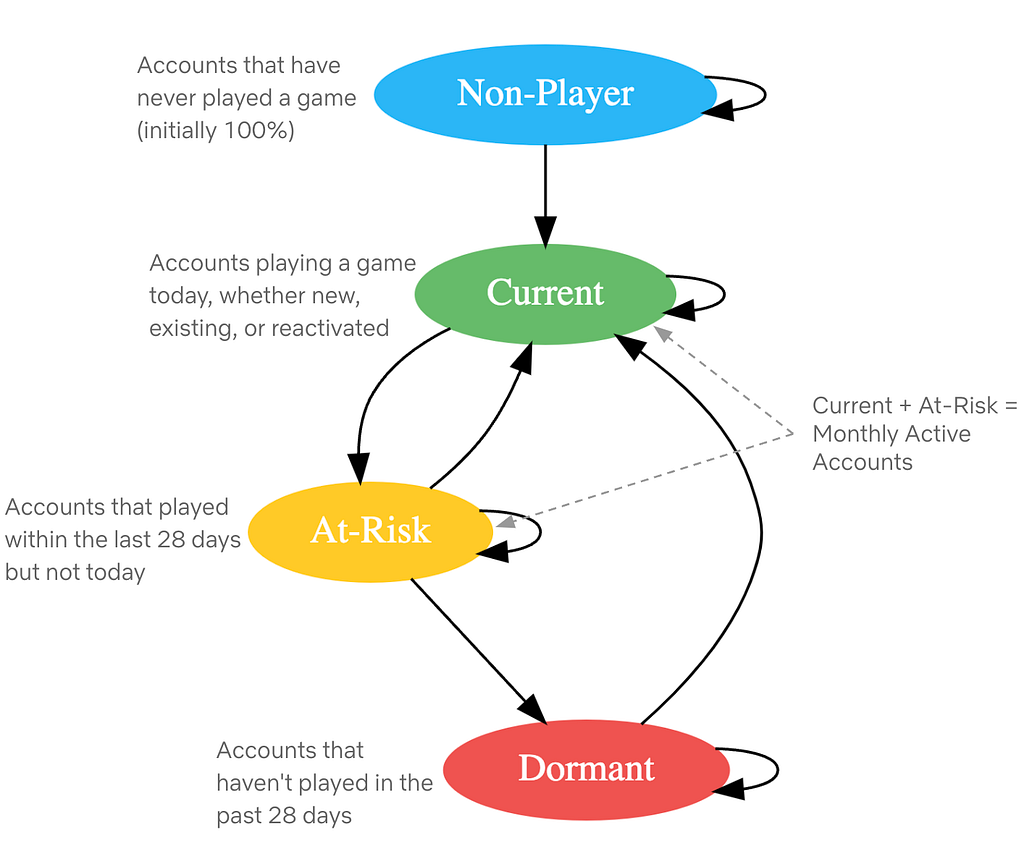
User Acquisition Incrementality for Netflix Games
Netflix has been launching games for the past three years, during
Introducing Configurable Metaflow
David J. Berg * , David Casler ^, Romain Cledat * , Qian Huang * , Rui Lin * , Nissan Pow * , Nurcan Sonmez * , Shashank Srikanth * , Chaoying Wang * , Regina Wang * , Darin Yu *
*: Model Development Team, Machine Learning Platform
^: Content Demand Modeling Team
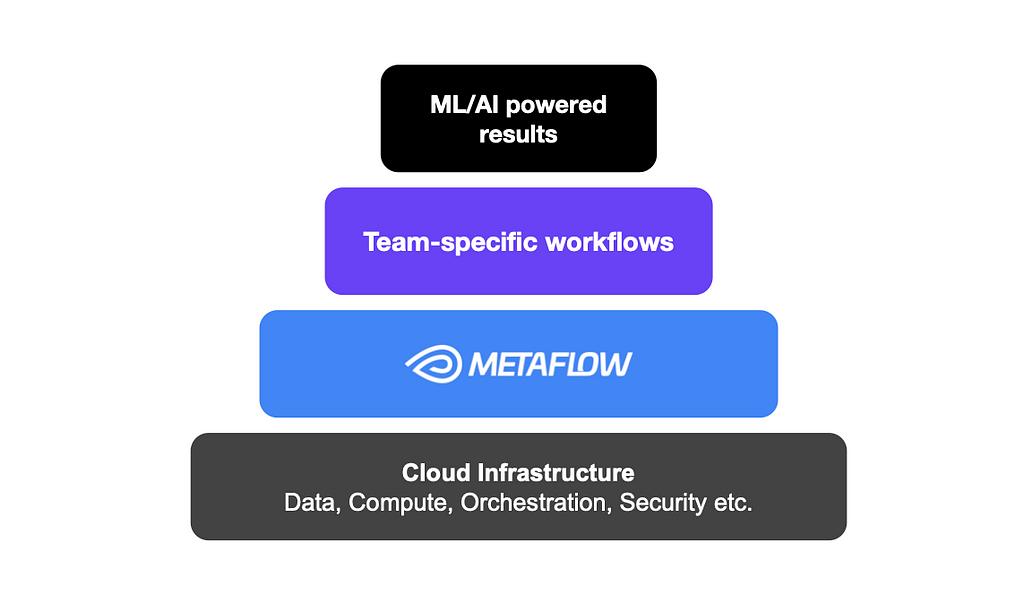
A month ago at QConSF, we showcased how Netflix utilizes Metaflow to power a diverse set of ML and AI use cases , managing thousands of unique Metaflow flows. This followed a previous blog on the same topic
Part 1: A Survey of Analytics Engineering Work at Netflix
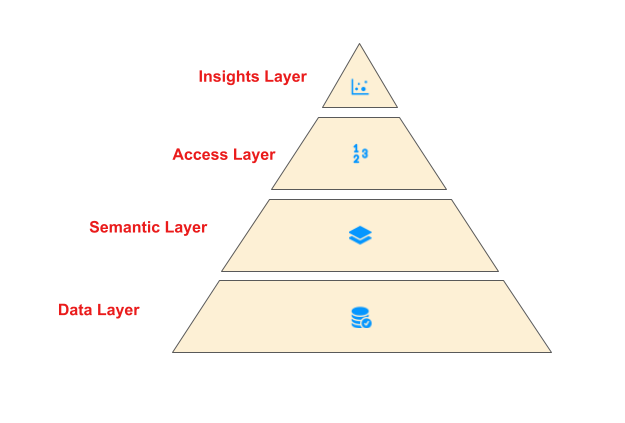
This article is the first in a multi-part series sharing a breadth of Analytics Engineering work at Netflix, recently presented as part of our annual internal Analytics Engineering conference. We kick off with a few topics focused on how we’re empowering Netflix to efficiently produce and effectively deliver high quality, actionable analytic insights across the company. Subsequent posts will detail examples of exciting analytic engineering domain applications and aspects of the technical craft.
At Netflix, we seek to entertain the world by ensuring our members find the shows and movies
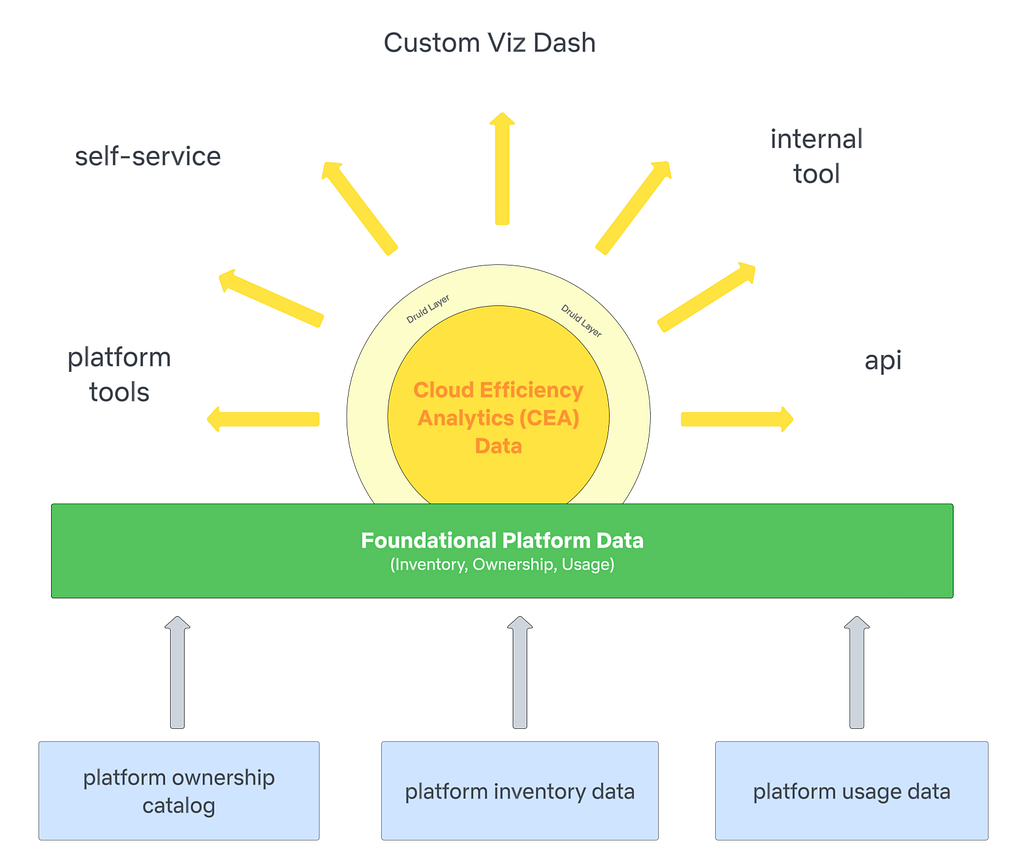
Cloud Efficiency at Netflix
By J Han , Pallavi Phadnis
Context
At Netflix, we use Amazon Web Services (AWS) for our cloud infrastructure needs, such as compute, storage, and networking to build and run the streaming platform that we love. Our ecosystem enables engineering teams to run applications and services at scale, utilizing a mix of open-source and proprietary solutions. In turn, our self-serve platforms allow teams to create and deploy, sometimes custom, workloads more efficiently. This diverse technological landscape generates extensive and rich data from various