A Day in the Life of an Experimentation and Causal Inference Scientist @ Netflix
Stephanie Lane , Wenjing Zheng , Mihir Tendulkar
Within the rapid expansion of data-related roles in the last decade, the title Data Scientist has emerged as an umbrella term for myriad skills and areas of business focus. What does this title mean within a given company, or even within a given industry? It can be hard to know from the outside. At Netflix, our data scientists span many areas of technical specialization, including experimentation, causal inference, machine learning, NLP, modeling, and optimization
The Netflix Cosmos Platform
Orchestrated Functions as a Microservice
by Frank San Miguel on behalf of the Cosmos team
Introduction
Cosmos is a computing platform that combines the best aspects of microservices with asynchronous workflows and serverless functions. Its sweet spot is applications that involve resource-intensive algorithms coordinated via complex, hierarchical workflows that last anywhere from minutes to years. It supports both high throughput services that consume hundreds of thousands of CPUs at a time, and latency-sensitive workloads where humans are waiting for the results of a computation.
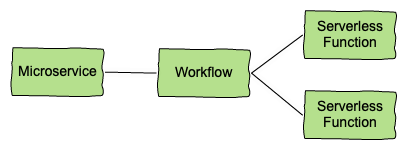
This article will explain
Packaging award-winning shows with award-winning technology
Introduction
In previous blog posts, our colleagues at Netflix have explained how 4K video streams are optimized , how even legacy video streams are improved and more recently how new audio codecs can provide better aural experiences to our members . In all these cases, prior to being delivered through our content delivery network Open Connect , our award-winning TV shows, movies and documentaries like The Crown need to be packaged to enable crucial features for our members. In this post, we explain these features and how we rely

Beyond REST
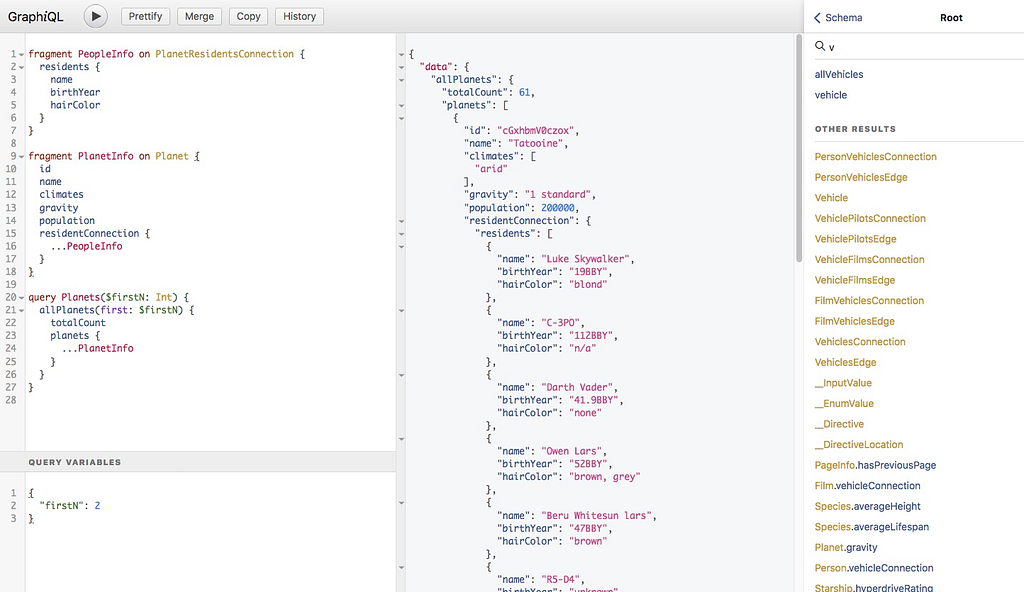
Rapid Development with GraphQL Microservices
by Dane Avilla
The entertainment industry has struggled with COVID-19 restrictions impacting productions around the globe. Since early 2020, Netflix has been iteratively developing systems to provide internal stakeholders and business leaders with up-to-date tools and dashboards with the latest information on the pandemic. These software solutions allow executive leadership to make the most informed decisions possible regarding if and when a given physical production can safely begin creating compelling content across the world. One approach that is gaining mind-
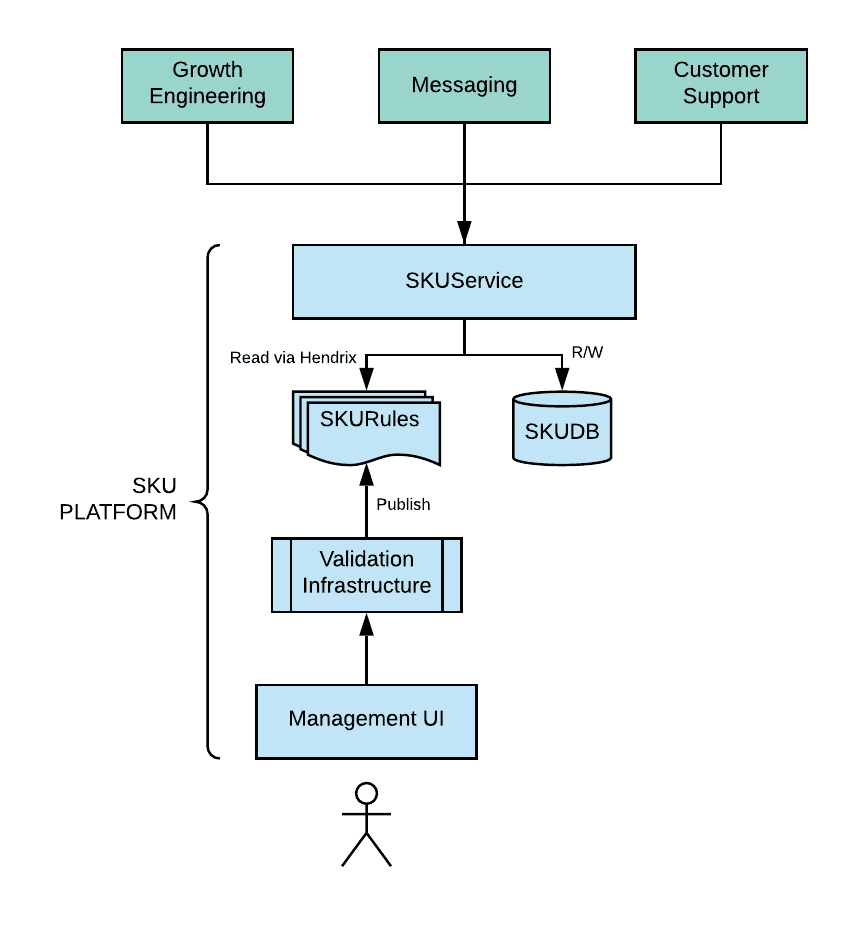
Building a Rule-Based Platform to Manage Netflix Membership SKUs at Scale
By Budhaditya Das , Wallace Wang , and Scott Yao
At Netflix, we aspire to entertain the world. From mailing DVDs in the US to a global streaming service with over 200 million subscribers across 190 countries, we have come a long way. For the longest time, Netflix had three plans (basic/standard/premium) with a single 30-day free trial offer at signup. As we expand offerings rapidly across the globe, our ideas and strategies around plans and offers are evolving as
Hawkins: Diving into the Reasoning Behind our Design System

by Hawkins team member Joshua Godi ; with art contributions by Wiki Chaves
Hawkins may be the name of a fictional town in Indiana, most widely known as the backdrop for one of Netflix’s most popular TV series “Stranger Things,” but the name is so much more. Hawkins is the namesake that established the basis for a design system used across the Netflix Studio ecosystem.
Have you ever used a suite of applications that had an inconsistent user experience? It
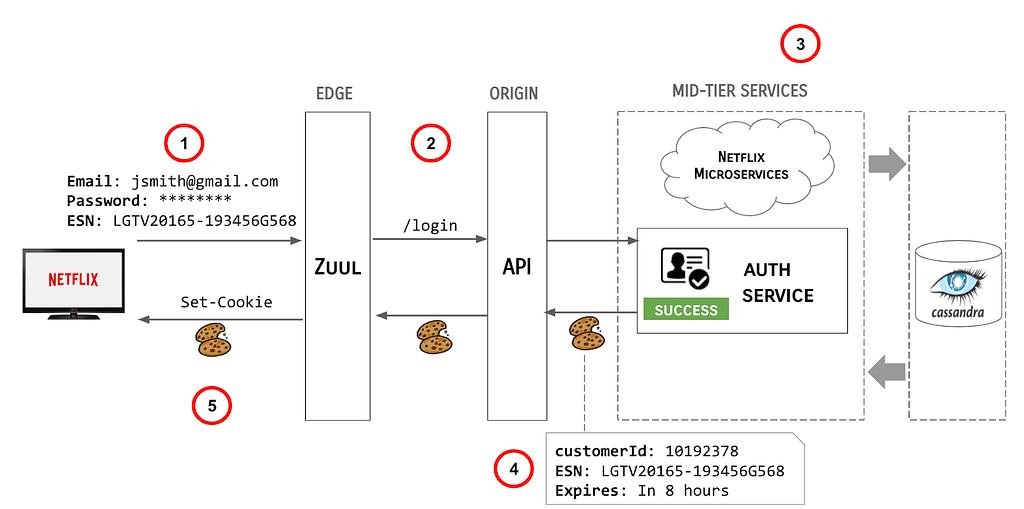
Edge Authentication and Token-Agnostic Identity Propagation
by AIM Team Members Karen Casella , Travis Nelson , Sunny Singh ; with prior art and contributions by Justin Ryan , Satyajit Thadeshwar
As most developers can attest, dealing with security protocols and identity tokens, as well as user and device authentication, can be challenging. Imagine having multiple protocols, multiple tokens, 200M+ users, and thousands of device types, and the problem can explode in scope. A few years ago, we decided to address this complexity by spinning up a new initiative, and eventually a
Growth Engineering at Netflix- Creating a Scalable Offers Platform
Background
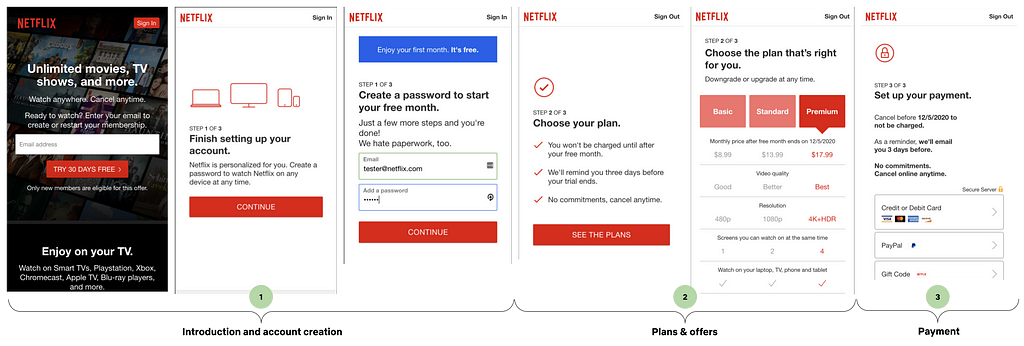
Netflix has been offering streaming video-on-demand (SVOD) for over 10 years. Throughout that time we’ve primarily relied on 3 plans (Basic, Standard, & Premium), combined with the 30-day free trial to drive global customer acquisition. The world has changed a lot in this time. Competition for people’s leisure time has increased, the device ecosystem has grown phenomenally, and consumers want to watch premium content whenever they want, wherever they are,
Open Sourcing the Netflix Domain Graph Service Framework: GraphQL for Spring Boot
By Paul Bakker and Kavitha Srinivasan , Images by David Simmer , Edited by Greg Burrell
Netflix has developed a Domain Graph Service (DGS) framework and it is now open source. The DGS framework simplifies the implementation of GraphQL, both for standalone and federated GraphQL services. Our framework is battle-hardened by our use at scale.
By open-sourcing the project, we hope to contribute to the Java and GraphQL communities and learn from and collaborate with everyone who will be using the framework to make it even better in the
Growth Engineering at Netflix — Automated Imagery Generation
Growth Engineering at Netflix — Automated Imagery Generation
Background
There’s a good chance you’ve probably visited the Netflix homepage. In the Growth Engineering team, we refer to this as the top of the signup funnel. For more background on the signup funnel and Growth Engineering’s role in the signup funnel, please read our initial post on the topic: Growth Engineering at Netflix — Accelerating Innovation . The primary focus of this post will be the top of the signup funnel. In particular, the Netflix